
 E-Paper



Bengaluru’s groundwater crisis deepens with 100% extraction in urban and rural districts: Report
This means Bengaluru is consuming as much groundwater as it replenishes, leaving no buffer for future needs.

 Prefer HTon Google


Bengaluru's reliance on groundwater has reached a critical stage, with both Urban and Rural districts recording a staggering 100 per cent extraction rate in 2024, according to the Central Groundwater Board’s latest report.
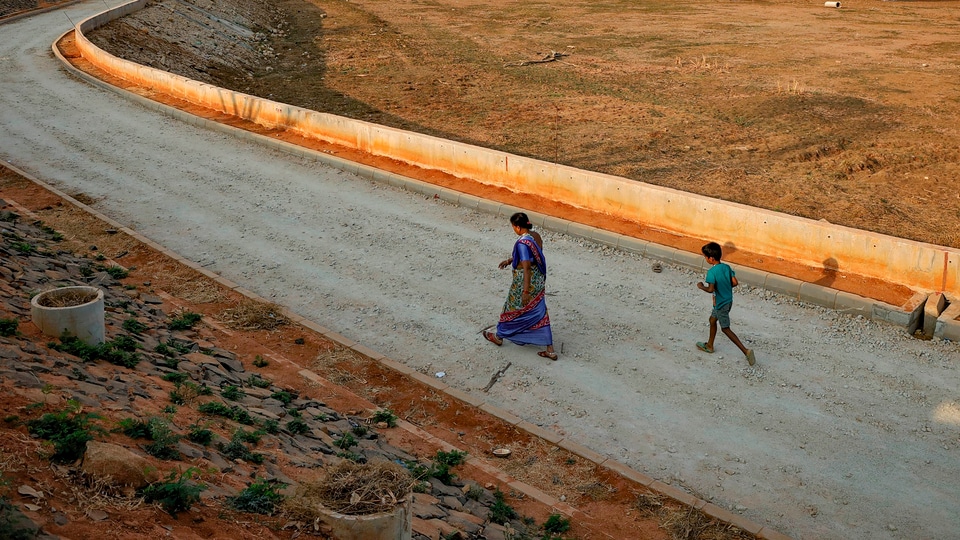
This means the city is consuming as much groundwater as it replenishes, leaving no buffer for future needs, Times of India reported.
According to the report, while Karnataka’s overall groundwater extraction stands at 68.4 per cent, keeping it within the "safe" category, experts warn that the trend is alarming. The state’s dependency on groundwater has been steadily rising, with extraction levels increasing from 66.3 per cent in 2023 to 68.4 per cent in 2024.
For over a decade, Bengaluru has been drawing nearly double the amount of groundwater it manages to replenish, making the situation unsustainable. Data from the Karnataka Groundwater Directorate confirms that the city’s reserves have been in the "over-exploited" category for several years, the report further added.
(Also Read: 8-year-old girl alleges sexual assault in school washroom, case filed against two boys in Karnataka's Mandya)
Water crisis this summer?
Bengaluru is likely to face yet another water crisis this summer, with groundwater levels in areas such as Mahadevapura and Whitefield expected to dip significantly. The Bangalore Water Supply and Sewerage Board (BWSSB) has issued a warning to residents, urging them to avoid relying on groundwater and to consider alternative water sources.
In a recent scientific study conducted to evaluate the city’s water scarcity risks, BWSSB identified 80 wards, including 110 villages, as being highly dependent on groundwater and at significant risk of severe water shortages. According to a BWSSB release, these areas face an urgent need for alternative water solutions.
Speaking to PTI, BWSSB chairman Ram Prasanth Manohar said, "We appeal to residents, particularly those living in high-risk wards, to transition from groundwater to Cauvery water connections," said Manohar, a BWSSB official. "The Cauvery Phase 5 Project has boosted water supply, providing a more sustainable option for Bengaluru’s growing population."
(Also Read: '3,000 students at risk: Bengaluru resident flags massive footpath hole near Whitefield school)
(With PTI inputs)


