
 E-Paper



Bhubaneswar hottest city in India for 4th day in a row
The city recorded a maximum day temperature of 40.6 degrees Celsius on Saturday.


For the fourth day in a row, Bhubaneswar continued to be the hottest city in India as it recorded a maximum day temperature of 40.6 degrees Celsius on Saturday. The city set a new record of the daily highest maximum temperature in February in the last 5 years.
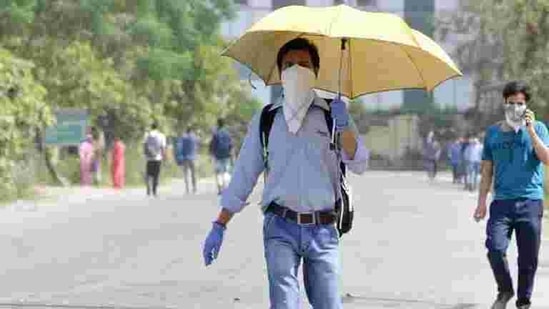
"Temperature in Bhubaneswar and few other places in Odisha is likely to rise by 5 degrees Celsius in next 2-3 days. The reason for rise in temperature is the lack of moisture in the middle and upper atmosphere and less humidity in the lower atmosphere. Solar radiation is hitting the ground more effectively. People need to take precautionary measures while going out after 11 am," said HR Biswas, regional director of Meteorological Centre, Bhubaneswar.
On Wednesday, Bhubaneswar recorded 38 degrees Celsius, the highest in India while on Thursday and Friday it recorded 39.4 and 40.4 degrees Celsius respectively, against the highest in the country.
The highest temperature of Bhubaneswar in February was recorded in 1963 when the mercury climbed to 42.7 degrees Celsius.
Also read: Fake Co-Win site surfaces as Centre is all set to open registration for vaccines
The state government has already rescheduled classes for 9-12 to morning hours from March 1 due to the rising temperature.
In 2019, a study conducted by the Climate Impact Lab in collaboration with the Tata Centre for Development at the University of Chicago predicted that the number of extremely hot days in Odisha would increase by 30 times from 1.62 in 2010 to 48.05 by 2100 if greenhouse gas emissions continue to grow at current rates till the end of the century.
The study, the first in a series of findings estimating the human and economic costs of climate change and weather shocks in India, predicted that Odisha is likely to see a 3.32°C rise in average summer temperature from 28.87°C in 2010 to 32.19°C by 2100. "It is far higher than the national average increase from about 24°C to about 28°C by the end of the century," said Amir Jina, assistant professor at the Harris Public Policy and researcher at the Climate Impact Lab.
Another study on changing trends of temperature in Bhubaneswar by Binodini Majhi and Krishna Chandra Rath in 2018 found that mean of monthly maximum temperature in Bhubaneswar between 1970 and 2015 increased at a faster rate than the average temperature and minimum temperature. The analysis found that monthly mean temperature has positively increased for all months in 45 years. The highest increase in temperature occurred in March.



