
 E-Paper



1,503 and counting: Chikungunya cases in Punjab at 7-year high
At 544, Amritsar accounts for 36% cases alone; followed by Hoshiarpur, Kapurthala and Pathankot; in just one year, the number of cases has jumped by 226% from 460 in 2022


Amid the soaring dengue cases, Punjab is also gripped by the worst outbreak of another vector-borne disease — chikungunya.
At 1,503, the state has already reported the highest number of cases since 2017, when the state formally started maintaining surveillance of the debilitating disease. In just one year, the number of cases has jumped by 226% from 460 in 2022 (see box).
Notably, chikungunya is caused by the vector-borne chikungunya virus (CHIKV) and resembles dengue in many aspects.
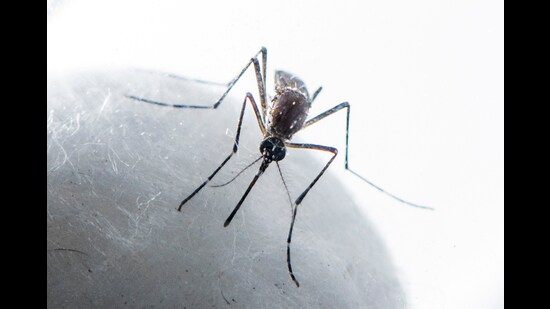
CHIKV is transmitted by mosquitoes, most commonly Aedes aegypti and Aedes albopictus, which also cause dengue and zika. These mosquitoes bite primarily during daylight hours.
The border district of Amritsar is the worst affected, with 544 (36%) cases alone. It is followed by Hoshiarpur, Kapurthala and Pathankot.
Patiala district epidemiologist Dr Sumeet Singh said both dengue and chikungunya had similar symptoms, but immense joint pain and inflammation, rashes and absence of respiratory symptoms can help to distinguish chikungunya from other illnesses.
Officials of the Punjab health department told HT that as the spike in chikungunya cases was spread across the north region, there was high possibility of virus transmission from other states. Apart from this, the floods in July and August had already increased the potential spread of the disease.
The fever usually lasts for two to three days, but the virus remains in the body for up to a week. Thus, mosquitoes biting a sick person during this period can spread disease to others around them.
“This year, we have tested 5,026 samples for chikungunya against 1,087 samples last year. Therefore, we have better surveillance now,” said a senior health official.


