
 E-Paper



4 lakh migratory birds to arrive at Kashmir’s Wular Lake, 7 new species sighted
In past 12 months, the clean waters of the lake has even attracted some rare species, such as Falcated Duck, Horned Grebe, Western Reef Heron, Smew Duck, Long-tailed Duck, Pacific Golden Polover and the Broad-billed Sandpiper


The Wular Lake, spread over Baramulla and Bandipora districts in north Kashmir, has got around four to five lakh migratory birds so far this winter, including seven new species.
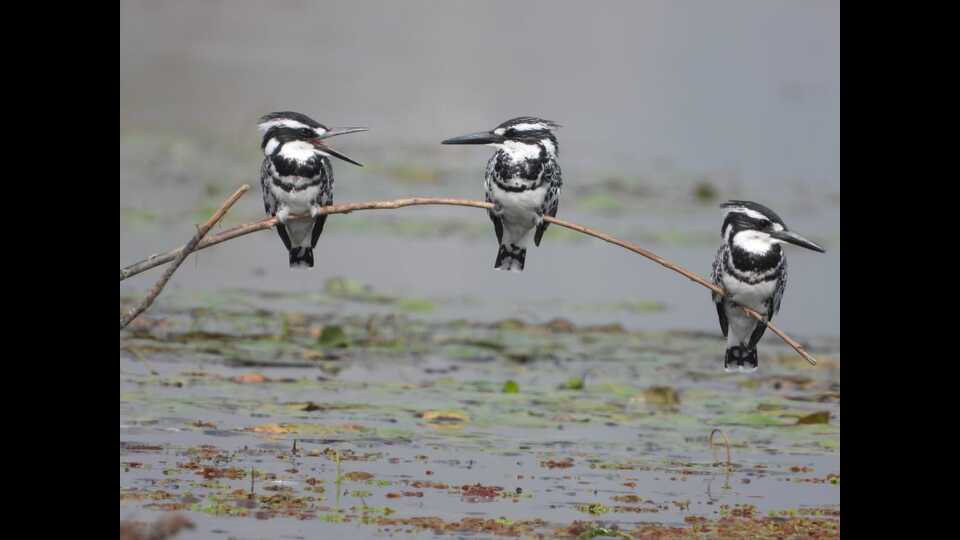
Currently, thousands of avian visitors can be seen on the placid water of the Lake.
“This time, the lake is full with migratory birds and with every passing day, more and more flocks of avian visitors are arriving from various countries and neighbouring wetlands” said Irfan Rasool, coordinator, Wular Conservation and Management Authority (WUCMA).
Showkat Maqbool, who is associated with the WUCMA, said that lake is attracting thousands of migratory birds due to three reasons.
“This lake is much cleaner and full of water. A dry spell has reduced the areas of the other water bodies across the Valley, especially in neighbouring areas like Hygam, Hokersar and Shallbough. The birds have this come to Wular. Poaching of migratory birds has also come down due to strong vigilance around the lake. Now birds find this big water body a safe heaven,” he added.
In past 12 months, the clean waters of the lake has even attracted some rare species, such as Falcated Duck, Horned Grebe, Western Reef Heron, Smew Duck, Long-tailed Duck, Pacific Golden Polover and the Broad-billed Sandpiper.
“Some birds have returned to Valley after decades. I am hopeful more rare species will come to the lake in coming years,” said Maqbool, who has done a masters in the environmental Sciences and lives in vicinity of the lake.
Maqbool said that most of the birds currently present in lake have migrated from Russia, Europe and central Asia. “
Wular is a shallow lake with a maximum depth of 5.8 metres and covers 130 sq km, providing 60% of the Valley’s fish produce. Known for water chestnuts and lotus stems, the lake is the lifeline of the 30 surrounding villages. For the past three years, more than ₹300 crore has been spent on the lake’s conservation, and experts say results are reflecting on ground.
The last Annual Water bird Census (AWC) in the Kashmir had revealed that the wetlands here provide a pleasant stay for the birds from across Europe, Japan, China and Central Asia.
According to official Census figures the arrival of migratory birds ranged between eight to 12 lakh in 2022-23 and 11 to 12 lakh in 2021-22.
The migratory birds visiting Kashmir travel from the colder areas of the world, flying over continents in flocks. The birds that arrive here every year are mallards, greylag geese, pochards, common tails, shovelers, pintails and gharwals, which visit the region between October and April.
The Wular lake is one of the 42 Indian wetlands designated as a Ramsar site, which means lakes of international standard.
Kashmir has 400 water bodies, of which officials and avian watchers observe birds in 25 big and notified ones.


