
 E-Paper



At 1,251, Punjab logs highest single-day spike in farm fires
Fresh cases were reported from 19 of the 23 districts of the state, the data showed. Last year, the state reported 637 farm fire cases on November 18, while the figure was 701 in 2022.

 Prefer HTon Google


Jalandhar
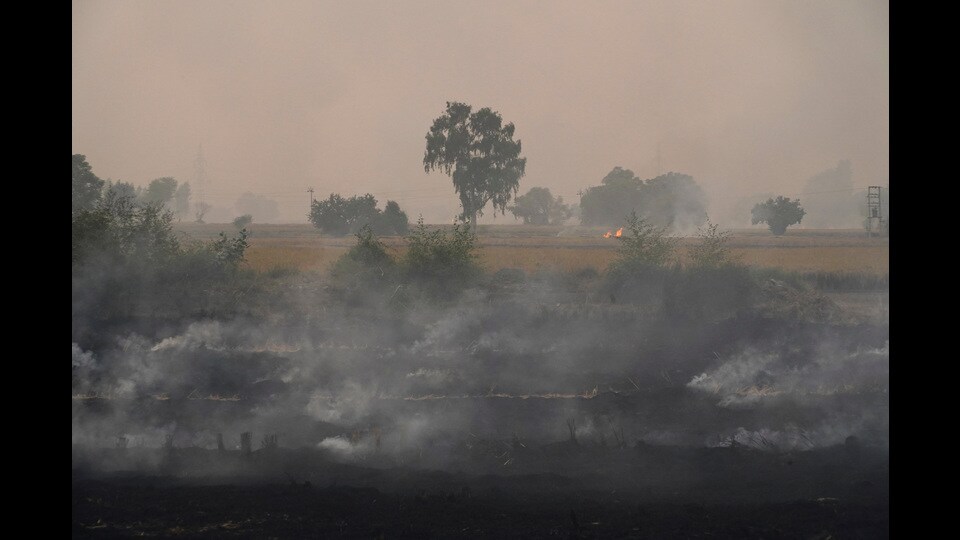
With the paddy harvesting at its fag end, Punjab on Monday reported 1,251 fresh farm fire cases, the highest single-day spike this season, taking the state’s total count to 9,655, according to the Punjab Remote Sensing Centre data.
On November 8, the state reported 730 farm fire incidents, which was the highest in a day this season till Monday.
Fresh cases were reported from 19 of the 23 districts of the state, the data showed. Last year, the state reported 637 farm fire cases on November 18, while the figure was 701 in 2022.
Muktsar topped the chart with 247 farm fire cases on Monday, followed by 149 in Moga, 130 in Ferozepur, 129 in Bathinda, 94 in Fazilka, 73 in Sangrur and 88 in Faridkot, 77 in Tarn Taran, 52 in Ludhiana, 42 in Barnala and 36 in Amritsar.
Punjab Pollution Control Board (PPCB) chairman Adarsh Pal Vig said they were not expecting such spike in stubble burning cases as the paddy harvesting is almost.
“We were expecting sporadic incidents at this stage but the fresh active farm fires were reported from the districts, including Tarn Taran and Amritsar, where the cases dropped to zero in the past few days. We have directed deputy commissioners across the state to instruct field teams to take stringent action against those involved in burning stubble,” Vig said.
An agriculture department official said due to delayed harvesting, farmers are left with limited time to prepare their fields for wheat sowing. “According to reports from our fields teams, farmers are showing reluctance to adopt in-situ management of paddy straw due to shorter window for wheat sowing. Farmers are setting paddy stubble ablaze as they find it convenient to prepare their fields for wheat sowing easily,” he official said.
Paddy straw burning in Punjab and Haryana is one of the reasons behind the alarming spike in air pollution in the National Capital Region in October and November. As the window for rabi crop wheat is very short after the paddy harvest, farmers set their fields on fire to quickly get rid of crop residue for sowing of the next crop.
According to the Central Pollution Control Board (CPCB) data, Patiala and Ludhiana recorded the worst air quality index (AQI) in the state at 262, which falls under the ‘poor’ category, followed by 241 in Amritsar, 220 in Bathinda, 217 in Jalandhar and 213 in Mandi Gobindgarh.
The air quality in Khanna at 146 and Rupnagar 101 fell in the ‘moderate’ category.


