
 E-Paper



Beyond borders: Two lines, three nations, one culture
Spice of Life: People across the two lines share the same jokes, the same frustrations, the same worries and the same resilience, that is, if we decide to overlook the political rhetoric

 Prefer HTon Google


Radcliffe Line, which divides India and Pakistan, was, after all, drawn on a map lying on a table. So was Durand Line that defines the border between Pakistan and Afghanistan. The two lines, however, failed to divide the culture and heritage of the land. All they have given rise to is acrimony and trepidation, besides the millions of dollars spent to maintain the status quo by the three countries. People across the two lines share the same jokes, the same frustrations, the same worries and the same resilience, that is, if we decide to overlook the political rhetoric in the three countries.
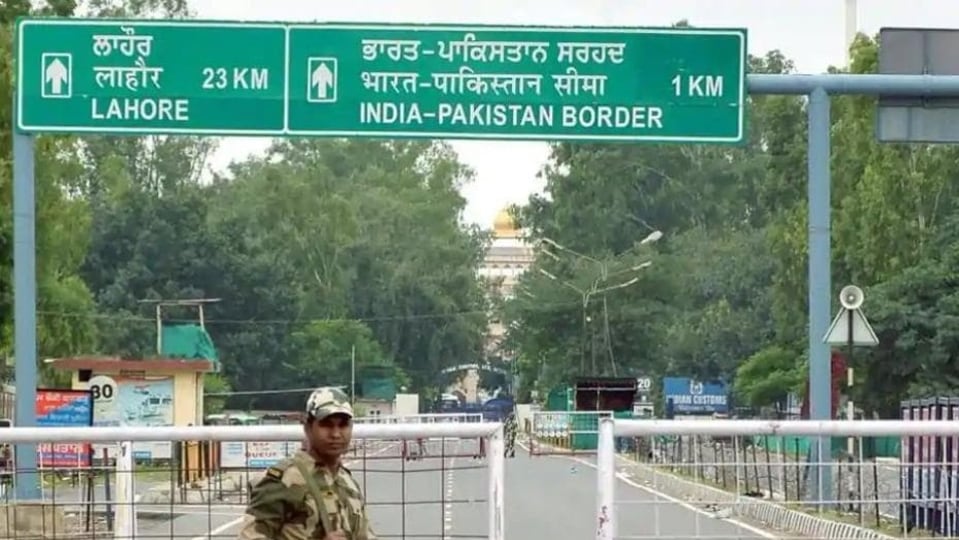
I had the good fortune of visiting Pakistan some years ago as a part of a delegation of mental health professionals. This was my first and only experience of actually stepping across the Radcliffe Line. From the moment we crossed over to Pakistan to the time we came back, not for a moment did we realise that we were not in our own country! We were welcomed with unprecedented warmth and unparalleled hospitality. What surprised all of us was that we have so much in common beneath the often bitter cacophony of Indo-Pak rivalry.
The roads of Lahore reverberate with the lament of overflowing traffic and the lack of adherence to traffic rules, just the way we do, even when we ourselves might be doing the same thing. People of this big and vibrant city still love to bargain in the market, which often ends in a deal that makes both the shopkeeper and the customer happy, not forgetting to share a boisterous laugh and a memorable hug! People across the border still believe in extending their hospitality just because you come from the same city from which their grandparents migrated at the time of the most unfortunate Partition. We bid goodbye to our Pakistani friends at Wagah border with tears in our eyes and a lot of heart-warming memories to cherish. Each one of us was left wondering, at the end of our visit, as to the relevance of the Radcliffe Line that we stepped over to head back home.
I happened to see a teacher from Afghanistan a few months ago at my clinic and my encounter with him made me think of the seeming irreverence of the Durand Line when it comes to our shared cultural heritage. This teacher belonged to the southern Afghan city of Herat. It was a pleasant surprise to see a citizen of a trouble-torn nation with so much of warmth and respect for an Indian doctor. He could speak only broken English and it was a challenge to treat him. However, his condition improved in a couple of weeks and he went back to his homeland. I was pleasantly surprised to see him in my clinic after a month with a basket of dry fruits and dates for me as a token of regards. He also presented me with an image of the Gurdwara Sahib at Kabul with utmost reverence.
These two encounters set me thinking. Why can’t people living in these three countries meet more often? Don’t we have the same language of love? Do we deserve the acrimony that exists between our countries? Inshallah, the three nations will learn, sooner than later, to think beyond the borders drawn on the map. gulbaharsidhu@rediffmail.com
The writer is a Jalandhar-based consultant psychiatrist


