
 E-Paper



Chandigarh-born origin doc bags American College of Cardiology award
Dr Sumeet is an associate director at the Smidt Heart Institute at Cedars-Sinai in United States and directs its Heart Rhythm Center


Chandigarh-born cardiologist Dr Sumeet Chugh has bagged American College of Cardiology’s Annual Distinguished Scientist Award in clinical domain for his pioneering work on usually fatal heart rhythm disruptions.
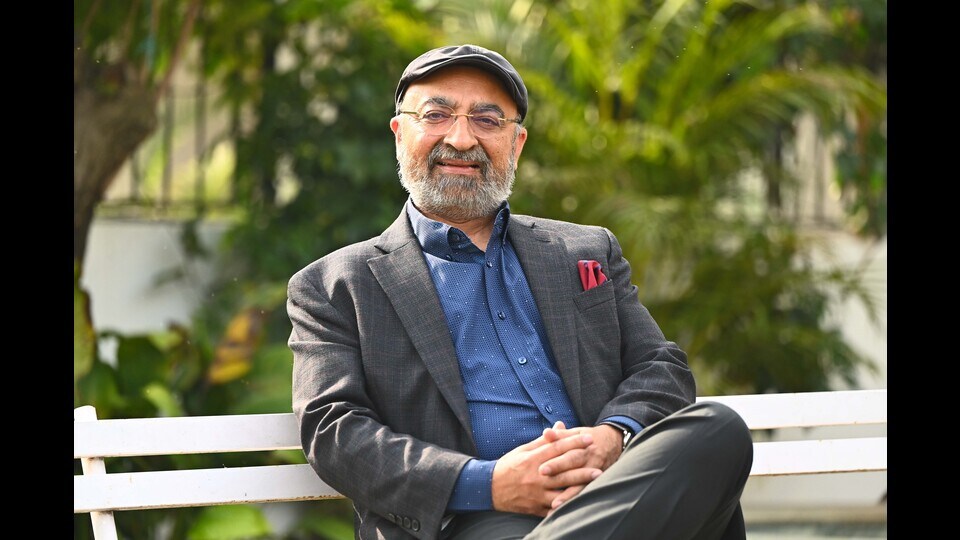
Dr Sumeet is an associate director at the Smidt Heart Institute at Cedars-Sinai in the United States and directs its Heart Rhythm Center. His team focuses on diagnosis and treatment of slow, irregular heartbeats and conducts research into the causes and potential treatments of these abnormal heart rhythms.
The American College of Cardiology, the largest academic institution of cardiology in the United States, confers the annual award upon individuals with noteworthy contributions to the field of heart disease.
Born and raised in Chandigarh, Dr Sumeet has a deep connection with the Post Graduate Institute of Medical Education and Research. During his formative years, he was influenced by his father, Dr Kirpal Singh Chugh, known in the Indian medical fraternity as the “father of nephrology”. Dr Kirpal passed away in September 2017 at 85.
Dr Sumeet spent 18 years in Chandigarh before pursuing his MBBS degree at Government Medical College, Patiala. He later shifted base to the United States, where he has spent 35 years pursuing his medical endeavours.
Speaking about the need to take cardiac health seriously, Dr Sumeet said, “We focus on preventing cardiac arrests, a condition where the heart experiences electrical chaos, leading it to stop. This is a critical situation as the heart isn’t pumping, cutting off blood supply, and is highly lethal. Globally, 5 to 7 million people die from cardiac arrest, with a survival rate of only 5 to 10%. To make a real impact, early prediction is crucial. My work revolves around finding the best ways to predict cardiac arrest, enabling effective preventive measures.”
“Starting 2002, we tackled complexity of sudden cardiac arrests by tracking a million city residents, forming a collaborative network with emergency services, linking outside-hospital events with life history for comprehensive research,” he added.
“To lower the risk of cardiac arrest, engage in 30 minutes of exercise six times a week, like walking. Prevent diabetes by eating well and maintaining a healthy weight. Control high blood pressure by reducing salt intake. Being proactive, avoiding smoking, and adopting a healthy lifestyle significantly reduce the risk of developing coronary disease,” Dr Sumeet said.


