
 E-Paper



Chandigarh’s Ward Number 35 to process its wet waste on its own
The ward, which houses a number of housing societies, will be getting the city’s first decentralised waste processing plant, where the area’s entire wet garbage will be processed in the ward itself


Aiming to make wards self-sufficient in tackling their daily wet waste, thereby reducing the burden on the main garbage processing plant, the municipal corporation has picked Ward Number 35, comprising Sector 48, 49, 50 and 63, for its “Aatmanirbhar ward” pilot scheme.
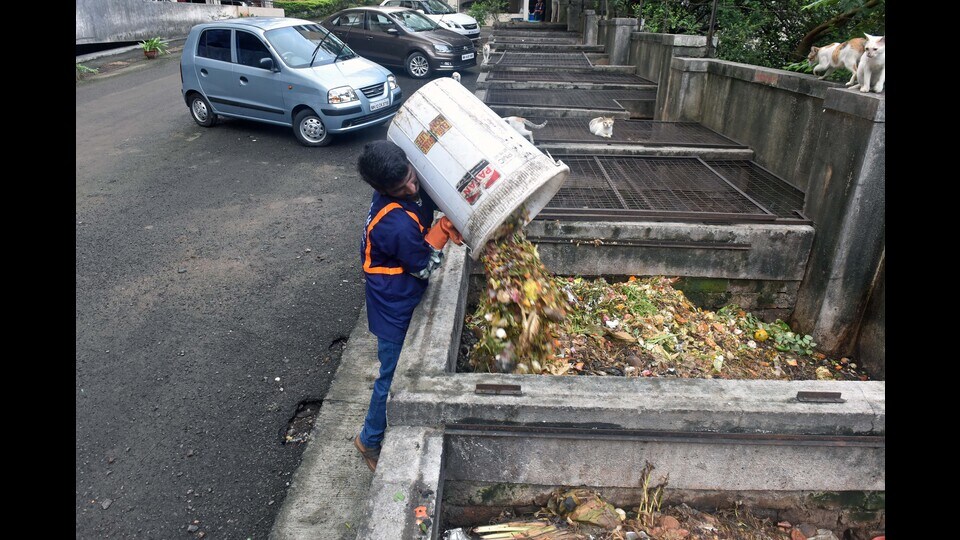
The ward, which houses a number of housing societies, will be getting the city’s first decentralised waste processing plant, where the area’s entire wet garbage will be processed in the ward itself.
The ward includes four bulk waste generator societies, including Pushpak Society, Progressive Society, BSNL Society and Kendriya Vihar Society, which produce over 984 kg (around 1 metric tonne) of wet waste daily. Besides this, the ward also generates 496 kg dry waste. Currently, all this waste is processed at MC’s central processing plant at Dadumajra.
In all, Chandigarh generates 550 MT waste daily, of which around 200 MT is dry and 350 MT is wet.
Explaining about the plan, mayor Anup Gupta said, “Under the Municipal Solid Waste Rules, the bulk waste generator areas are supposed to process their own wet waste, failing which heavy penalties are imposed. As the housing societies were not following the rules, default boards were installed at their entry points. After they approached MC expressing their inability to process the waste, it was decided to set up the city’s first decentralised waste processing plant in Ward Number 35.”
“Till this plant is made functional, MC has decided to waive the penalty imposed on these societies on the residents’ request. The agenda for the same will be placed in the next General House meeting in May,” the mayor added.
MC commissioner Anindita Mitra said, “Estimated to cost ₹50 lakh, the plant will be run in public-private-partnership (PPP) mode. MC has already floated tenders and we have also got bids from four companies. The plant is expected to be set up by the end of May. The dry waste from the ward will continue to be processed at the Dadumajra processing plant.”
Mitra added that the project will also help improve the city’s Swachh Survekshan rankings.
Chandigarh was ranked 12th among cities with more than 1 lakh population in the 2022 cleanliness rankings, an improvement from 2021, when Chandigarh was ranked 16th among cities with more than 10 lakh population and 66th nationally.


