
 E-Paper


Corporates should buy vaccine from private hospitals, donate to govt: Chandigarh administrator
Witnessing a gradual shrinking in daily footfall, owners of the private hospitals in Chandigarh are worried about financial losses as they have already sourced vaccine stock, that has a shelf life of nine months

 Prefer HTon Google


As takers of paid vaccines at private hospitals are gradually dipping, UT administrator VP Singh Badnore on Tuesday appealed to the corporate sector to purchase vaccines from private hospitals and donate them to the government sector for free inoculation of the public.
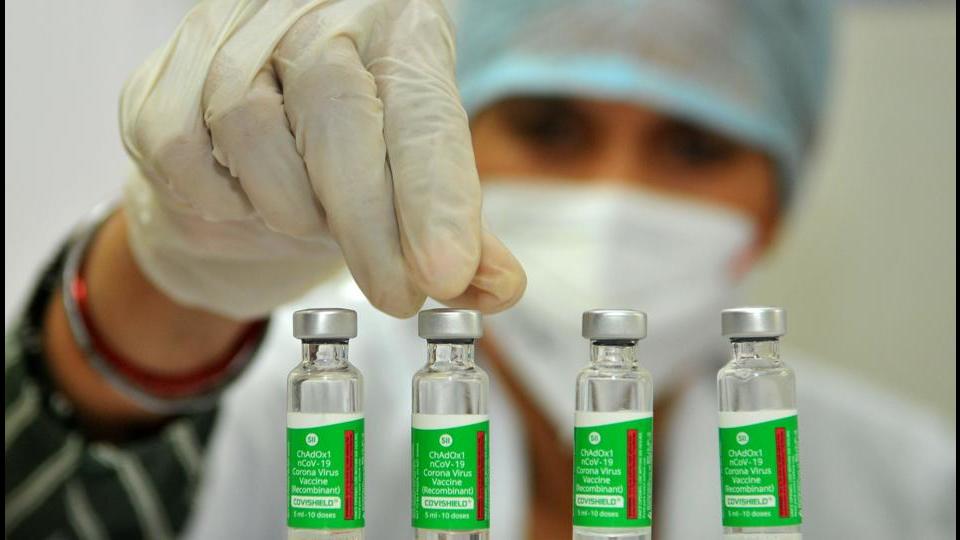
While presiding over a war room meeting on Tuesday, Badnore said, “It is an appeal to the corporate sector to come forward for the purchase of vaccine from private hospitals on cost-to-cost basis, out of corporate social responsibility (CSR) funds, and donate the same to the government hospitals for further administering to the general public free of cost.”
Witnessing a gradual shrinking in daily footfall, owners of the private hospitals in Chandigarh are worried about financial losses as they have already sourced vaccine stock, that has a shelf life of nine months.
As many as 12 private hospitals are providing Covid-19 vaccines in Chandigarh apart from 79 government centres.
“The centre government has earmarked a 25% quota for private hospitals, of the total vaccine supply to the UT. However, there are not many takers of the vaccine on payment basis and this is just an appeal to the corporate houses to purchase the vaccine from the private hospitals,” said Arun Gupta, principal secretary, health, UT.
‘Appealing to corporations not a permanent solution’
Meanwhile, Dr RS Sethi, former national vice-president of the Indian Medical Association, said that the purchasing of vaccines by the corporate sector was not a permanent solution to improve vaccination coverage in the UT.
“Instead of appealing to the corporations to purchase the vaccine, there should be a system in place wherein private hospitals are allowed to sell the vaccine to other private doctors, who cannot buy a stock of 10,000 doses from the manufactures. Many private hospitals wish to take small quantities of vaccines but they are not allowed to make small orders. Whereas those hospitals having sufficient stock have few takers. If the majority of the doctors in the private sector have doses, the percentage of vaccination will shoot up tremendously,” Dr Bedi said.
At the war room meeting, Dr Amandeep Kang, director health services, said that 71% of the eligible population had already been given the first dose and 17% were fully vaccinated.
“At present, about 55,000 doses are available with government hospitals and 45,000 with private hospitals. Further, about 75,000 doses of vaccines will be received shortly. Health department is going to start door-to-door survey-cum-drive in Dadu Majra and Manimajra for encouraging vaccination among the left-out eligible population with the help of the municipal councillors of these areas.”
Badnore also advised the hospitals to upgrade the health infrastructure for paediatrics cases and ensure that separate facilities fully-equipped with paediatric ventilators were created.


