
 E-Paper



DSR paddy sowing method not an overnight success: PAU expert
PAU expert Mukhtar Singh Gill said that after four years of research trials, that began in 2001, DSR method paddy sowing was finally given the nod by PAU

 Prefer HTon Google


The Punjab government-backed water-saving direct seeding of rice (DSR) technique for sowing paddy is not an over night wonder, but a result of four years of strenuous research trials that is proving beneficial for cultivating short-duration rice varieties and is also a boon for basmati cultivation, according to Dr Mukhtar Singh Gill, the principal researcher of the project at Punjab Agricultural University (PAU).
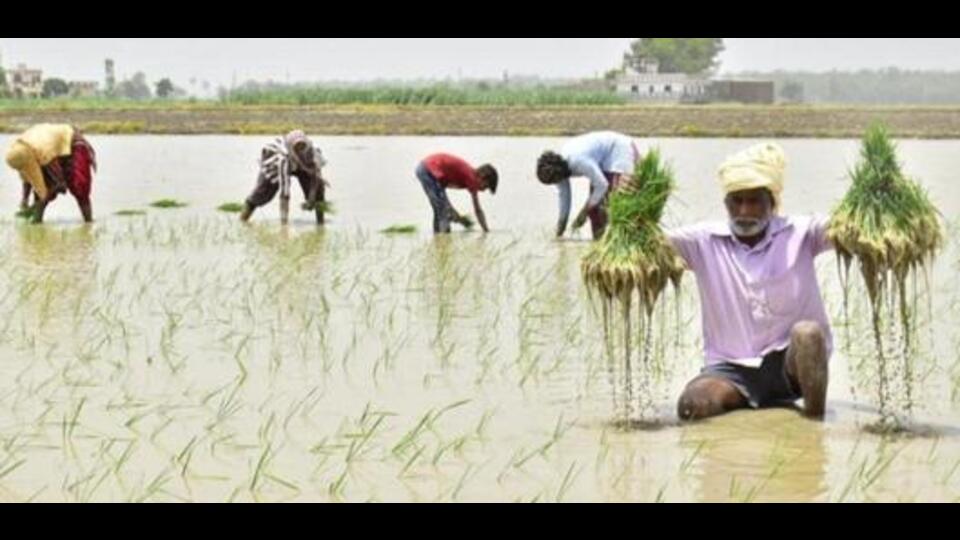
Gill, a retired director of the Indian Institute of Farming System Research (ICAR- Meerut), said that the trials conducted at PAU proved that paddy crops sown through DSR could save up to 25 to 30 per cent water, while in basmati crops, the DSR technique could save 50 per cent of water.
He said that after four years of research trials, that began in 2001, DSR method was finally given the nod by PAU to be included in the package and practice of farming in 2004.
Gill said that had farmers adopted DSR technique 18 years ago, the state could have avoided the water crisis.
He said that after the trials were successful, they had reached out to several groups of farmers across the state, but received a lukewarm response as the declining water table did not appear to be a reality back then.
He said that besides saving water, DSR also saves the cost of labour, diesel and maintenance of tractors.
Gill added that the technique which needs far less water for irrigation improves percolation, reduces dependence on farm labour and improves soil health, thus enhancing the yield of both paddy and wheat by 5-10 per cent.


