
 E-Paper



GIOS-2024: Global oncology experts unite at PGIMER to tackle gastrointestinal cancer
The summit, known for its pivotal discussions on advancements in cancer treatment, commenced with a focus on Hepatocellular Carcinoma (HCC) , attracting renowned national and international experts in gastrointestinal oncology


The Post Graduate Institute of Medical Education and Research (PGIMER) kicked off the Global International Oncology Summit (GIOS) 2024 on Friday.
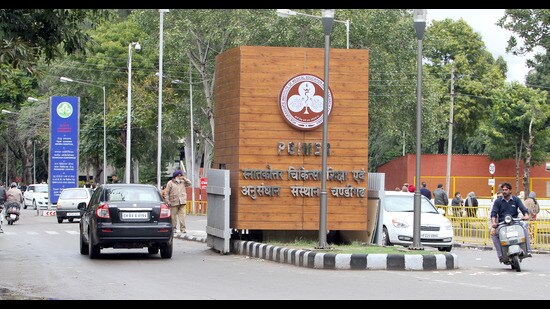
The summit, known for its pivotal discussions on advancements in cancer treatment, commenced with a focus on hepatocellular carcinoma (HCC), attracting renowned national and international experts in gastrointestinal oncology.
PGI director Dr Vivek Lal said, “The summit brought together leaders from across the globe to discuss cutting-edge treatment options, share insights on recent breakthroughs and address the complexities surrounding gastrointestinal cancers.”
Former director Dr Yogesh Chawla; Dr Seema Arif from Cadriff, UK; Dr Reena Engineer, vice-president, Mumbai; Dr Rahul Krishnatry, secretary, Mumbai; Dr Ajay Deseja, head, department of hepatology, PGIMER; Dr Naveen Kalra from department of radiodiagnosis, PGIMER, were among the key speakers.
Organising chairman Dr Rakesh Kapoor said, “The day began with an insightful session on the epidemiology and role of radiology in diagnosing HCC, deliberating emerging patterns and recent advancements in imaging techniques, emphasising how shifts in epidemiological data influence treatment protocols.”
Organising secretary Dr Divya Khosla said, “Sessions delved into liver-directed therapies, with covering innovative ablative and endovascular approaches. The potential of Stereotactic Body Radiation Therapy (SBRT) as an effective liver-directed therapy was reviewed in depth, showcasing its promising results and future potential in managing HCC cases.”


