
 E-Paper



Guest Column | Chandigarh’s cultural shift: A city in transition
Long-time residents recall a quieter, more disciplined city—where cycling was common, Rock Garden visits were frequent, and Sector 17 was the commercial hub; the migrant influx has altered these routines

 Prefer HTon Google


The recently concluded Rose Festival in Chandigarh, once a symbol of local tradition, now hints at the city’s shifting identity. The growing migrant population has brought a complex blend of influences, subtly reshaping the cultural landscape beneath the surface.
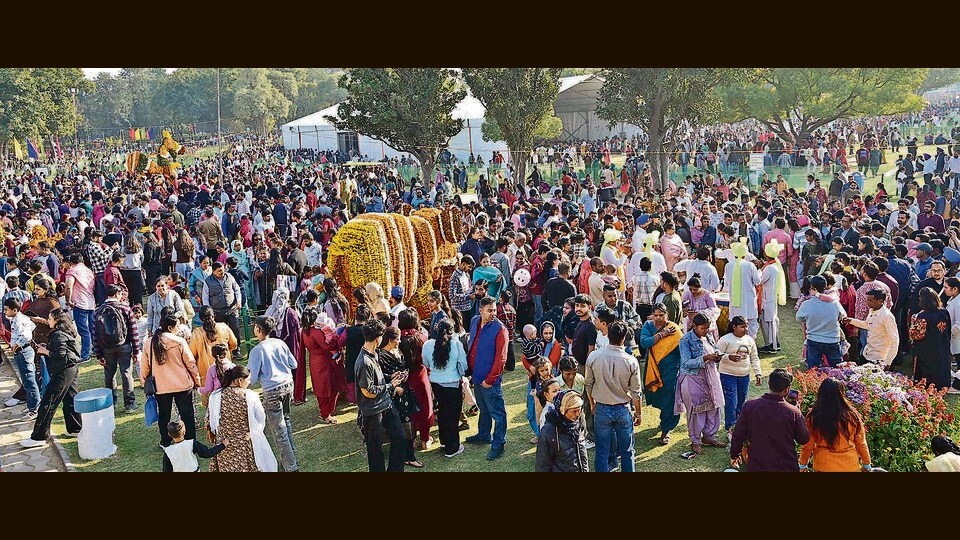
Originally designed by Le Corbusier as a symbol of post-independence aspirations, Chandigarh is no longer the utopian settlement it once sought to be. It is evolving, reshaped by a growing population, rapid sub-urbanisation, and an influx of migrants seeking economic opportunities. This transformation has altered both the skyline and the ethos of the city.
From planned haven to expanding metropolis
Chandigarh was planned for a population of 5 lakh but now serves over a million, extending into the tricity region of Mohali and Panchkula. The past decade has seen rapid sub-urban growth in areas like Zirakpur, Kharar, New Chandigarh, and Panchkula.
These developments have brought in residents from Punjab, Haryana, Himachal Pradesh, Uttar Pradesh, and Bihar, creating a unique urban blend. The city retains its old charm with green belts, organised sectors, and disciplined traffic but now pulses with diverse energy. Cultures, languages, and lifestyles intersect in dynamic ways, creating an urban experience that’s both exciting and chaotic.
Impact on city’s social fabric
Long-time residents recall a quieter, more disciplined city—where cycling was common, Rock Garden visits were frequent, and Sector 17 was the commercial hub. The migrant influx has altered these routines. Streets now buzz with food delivery bikes and late-night eateries catering to a growing student and working-class population.
Sector 17 has lost some of its old charm to the expanding malls in Zirakpur and Mohali, while markets in Sectors 8, 9, 26, and 35 have evolved into trendy hubs filled with cafés, co-working spaces, and boutique stores catering to a cosmopolitan crowd.
The rise of sub-urban Chandigarh
Once considered peripheral, areas like Zirakpur and Kharar have become urban centres with their own economies and identities. This rapid development has brought challenges such as traffic congestion and strain on infrastructure.
Older residents sometimes feel alienated, as the close-knit, sector-based communities of the past give way to transient populations. However, these changes have also brought new perspectives and an entrepreneurial spirit to the city.
An evolving cultural identity
One noticeable change is in the city’s cultural offerings. Previously centered around institutions like the Tagore Theatre and the Punjab Kala Bhawan, Chandigarh now hosts music festivals, stand-up comedy shows, art pop-ups, and culinary events. Social media has played a significant role in shaping new urban trends, creating a more inclusive cultural landscape.
However, with these changes comes the challenge of balance. While growth is essential, it’s important to ensure that Chandigarh’s essence—the clean, green, and people-friendly ethos—remains intact. Urban planning must evolve to accommodate the city’s expansion while preserving its core identity.
Finding harmony in change
Chandigarh’s transformation isn’t just about demographics or infrastructure; it’s about identity. As an architect, I see this change as an opportunity to re-imagine Chandigarh—not as a static masterpiece, but as a vibrant city that embraces progress while staying true to its foundational principles.
For both old and new residents, the challenge lies in preserving what makes Chandigarh special, while embracing change. The city has always been a symbol of a forward-looking India; perhaps its evolving culture is just another step in that journey.
aashna.gakhar@gmail.com
(The writer is a Chandigarh-based architect & interior designer)


