
 E-Paper



Guest Column| Riding the anti-corruption tiger in Punjab
Things have slowed down because the element of ‘speed money’ is missing. Giving or taking of bribes to give clearance or fast track a file has been impacted. The quintessential aam aadmi will also have to be aware, and practice a new way of engaging with the government machinery

 Prefer HTon Google


Whenever the conversation turns to how endemic corruption has become in India, it is usually accompanied by despondent hand wringing and expressions of helplessness. A common refrain is that the situation is beyond redemption and we are condemned to live with it. Political parties, who are usually aware of the people’s pulse, dish out platitudes during election campaigns, pay lip service to the issue and forget it immediately after coming to power.
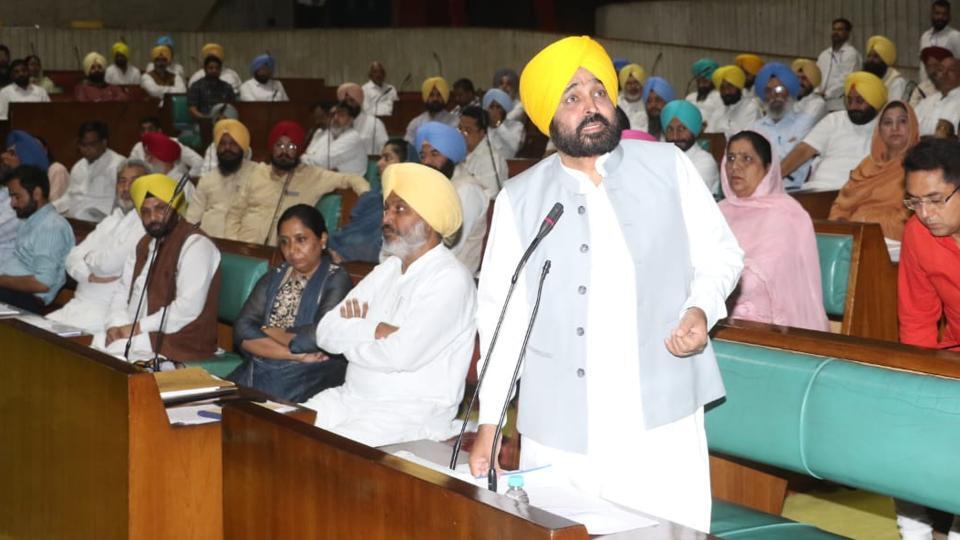
So, when the Aam Aadmi Party (AAP) came to power in Punjab in March, riding on a promise to eradicate corruption from the state, not many were expecting any radical changes to disrupt the well-embedded gravy train. But the bunch of relatively unknown legislators and ministers coming from humble backgrounds set to work on from day one, on what is indisputably, a mammoth task. One of the first steps of the government was to start an anti-corruption helpline where people can submit complaints with audio, video evidence. It became such a hit that in the first five months alone some 40 FIRs have been registered on the basis of complaints submitted in the helpline, leading to the arrest of 61 people. Cases outside of the helpline are also being pursued and some 200 people have been arrested so far. These are police, revenue and forest officials, former ministers or their associates and more.
Arrests and accountability
But the first indication that this government is really serious in its mission came on May 24, when the Vigilance Bureau arrested the AAP government’s own health minister, Vijay Singla, for allegedly demanding a 1% cut from contractors. The news sent a wave of apprehension into the administration and the ruling party’s own cadres, to say nothing about the opposition leaders. By taking action against its own minister the AAP has successfully blunted the opposition allegations of witch hunts against them. Following Singla’s arrest, the VB – now set free to do its job – turned its attention to former ministers and MLAs of the former Congress government, and a few top government officials, including an IAS officer. The numbers are steadily increasing.
As people from top to bottom began to be arrested, and accountability becomes the new buzz word, Punjab’s conceited officialdom is nervous. Those who have dipped into the gravy train in past governments would be understandably alarmed, but the average official pushing files in dusty offices of small towns is also wary. The word from the ground is that everyday corruption that dogs the common man when he has to deal with government machinery is much less. This is not to say that the magic wand has been waved.
Crackdown to slowdown
On the contrary, equally strong voices say: “Cracking down on corruption is fine, but now the pace of work has slowed down.” In other words, “kaam nahin ho rahe (work is not getting done)”.
This only means that things have slowed down because the element of ‘speed money’ is missing. Giving or taking of bribes to give clearance to projects by giving rules the go-by or to fast forward a file has been impacted. Every other day the VB is apprehending one official or the other, who is caught accepting a bribe. The message that is fast going down is, that there is indeed zero tolerance for corruption and the axe can fall on just about anyone. No one is immune.
Though people are generally happy when a big gun is caught with his hand in the till, the resultant slowing down of the government machinery is a flip side that they will have to get used to. When the administrative machinery follows rules and procedures and proper documentation is done to maintain transparency, it will naturally take longer to get work done. For a people used to handing out gratification in return for their work being done almost instantly, the present slow pace of work will be irksome for sure. So, what emerges is that it is not just the polity and the administration that will have to realise that it’s not business as usual in this government; the quintessential aam aadmi will also have to be aware, and practice a new way of engaging with the government machinery. Might be worth repeating the well-known dictum, that it is not just the bribe seeker but the bribe giver too is equally guilty.
Calling it quits
There is another kind of wary watchfulness in the countryside as the government insists on accountability from its government officials. The health and education sectors in particular are facing the heat, because of the AAP government’s special focus. Last month, government doctors resigning from their jobs created news. There was also some finger pointing at the MLAs and ministers for pulling up officials for not doing their jobs properly. So, though the doctors left citing “personal reasons” – a euphemism for harassment – a closer look revealed that most were irked at being asked to put in a normal day’s work. One of those who resigned is the sister-in-law of former chief minister Charanjit Singh Channi. She was posted as senior medical officer (SMO) in Kharar, but resigned as soon as she was transferred to Barnala after the visit of the health minister.
It is no secret that some doctors and even teachers spend the better part of the day at private practice or some side business. Some even said that the “huge public expectation” triggered by the AAP government’s actions is putting pressure on them. Reading between the lines is easy. The realisation that has hit many is that the days of an easy, laidback approach where no one insisted on accountability are over. chandersuta@gmail.com
The writer is head, media and communication, Aam Aadmi Party. Views expressed are personal


