
 E-Paper



Guest Column | Women are better at coping with loss of spouse
Having observed my mother, mother-in-law, two sisters and wives of some dear friends after they lost their husbands, I feel Indian wives are able to deal with the loss of their spouse in a more composed and dignified manner as compared to their husbands.


Life is such that we all have to cope with the grief of losing a loved one. After I lost my wife to cancer two years ago, I realised that each person has to find his or her own formula for living without spouse or a loved one.
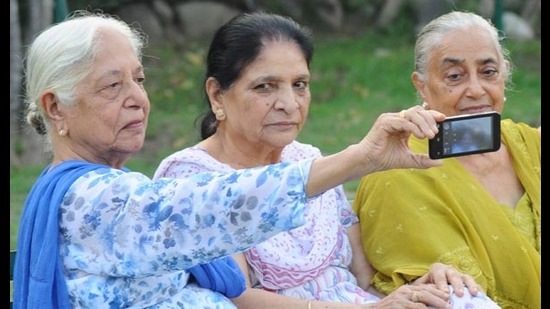
Having observed my mother, mother-in-law, two sisters and wives of some dear friends after they lost their husbands, I feel Indian wives are able to deal with the loss of their spouse in a more composed and dignified manner as compared to their husbands.
After the birth of a child, a woman’s love gets divided between her husband and offspring. The laws of Nature dictate that she gets more attached to the children as she feeds them and gets engrossed in ensuring their general wellbeing. As the children grow, this bond becomes stronger. During this evolution, a woman’s love for the husband transforms and takes a back seat. So, when the husband is not on the scene, she finds solace and happiness in her children and grandchildren. Her life is consumed by their love till she herself bids goodbye to the world.
In our patriarchal society, a husband is expected to be the breadwinner and remains busy with money making, sorting out household problems such as constructing a house, paying the bills and managing workplace relationships. When he loses wife, he is generally no more required to perform the routine role he had been used to and is uncomfortable in his new position without work and authority.
Another reason of a woman’s composed behaviour after the loss of her husband is the change in her status from the dignified position she occupied in ancient India when gender equity was not a mere fantasy and present days when she is still fighting for parity with men. An ordinary woman understands her vulnerable position in absence of her husband and is prepared to accept it as her fate. She has often treated as inferior to her husband and her physical exclusion in the society was obvious to her. She is more open to sharing her grief believing that grief shared is grief halved. Most men consider sharing grief and shedding tears unmanly and prefer to put up a stoic front in presence of others while going through emotional upheavals. Over the years she develops unbound patience not as a virtue but as a necessity.
Yet another reason is that most women are level-headed, which is why they make great managers. Also, their threshold to bear is much higher having gone through the physical and emotional pain of childbirth. Their empathy, sharing nature and patience makes acceptance of reality much easier for them. Since they are sensitive in perception and ‘feelers’ by nature, it is easier to communicate, persuade and motivate them into their changed role and they learn to lead a balanced life.
colcheema1942@gmail.com
(The writer is a Panchkula-based freelance contributor)


