
 E-Paper



Haryana cities breathe easy with ‘good’ AQI
The improved AQI in Haryana cities is also attributed to delay in paddy harvesting due to the late September rains that has led to a low number of farm fires in the state during this time


: With different factors at play, including less incidents of stubble burning during the ongoing paddy harvesting season and scattered rains, the Air Quality Index (AQI) of most cities in Haryana on Sunday hovered between ‘good’ and ‘satisfactory’ as compared to the corresponding period last year.
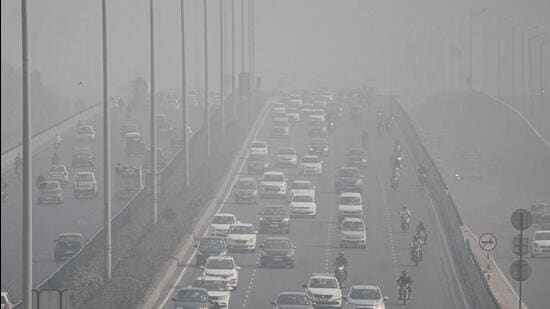
Officials from the state agriculture department have given credit to the massive campaign launched by the government against stubble burning, which is considered as a major factor behind the air pollution in winters in the region in the past couple of years.
However, the improved AQI is also attributed to delay in paddy harvesting due to the late September rains that has led to a low number of farm fires in the state during this time.
According to the Central Pollution Control Board (CPCB), the air quality of several cities, including Karnal, Rohtak, Gurugram, Kaithal, Faridabad, Panipat, Kurukshetra and Sonepat was ‘good’ with their AQI measured below 50.
The air quality of Hisar, Fatehabad, Sirsa, Panchkula, Jind and Ambala was found to be ‘satisfactory’ with the AQI recorded between 50 and 100.
The AQI of most of the cities falling in the National Capital Region (NCR), especially the industrial cities of Gurugram, Panipat, Faridabad and Sonepat was found to be ‘good’.
The air quality of these cities, as per the CPCB data, was ‘moderate’ with the AQI recorded between 101 and 200 on October 9 last year. The air quality of Gurugram and Faridabad was recorded as ‘poor’ on that day.
As per the CPCB, the AQI between 0 to 50 is considered good, 51 to 100 satisfactory, and 101 to 200 moderate, while the AQI between 201 to 300 is classified as poor, 301 to 400 very poor and it crosses over to the severe zone at 401.
According to the Haryana Space Application Centre’s (HARSAC) data of the rice-residue burning events from September 15 to October 9, the state has reported only 81 active fire locations. Even as the harvesting is at peak, only one AFL was reported in the past two days.
The figures have also revealed a considerable fall in the AFLs as the state had reported 39 AFLs on October 9 last year.
A maximum 25 AFLs were reported in Kurukshetra, followed by 20 in Karnal, 11 in Ambala, 8 each in Jind and Kaithal, and only 3 in Fatehabad. However, experts are of the view that the scattered rains and cloudy weather could be a key factor behind cleaner air this year as only stubble burning could not be the only reason for polluted air as last year, there were only 101 AFLs reported, but the AQI of most of the cities was between 150 and 200.


