
 E-Paper



Himachal CM directs fisheries dept to adopt modern technology for enhancing fish produce
Himachal CM also mentioned that fish production was increasing in the state and 19,019 metric tonne fish production was recorded in the financial year 2024-25, whereas this year till October month 7,773 metric tonne fish production had been achieved

 Prefer HTon Google


Himachal Pradesh chief minister Sukhvinder Singh Sukhu on Tuesday presided over the meeting of fisheries department and directed the officials to adopt modern technology for enhancing fish produce.
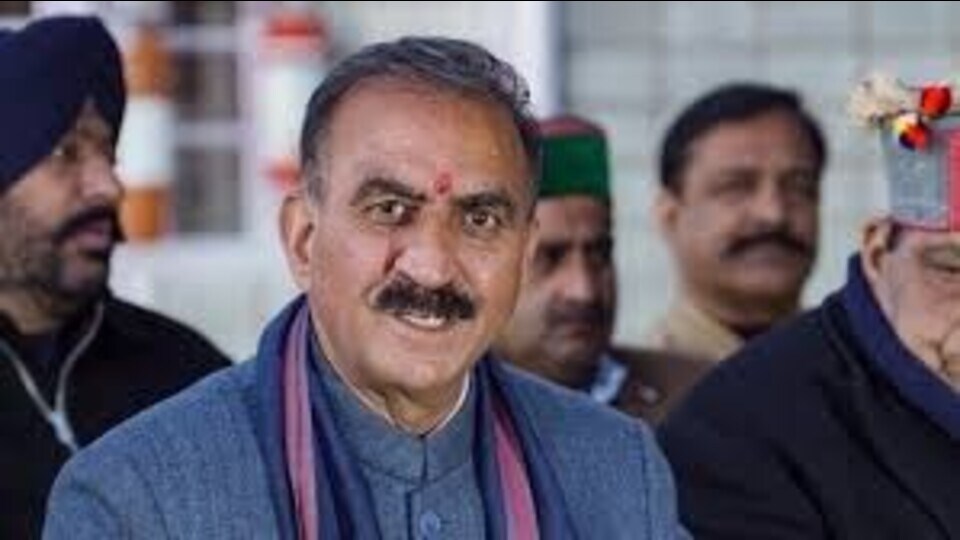
Sukhu mentioned that fish production was increasing in the state and 19,019 metric tonne fish production was recorded in the financial year 2024-25, whereas this year till October month 7,773 metric tonne fish production had been achieved. Himachal was famous for trout fish production and the state government would establish a corpus fund for the rearers to provide compensation for losses incurred due to natural calamities.
He said that the state government would establish new hatcheries and cold stores along the rivers and water reservoirs to benefit the farmers engaged in this occupation. He directed the department to identify suitable land parcels to set up new cold stores across the state.
Sukhu said the present state government was emphasising to strengthen the rural economy and fisheries sector had a significant role to play in this regard. He directed the department to extend handholding support and modern technology to the farmers to increase their income. The state government was supporting farmers by offering subsidies for the purchase of various fisheries related equipment. He said that the department should organise awareness programmes for the farmers on modern practices, improved seed varieties and emerging technologies in the fisheries sector, so that they could benefit from the advancements in this field.
The CM stressed the need to enhance fish seed stocking in the dams and water reservoirs across the state from the next season to increase farmer’s income. He instructed the department to gear up for this exercise and assess seed requirements for the next year.


