
 E-Paper



Random Forays: Rescuing Indian cricket from the IPL
Fledgling players think, and not without reason, that the IPL and its money making ways are all that they need to secure their cricketing future


Indian cricket has virtually been throttled by the Indian Premier League or the IPL, as it is popularly known. The stranglehold of the bejewelled and moneyed annual IPL bandwagon is so complete that players, their bosses and even the spectators, have little mind space for anything else.
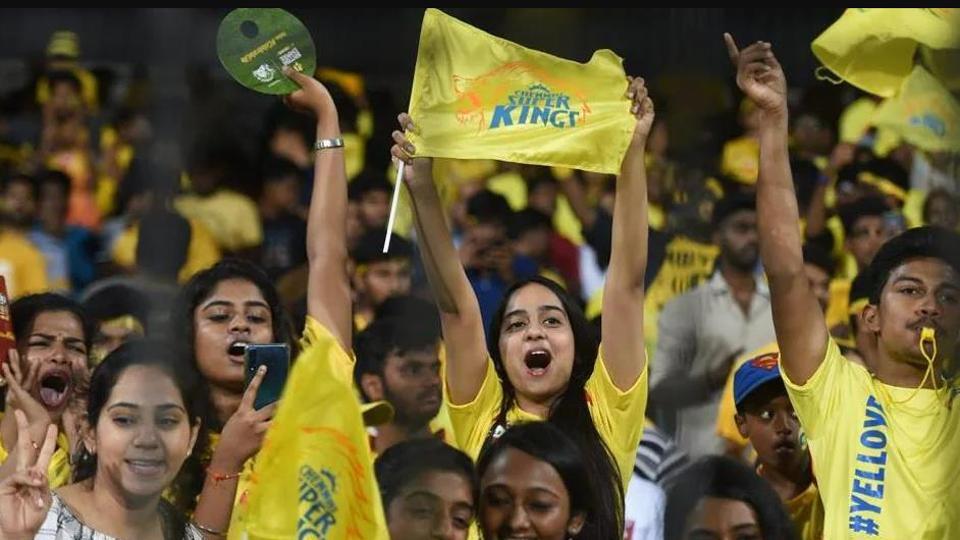
The IPL seems to have taken over almost every aspect of Indian cricket. There is no foreseeable way in which this vice-like grip of the IPL can be loosened. Several attractive and remunerative features of the IPL prevent the Board of Control for Cricket in India (BCCI) from prioritising any other format of the glorious game.
Fledgling players think, and not without reason, that the IPL and its money making ways are all that they need to secure their cricketing future. And how can one blame them when the BCCI itself is so enamoured by the IPL. It won’t be long before annual leagues like the IPL leave no breathing space for the rest of the cricket calendar across the world, so compelling is their lure.
From a macro level viewpoint, it is imperative that traditional tournaments like the Ranji Trophy, the Duleep trophy, the Vijay Hazare Trophy, the CK Naidu Trophy and other domestic events are prioritised by the BCCI. True development of this popular sport across the land, with quality young players emerging from all states would only be feasible through such an approach. By propelling youngsters into local T20 leagues, state associations too are missing the point.
Test match cricket is very much the pinnacle of all cricket, if you ask any world class cricketer. Yet for reasons not difficult to fathom, Indian cricket has fallen prey to the designs and tentacles of pyjama cricket as if it was waiting to be seduced by a more exciting avatar of the game.
In a way, the current trend reflects life itself, with short lived relationships and break-neck pace being the norm rather than the exception. So much so that the T20 game is palatable even to the cricket agnostic, since it is short lived and slam bang.
Top batsmen like Virat Kohli and Rohit Sharma played strokes in the final of the world test championship (WTC) at the Oval in London which they may not have played, had they shed their IPL mood. Kohli had insisted a couple of weeks earlier that he was trying to bat in a Test-match mould even during IPL matches. The fact that he was able to score tons of runs in the IPL using a comparatively traditional technique and without any airy-fairy improvisations is testimony to his quality and calibre. However, when the moment of reckoning came during the WTC final, he and the others attempted shots which led to their downfall, especially in the second innings.
England, meanwhile, have been scoring at a frenetic rate of knots even in Test cricket without their batsmen losing their “shape” while playing aggressively. The negative impact of white ball cricket on players from Australia and England is palpably weaker, since these countries have maintained the right balance till now, vis-à-vis tradition and modernity.
It remains to be seen whether world cricket can hold off the many lures of these razzle-dazzle cricket leagues. Even soccer, which is primarily a league-based sport, pauses its club culture during the World Cup and continental tournaments so players can prioritise their national sides. There is a crying need to maintain a balance and to regulate cricket leagues so that the purest forms of cricket can survive and flourish even in this maddening era. And certain mechanisms need to be put in place on priority for this to happen.
Firstly, the window of the IPL and similar leagues needs to be narrowed down to the bare minimum. Secondly, players under the age of 22 should not be permitted to play in such leagues. Their financial future needs to be assured by cricket boards, so that they do not feel the pinch of missing out. And lastly, the BCCI and similar bodies need to introspect and redress the balance.
Else, cricket is in the process of running itself out!
vivek.atray@gmail.com


