
 E-Paper



Lapses at Ludhiana civil hospital come to limelight post inspection
A recent inspection of Ludhiana's district civil hospital revealed several issues, including expired drugs in the newborn care unit and inadequate signage. The hospital also struggles with sewage mismanagement and improper arrangement of medicines. Staff members displayed a lack of awareness about protocols and hygiene measures. The findings will be published in a detailed report in the coming months. The hospital was aware of the inspection but made last-minute efforts to address the discrepancies. Concerns remain about the hospital's overall functionality and the need for a comprehensive overhaul.


A day-long inspection conducted as part of the Kayakalp programme has laid bare a series of shortcomings within Ludhiana’s district civil hospital. The scrutiny, carried out on Thursday, exposed distressing findings, including the presence of expired drugs in the special newborn care unit (SNCU), lack of awareness about biomedical waste segregation rules, improper disposal of medicines, inadequate signage, and expired fire NOCs, among other critical issues.
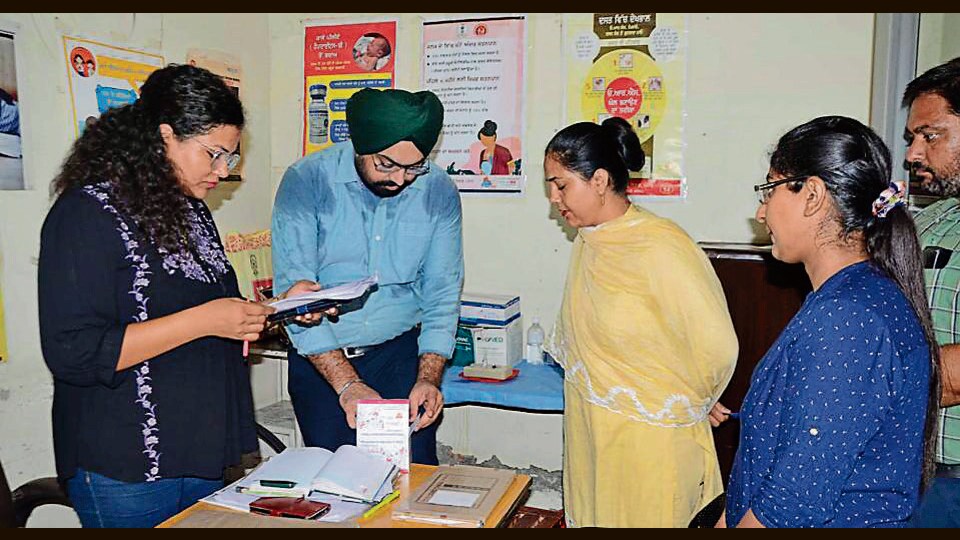
The Kayakalp Scheme is a quarterly inspection programme under National Health Mission and is aimed at upholding hospital standards across various crucial criteria such as infrastructure maintenance, hospital/facility appearance, pest and animal control, and landscaping & gardening.
The absence of essential internal location signs emerged as a significant concern during the review. Vital departments like the operation theater, surgical ward, pharmacy and OPD suffer from inadequate signage, impairing effective navigation for both patients and staff.
Moreover, the inspection cast a spotlight on persistent drainage and sewage mismanagement at the hospital. While guidelines emphasise the importance of a well-functioning system to prevent sanitation issues, the civil hospital struggles with inadequate sewage facilities, contributing to an unsanitary environment for patients.
Furthermore, medicines were found improperly arranged within the internal pharmacy, with several medicine boxes placed directly on the floor. This matter prompted immediate action from the inspecting doctors, who urged reorganisation and cautioned against direct contact with the floor.
During the inspection, staff members displayed a lack of awareness about standard protocols, uniforms, and hygiene measures. The evident absence of regular monitoring, staff training and adherence to hygiene and dress code protocols further underscored the hospital’s struggles.
The two-member inspection team, consisting of Dr Shipra from Hoshiarpur and Dr Sukhjinder from Tarn Taran, stated that the listed findings will be made public in a detailed report in the coming months.
Insider sources suggest that the hospital was aware of the impending inspection since August 12, yet last-minute efforts were undertaken on August 16 to address these glaring discrepancies. Despite surface changes such as new bedsheets, bio-medical waste trolleys and a sudden herbal garden appearance, concerns linger about the broader functionality of the hospital and the urgency for a comprehensive overhaul.
A senior staff member lamented, “While we were directed to clean tiles and tables ahead of the visit to meet hygiene protocols, the larger challenges remain unaddressed. The hospital’s decline has been ongoing, marked by a lack of proper training and discipline in daily operations, which only becomes apparent during inspections.”
Commenting on the discrepancies pointed during the inspection, senior medical officer (SMO) Dr Mandeep Kaur said, “As soon as we get the detailed report, we will act upon it and ensure quality treatment here at civil hospital”.


