
 E-Paper



Ludhiana | PAU V-C sets hope on Centre for funds to encourage research
PAU vice-chancellor Satbir Singh Gosal has asked the Centre to provide funds for further research and innovation and recognise the potential of PAU, Ludhiana


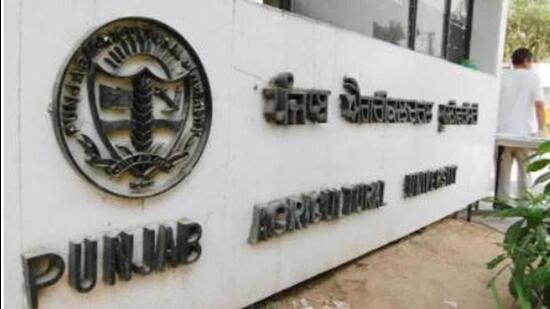
After three wheat varieties developed by Punjab Agricultural University (PAU) have been identified for release at the national level by the Indian Council of Agricultural Research (ICAR), PAU vice-chancellor Satbir Singh Gosal has asked the Union government to provide funds for further research and innovation and recognise the potential of PAU.
“The university receives an annual budget of around ₹400 crore from the state government each year and the large portion of it goes into disbursing salaries. We need funds for research, revamping the university, its hostels and houses. For this, we expect help from the Central government,” Gosal said.
He was quick to add that each scientist in the university has been dedicatedly working in the national interest.
“The university is funded by the state government. It is developing excellent varieties of wheat, rice and other crops, the benefit of which is being availed by other states across the country. But PAU is receiving nothing in lieu of it. Imagine if the three wheat varieties lead to 1 % per cent increase in production, the earnings of the states will run into crores. We are not asking for a patent or royalty. But somehow the benefit should be passed on to PAU for encouraging scientists to carry out more research, innovation and helping the country in maintaining the food stock,” he said.
He said the three wheat varieties— PBW 826, PBW 833 and PBW 872— had been identified for release at the national level in a Varietal Identification Committee (VIC) meeting during the 61st All-India Wheat and Barley Research Workers’ Meet at the Rajmata Vijayaraje Scindia Krishi Vishwa Vidyalaya, Gwalior (Madhya Pradesh).
The wheat variety PBW 826 was identified for release under irrigated timely sown conditions of NWPZ, comprising Punjab, Haryana, Delhi, and Western Uttar Pradesh, parts of Rajasthan, Uttarakhand, Jammu, and Himachal Pradesh. It ranked first for grain yield in the zone during all zthe three years of testing.
The wheat variety PBW 826 was also identified for release under irrigated timely sown conditions of NEPZ, comprising eastern Uttar Pradesh, Bihar, West Bengal, Jharkhand, Odisha, Assam and North Eastern states.
Gosal said it was a huge achievement that PBW 826 was recommended for use for such a large part of the country having different climatic conditions.


