
 E-Paper



Ludhiana sees steady rise in HIV cases; migrant mobility and stigma hinder control, say health officials
According to health officials, at the civil hospital’s anti-retroviral therapy (ART) centre, nearly 100 people are screened daily

 Prefer HTon Google


Health officials in Ludhiana have reported a sustained rise in HIV detections, with officials linking the trend primarily to intravenous drug use, unsafe behavioural practices involving unprotected intercourse, and interruptions in treatment adherence among infected individuals.
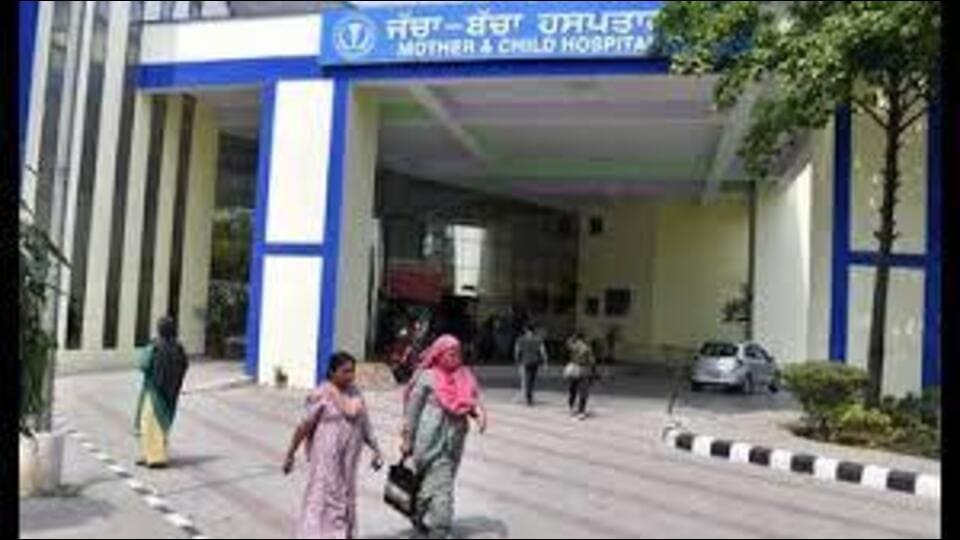
According to health officials, at the civil hospital’s anti-retroviral therapy (ART) centre, nearly 100 people are screened daily, with fresh positive cases emerging on a weekly basis, reflecting intensified surveillance alongside persistent transmission risks in high-risk populations.
Drug abuse remains major trigger
The upward trend is closely tied to the continued prevalence of intravenous drug use in the region, particularly the sharing of contaminated syringes and needles, the health officials added. Medical experts caution that such practices remain one of the fastest modes of transmission. Unprotected intercourse, exposure to infected blood, and mother-to-child transmission during pregnancy or childbirth—where intervention is delayed or absent—remain the other key pathways identified by health authorities.
“Transmission through infected syringe sharing continues to be a major concern. Drug-using populations remain highly vulnerable due to repeated unsafe injection practices,” said district health officer Dr Ashish Chawla. The officials noted that while blood screening protocols have significantly improved over time, behavioural risks continue to sustain fresh infections. They also emphasised that prevention gaps persist despite awareness campaigns, particularly in communities with limited access to consistent healthcare.
Migrant mobility, stigma hinder treatment
A significant operational challenge, officials said, is the high mobility of Ludhiana’s migrant workforce.
Many individuals begin antiretroviral therapy but discontinue treatment after relocating for employment, making long-term monitoring difficult and increasing the risk of onward transmission.
Stigma associated with HIV further complicates containment efforts, with many individuals avoiding testing or concealing their status due to fear of discrimination and social exclusion. Health workers said this continues to delay diagnosis and weaken early intervention efforts.
High-risk groups under scanner
Targeted interventions are currently directed at identified high-risk groups, including intravenous drug users, migrant labourers, female sex workers, transgender persons, and men who have intercourse with men. Officials said focused screening and outreach in these groups is essential to breaking transmission chains.
District estimates place HIV prevalence in Ludhiana at approximately 0.42% of the
population, though authorities acknowledge that the actual
burden may be higher due to undiagnosed and unreported cases.
Lifelong treatment, no cure yet
To strengthen control measures, the health department has intensified implementation of the global “95-95-95” strategy, aimed at ensuring that 95% of HIV-positive individuals are diagnosed, 95% of those diagnosed are placed on treatment, and 95% of those on therapy achieve viral suppression.
Officials said viral load testing has already been completed for more than 95% of registered patients to monitor treatment effectiveness and adherence outcomes.
Doctors at the ART centre reiterated that HIV remains a lifelong condition with no permanent cure.
“Once a person is HIV-positive, treatment must continue for life,” said district programme officer Dr Amrit Chawla.
Antiretroviral therapy helps suppress viral load, enabling patients to lead stable lives while significantly reducing the risk of transmission when taken consistently.
Health authorities stressed that prevention remains the cornerstone of control efforts,urging avoidance of needle sharing, consistent protective measures during intercourse, timely testing, and uninterrupted adherence to prescribed treatment, supported by ongoing counselling initiatives to reduce stigma and improve compliance.


