
 E-Paper



Ludhiana zoo: Heaters for big cats, boiled eggs for birds to beat the chill
Ludhiana zoo in-charge Narinder Singh explained that the authorities carefully manage the animals’ diets during the winter


Amid bone-chilling weather, forest officials at the Ludhiana zoo have taken a slew of measures, such as arranging heaters, making paddy straw beds and earthen huts, besides keeping a special focus on the diet of animals.
Paddy straw beds have been kept in the night shelters of animals, like emus, porcupines, blackbucks, barking deer and sambar deer to keep them warm and comfortable.
Forest guard Aman mentioned that the zoo’s earthen huts, which can give way during extreme heat and rain, were reinforced before winter. They have been covered with plastic sheets and curtains.
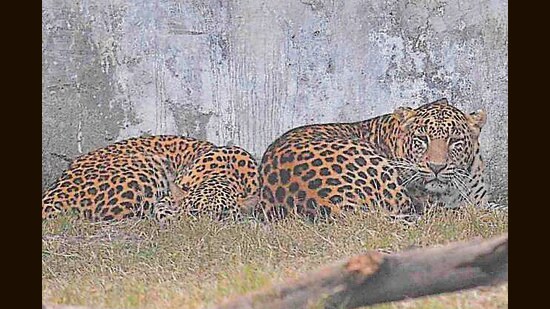
Special attention has also been given to the big cats, Neetu and Sneha, the newly introduced leopard duo, and the lone Bengal tiger — Aman. Thermal heaters have been installed in their enclosures and they are being provided warm drinking water. Their shelters are also cleaned with warm water, an official added.
Zoo in-charge Narinder Singh explained that the authorities carefully manage the animals’ diets during the winter. Herbivores like blackbuck, barking deer, and sambar are given green fodder, black grams and jaggery.
Certain bird species are fed carrots, groundnuts and sweet potatoes during the winter months. Emus, silver pheasants, yellow pheasants and golden pheasants are given boiled eggs.
For carnivores, 10-kg buffalo meat is being served to the Bengal tiger, while the jackal is given 4-kg buffalo meat. The leopards are fed 4-kg mutton and chicken, Singh said.
Interestingly, the induction of two leopards, 10-year-old male (Neetu) and four-year-old female (Sneha) here in April last year has led to a significant increase in visitors’ numbers. The leopards, brought from Tutikandi in Shimla, Himachal Pradesh, are the special attraction.
Narinder Singh, the zoo in-charge, shared that before the leopards’ arrival, the zoo averaged around 1 lakh visitors annually until December 2023. In just eight months since their induction, the number surged to approximately 1.5 lakh in 2024.
Notably, the zoo remains open from 9 am to 5 pm from Tuesday to Sunday where the entry fee is ₹20 for children aged 3 to 12 years and ₹30 for those over 12.
At the same time, the broken net around the enclosure of jackal for quite sometime is raising safety concerns, particularly for families with young children. “We bring our kids here to let them know about wildlife, but I was shocked to see such negligence by authorities. Rogue visitors can provoke the jackal, leading to potential danger,” said Veena Singh, a visitor from Himachal.
Responding to the concerns, forest guard Aman assured that the jackal poses no threat. “It is domestically trained and well-behaved. Efforts to replace the damaged net are already in progress,” he said.


