
 E-Paper



Ludhiana: Food panel member flags hygiene lapses during inspection
What set this inspection apart was Dhaliwal’s hands-on approach—he personally tasted the mid-day meals being served to students, thoroughly examined the food storage facilities, and critically assessed hygiene standards in the schools and anganwadi centres


Punjab State Food Commission member Chetan Prakash Dhaliwal conducted a surprise inspection of government primary and high schools in Haibowal Kalan, anganwadi centres in Joshi Nagar, and ration depots in Santosh Nagar, Pavitar Nagar, and Hakikat Nagar, with a sharp focus on the quality of food, hygiene, and implementation of welfare schemes.
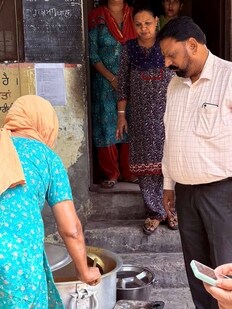
What set this inspection apart was Dhaliwal’s hands-on approach—he personally tasted the mid-day meals being served to students, thoroughly examined the food storage facilities, and critically assessed hygiene standards in the schools and anganwadi centres. During his visit, he found several deficiencies that raised concern.
At some schools, Dhaliwal identified improper storage of food grains and lapses in cleanliness. Additionally, drinking water samples from a few locations showed elevated total dissolved solids (TDS) levels, which could pose a risk to students’ health. Taking immediate cognisance of these issues, he issued strict on-the-spot directives for corrective measures.
He instructed staff responsible for mid-day meals to wear proper headgear and gloves while preparing and serving food and to strictly follow the prescribed menu. Emphasising nutrition, he directed that fresh vegetables and fruits be included in the meals. The mid-day meal registers and drinking water facilities were also reviewed, with Dhaliwal underscoring the need for regular water quality checks and the installation of RO systems where necessary.
Furthermore, he mandated bi-annual health check-ups for students and mid-day meal workers to ensure early detection of any health issues and encouraged schools to take their dietary responsibilities seriously.
During his visit to the ration depots, Dhaliwal noted a lack of basic infrastructure to receive consumer feedback. He directed the immediate installation of complaint boxes and awareness banners at all depots. He also instructed that the toll-free Punjab State Food Commission number (9876764545) be prominently displayed at schools, anganwadi centres, and ration depots to encourage public reporting on food-related concerns.
Earlier in the day, Dhaliwal chaired a meeting at the district administrative complex where he reviewed the status of key welfare schemes including the Mid-Day Meal Scheme, School Health Program, Antyodaya Anna Yojana, Fair Price Shops, the Integrated Child Development Scheme (ICDS), the National Food Security Act (NFSA), and Pradhan Mantri Matru Vandana Yojana.
He emphasised the need for promoting organic farming as a means to reduce dependency on harmful chemical fertilisers and pesticides, citing their adverse health effects. Dhaliwal reiterated the commission’s commitment to ensuring safe, nutritious food and clean drinking water as fundamental rights under the Food Security Act.
Issuing a stern warning, he said that any future negligence in food safety or hygiene standards would lead to strict departmental action, adding that safeguarding public health, especially of children, remains the commission’s top priority.


