
 E-Paper



Price rise to juice up income of Punjab’s kinnow growers
Kinnow traders have started finalising advanced deals for up to ₹25 per kg, an increase of over 100% over last year’s average price of up to ₹11 per kg in Punjab


BATHINDA
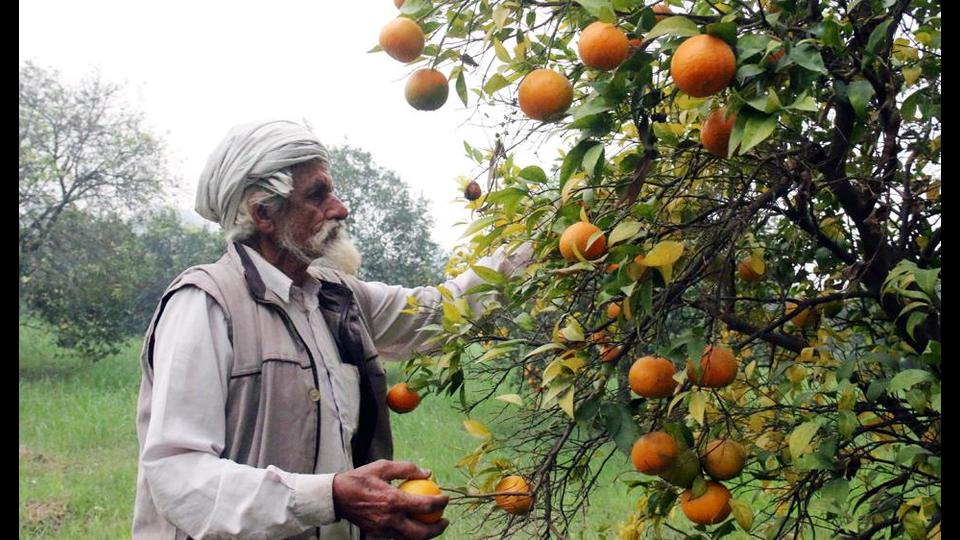
Punjab’s “king fruit” kinnow is giving hope of a handsome return to farmers even as its production is likely to dip this year by more than 50% as compared to the 2020-21 season.
Traders have started finalising advanced deals for up to ₹25 per kg, an increase of over 100% over last year’s average price of up to ₹11 per kg. The reason for this price appreciation of the citrus fruit, to be harvested in second week of December, is attributed to lesser yield this season, say experts.
The South is the biggest market for Punjab’s kinnow and the region plays a vital role in deciding the pricing, say orchardists.
Punjab leads in the cultivation of kinnow, a hybrid between king and willow leaf mandarin. Abohar produces 60% of the state’s fruit with 33,000 hectares under its cultivation. Last season, Abohar produced 8 lakh metric tonnes of kinnow.
A grower from Gidderanwali in Fazilka district, Pardeep Dawra, said farmers were paid ₹10-12/kg for bulk orders in 2020-21. “In the last two seasons, kinnow production was exceptionally high. But climatic conditions in March this year were non-conducive for trees at the flowering stage as the temperature was high. This time, the average yield was expected to be hit but higher rates will compensate farmers,” he added.
Kinnow trader and grower Surinder Charaya said the fruit has a major market in Karnataka, Tamil Nadu, Telangana and Gujarat.
“Market rates of kinnow may escalate further as it depends on crop of orange, kinnow’s competitive citrus fruit. We are looking for the railways to facilitate kinnow producers a cheaper transport alternative to different markets of the country,” said Charaya.
Ambala divisional railway manager GB Singh said a team has been deputed to finalise negotiations with the kinnow producers.
“We have surplus freight trains to customise requirement for fruits. Railways has proposed to transport kinnow to Bengaluru and other southern states and West Bengal for export to Bangladesh,” he added.
But a section of growers is apprehensive about the intervention of the railways.
“A truck takes five days to reach the main destination in Bengaluru or WB from Abohar whereas freight trains may hit these destinations on the second day. But mass transportation may lead to a glut and crash in rates in markets,” said orchardist Arvind Setia.


