
 E-Paper



Punjab government to hire rehabilitated drug addicts as counsellors at OOATs
The department has already directed all the civil surgeons to submit names of recovered drug addicts holding a graduate degree in any subject.

 Prefer HTon Google


The Punjab health department will employ rehabilitated drug addicts as counsellors at government-run Outpatient Opioid Assisted Treatment (OOAT) centres across the state.
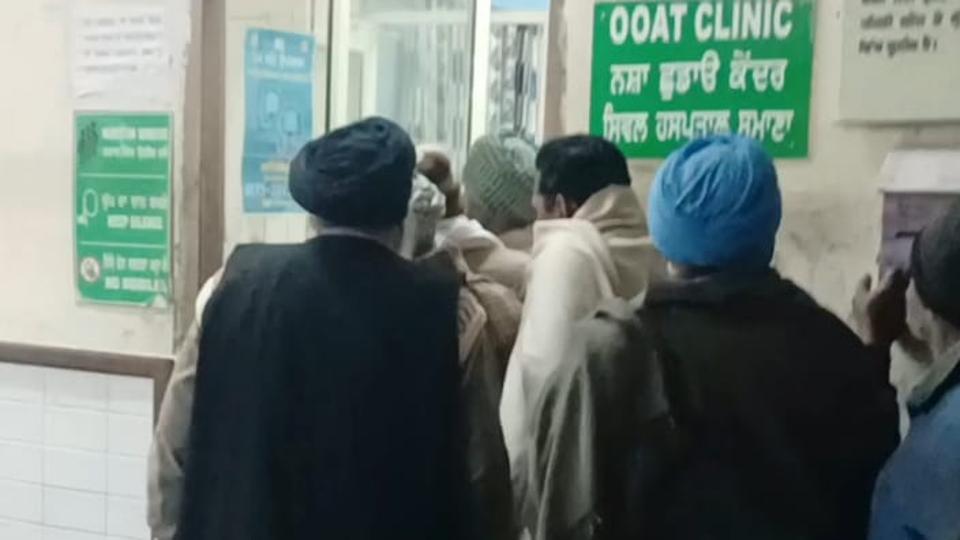
The department has already directed all the civil surgeons to submit names of recovered drug addicts holding a graduate degree in any subject.
According to an official letter issued by the state health department on February 25, a copy of which is with Hindustan Times, the proposal to engage rehabilitated addicts as counsellors is under active consideration.
The letter asks for the list of eligible candidates to be provided at the earliest.
An official of the health department, pleading anonymity, said that the rationale behind this step is to use the recovered addicts’ experience to enhance the efficacy of OOATs.
Punjab currently has 526 OOAT centres with approximately 10 lakh registered patients. Health officials believe that employing rehabilitated addicts as counsellors could be beneficial, as their experiences may help them better connect with and guide the patients battling substance abuse.
Experts, however, have pointed to potential risks. Dr Gurprakash Singh, a psychiatrist, criticised the plan, warning that it could increase the chances of relapse among rehabilitated addicts.
“Employing rehabilitated drug addicts at government-run OOAT centres is not a wise decision. By exposing them to the same environment, there is a risk of them relapsing and returning to drug abuse. We usually keep active and rehabilitated drug addicts away from such triggers to reduce the chances of relapse,” he said.
Experts also suggested that the recovered addicts, who are to be hired as counsellors, should undergo professional training, receive regular supervision, and have personal coping mechanisms in place.
“There should be safeguards for recovered addicts such as regular mental health check-ins, continuous professional development, and alternative placement options if the work environment proves too triggering,” an expert, who didn’t wish to be named, said.


