
 E-Paper



Punjab records 384 confirmed swine flu cases, five deaths in last 2 months
The latest health department data shows 2,101 Category-C suspected cases across the state, including 43 fresh suspected cases and seven new positive cases reported on September 22.

 Prefer HTon Google


Punjab is witnessing a spike in swine flu (H1N1) infections with 384 confirmed cases and five deaths in the last two months.
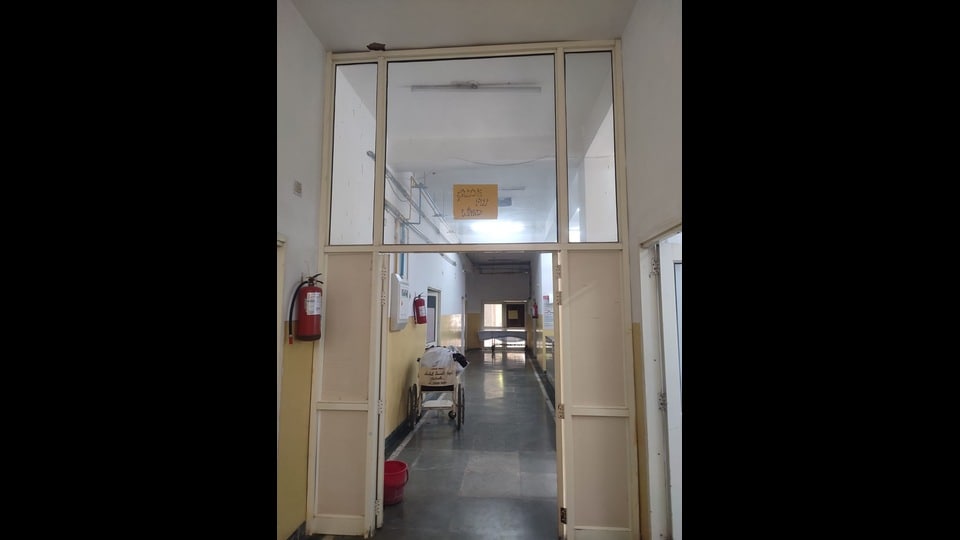
Last year, the state reported seven confirmed H1N1 cases until September 30, with no deaths recorded.
The latest health department data shows 2,101 Category-C suspected cases across the state, including 43 fresh suspected cases and seven new positive cases reported on September 22.
Ludhiana has emerged as the worst-affected district, accounting for 777 Category-C suspected cases and 104 confirmed infections—the highest in the state.
Patiala has reported 134 suspected and 53 confirmed cases, while SAS Nagar has recorded 144 suspected and 50 confirmed cases. Jalandhar has reported 126 suspected and 25 confirmed cases. Rupnagar has recorded the highest number of confirmed deaths at two, while Ludhiana, Jalandhar and Kapurthala have reported one death each.
H1N1 mainly transmits from person to person through respiratory droplets produced during coughing, sneezing, or talking. Those infected typically experience symptoms such as fever, chills, cough, sore throat, headaches, body aches, and fatigue.
While many infections are mild, severe cases can develop complications such as pneumonia and breathing difficulties, particularly among people at higher risk of complications. Category-C patients are those with severe symptoms or complications and are the group prioritised for testing under the state’s influenza surveillance guidelines.
Amid the increase, the state health department has directed all government and private hospitals to establish dedicated flu corners for screening patients reporting influenza-like illness.
The move is aimed at ensuring early identification, isolation and treatment of suspected patients. Hospitals have also been asked to follow the prescribed categorisation of influenza cases and report influenza-like illness as well as confirmed H1N1/H3N2 cases to the respective civil surgeons. Under the state’s 2026 influenza regulations, private laboratories and hospitals undertaking H1N1/H3N2 testing require approval from the health department.
According to sources in the private healthcare sector, this additional requirement has reportedly discouraged some facilities from sharing positive cases with the health authorities.
As a result, several patients who tested positive at private hospitals have not been reflected in district-wise government data, raising concerns of underreporting at a time when H1N1 transmission is at its peak.
The guidelines also provide that testing should be undertaken for Category-C patients, while suspected and confirmed patients are to be isolated to prevent further transmission. District task forces headed by deputy commissioners have also been tasked with planning measures to control the spread.


