
 E-Paper



Punjab registers 57% jump in basmati production
A record 22 lakh tonnes of basmati or the aromatic rice variety has been procured in the 2022-23 harvest cycle to date in Punjab with farmers likely to sell the crop for another 3-4 months.

 Prefer HTon Google


BATHINDA: A record 22 lakh tonnes (LT) of basmati or the aromatic rice variety has been procured in the 2022-23 harvest cycle to date in Punjab with farmers likely to sell the crop for another 3-4 months.
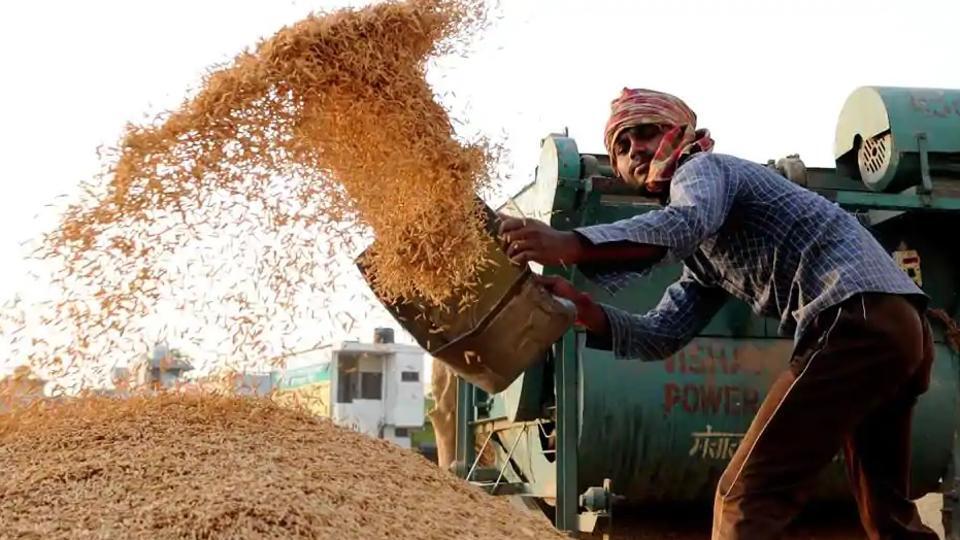
Analysis of Punjab mandi board data says the current marketing period saw a surge of 57% in production than the Kharif season of 2021-22 when the state recorded production of 14 lakh tonnes.
Punjab rice millers and exporters association president Bal Krishan Bali said, “According to our estimates, the total production of basmati this season is likely to be over 23LT.”
Punjab farmers popularly sow five varieties 1401, 1509, 1718, 1121 and a traditional basmati variety- 386.
In the 2022-23 Kharif season, average rates of these varieties remained between ₹2,000 and ₹5,850 per quintal, the highest in the last five seasons. In 2021-22 the prices were between ₹1,900 and ₹4,225.
Stakeholders attribute a surge in basmati production to suitable climatic conditions, a marginal increase in the area under cultivation of aromatic rice varieties and flash floods in Pakistan which hit the production there.
Bali said the growing demand for basmati overseas also boosted its cultivation and offered growers handsome rates.
“Last year, a sizeable part of Pakistan’s basmati belt was hit due to flash floods. It opened more avenues for India-grown premium rice varieties in the international market, and farmers are being paid remunerative prices. According to our estimates, the total production this season is likely to touch 23LT,” added Bali.
State agriculture officials said in 2022-23, an estimated 4.6 lakh hectares was under basmati, whereas, in the previous season, the cash crop was sown on 4.4 lakh hectares.
“ Basmati is one of the most suitable alternatives to the water-guzzling paddy or parmal rice crop. The farmers do not burn the stubble of basmati varieties as they make fodder from it, and there is a huge demand for basmati stubble fodder among dairy farmers. But in spite of best efforts to push for crop diversification with basmati as a solution, there has not been much success,” said a farm expert.
Mandi board’s general manager, Manjit Sandhu on Wednesday said basmati rates in 2022-23 were up to ₹1,625 per quintal higher than the 2021-22 Kharif season.
“Basmati rice starts arriving in November, and since the beginning of the 2022-23 season, farmers are being paid higher rates. We expect basmati arrivals till April,” he added.
Basmati purchased
2022-23: 22.01 lakh tonnes (to date)
2021-22: 14.13 LT
2020-21: 18.34 LT
2019-20: 24.54 LT
2018-19: 21.03 LT
Basmati rates per quintal
2022-23: ₹2,000-5,850
2021-22: ₹1,900-4,225
2020-21: ₹1,500-4,600
2019-20: ₹1,700-4,018
2018-19: ₹1,650-4,380
Leading producers in 2022-23
Amritsar: 5.54 LT
Fazilka: 4.11 LT
Patiala: 1.98 LT
Muktsar: 1.84 LT
Tarn Taran: 1.74 LT
Sangrur: 1.68 LT
Faridkot: 1.14 LT


