
 E-Paper



US Army to screen men for testosterone deficiency: Endocrinologist Dr David Chandy explains testosterone therapy, risks

 Prefer HTon Google



Testosterone levels naturally decline with age in men, leading to symptoms like fatigue, reduced libido. Dr Chandy explains the benefits and risks of therapy.
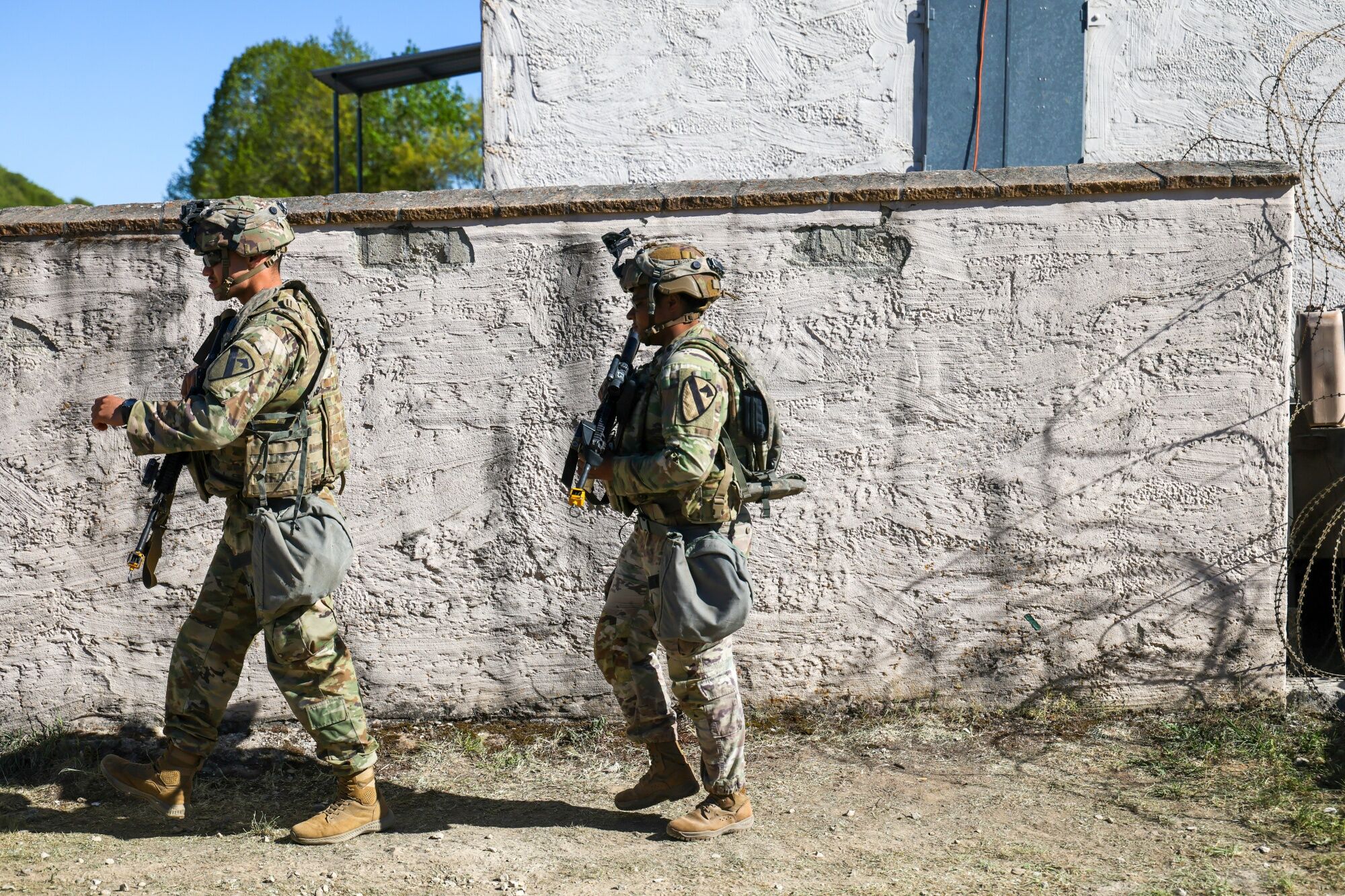
US Defence Secretary Pete Hegseth announced earlier this week on X (formerly Twitter) that, under a new program, all male service members will be required to undergo annual screening for testosterone deficiency. Hegseth said the new screening program is meant to make sure troops have the right testosterone levels to perform at their best.
The US Army's new testosterone therapy directive
Under the new policy, if soldiers are found to have low levels of the hormone, they will have the option to begin testosterone replacement therapy (TRT) if needed. But how safe is this new directive? Experts are increasingly saying that in some cases, the risk is not worth the reward. Moreover, regular screenings could lead to inaccurate diagnoses and dangerous complications.
To understand what testosterone therapy is and the risks and benefits involved, HT Lifestyle spoke with Dr David Chandy, director of endocrinology at Sir HN Reliance Foundation Hospital, Mumbai.
How do testosterone levels change as men age?
According to Dr Chandy, testosterone levels change as people get older. They are at their highest during the teen and twenties. Then they start to go down by one to two percent every year after the age of thirty. By the time men are in their forties and fifties, some of them have low levels of testosterone. This is called onset hypogonadism, he explained.
Men with this condition often feel tired, do not want to have sex much, get moody, and lose muscle, according to Dr Chandy. These symptoms can also be caused by other things, so it is necessary to do tests to confirm that the problem is really low testosterone.
What does testosterone do in the body?
Per Dr Chandy, “Testosterone does many things in the body. It helps people have sex, build muscles, keep bones strong, have energy, and think clearly.” He noted that some people often wonder if it is safe to take testosterone replacement therapy. According to him, this therapy can really help men who do not have testosterone or are struggling because of low levels.
“It can give them energy, it can help them want to have sex, and it can improve their overall quality of life,” Dr Chandy shared, explaining the benefits of the therapy. About one in 10 men in the US suffer from clinically diagnosable low testosterone, according to a May 2026 study in the medical journal JAMA Network.
However, there are risks involved as well. According to Dr Chandy, there are some issues that testosterone therapy creates in men:
- It can lead to an increase in red blood cell production in men
- It can make their sleep apnea worse
- It can stop them from being able to have children, as it decreases their fertility and lowers their sperm count significantly
- It can cause problems with the prostate
Do women also have testosterone?
Dr Chandy confirmed that women also have testosterone in their bodies. They are produced in the ovaries and adrenal glands. “It helps maintain their sex drive, it helps build muscles, it helps keep bones strong, and it gives them energy. As women get older, their testosterone levels go down. This happens especially after they go through menopause,” he explained.
Lastly, he stressed that the most important thing to remember is that low testosterone is a problem that can be treated. He added, “People should not try to diagnose themselves based on how they feel or what they see in advertisements. They need to go see a doctor who knows about hormones and take the tests to find out if they really have low testosterone.”
Note to readers: This article is for informational purposes only and not a substitute for professional medical advice. Always seek the advice of your doctor with any questions about a medical condition.
This report is based on user-generated content from social media. HT.com has not independently verified the claims and does not endorse them.
Dr David Chandy is the Director of the Department of Endocrinology at Sir HN Reliance Foundation Hospital. He has over 13 years of experience. After completing MBBS from Seth GS Medical College and KEM Hospital and MD from Government Medical College, Nagpur, Dr Chandy pursued DM (Endocrinology) from Sanjay Gandhi Post-graduate Institute of Medical Sciences, Lucknow.


Catch your daily dose of Fashion, Taylor Swift, Health, Festivals, Travel, Relationship, Recipe and all the other Latest Lifestyle News on Hindustan Times Website and APPs.


