E-Paper



8 beautiful Japanese emotions that have no direct English translation but perfectly describe everyday feelings

 Prefer HTon Google


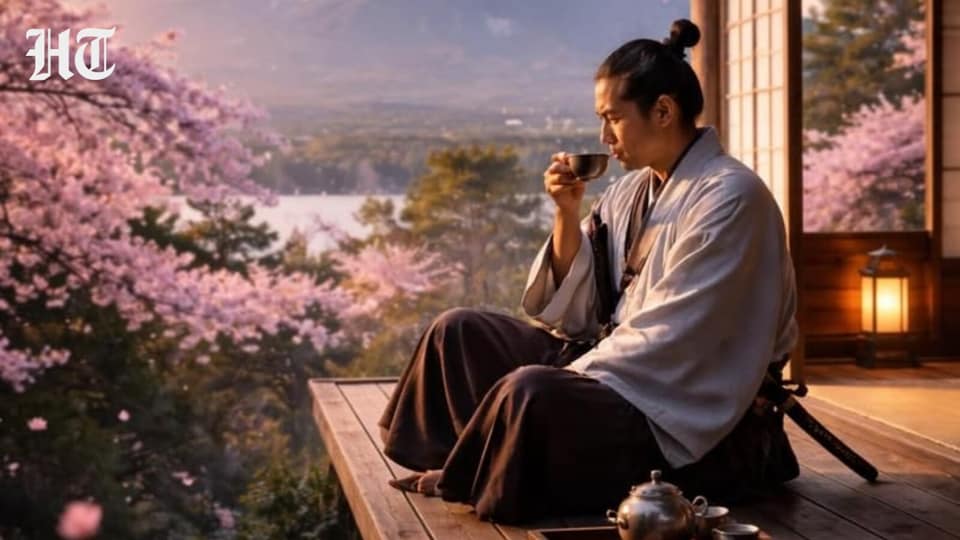
You have probably experienced them without ever having a name for them. Here are beautiful Japanese emotions that offer a fresh way to understand everyday life.
Language does more than help you communicate. It also shapes how you understand your emotions and the world around you. Japanese is known for having words that capture deeply personal feelings and experiences that are difficult to express in English with just one word. These emotional concepts often reflect nature, relationships, silence, and the passing of time.
Even if there is no exact English translation, many of these feelings are universal. You have probably experienced them without ever having a name for them. Here are eight beautiful Japanese emotions that offer a fresh way to understand everyday life.
1. Mono no aware
Mono no aware is the gentle sadness that comes from knowing that everything beautiful is temporary. You appreciate a blooming flower, a meaningful conversation, or a special moment even more because you know it will not last forever. Instead of making life feel bleak, this awareness helps you cherish the present.
2. Komorebi
Komorebi is the word for sunlight shining through the gaps between tree leaves. It reminds you that beauty can exist because of obstacles, not despite them. Sometimes the most peaceful moments appear only after life creates space for them through challenges or change.
3. Yūgen
Yūgen is the quiet feeling of depth that cannot easily be explained. It is the emotion you experience when something moves you deeply, yet words seem too small to describe it. Rather than searching for an explanation, you allow yourself to feel it.
4. Ma
Ma is the idea that meaning exists in the pause. Whether it is silence during a conversation, the space between two notes in music, or a quiet moment to breathe, these pauses are seen as valuable rather than empty. Sometimes what is not said carries just as much meaning as what is spoken.
ALSO READ: 12 things mentally strong people avoid doing, according to psychology and human behavior
5. Shizukesa
Shizukesa refers to a deep and meaningful stillness. It is not simply the absence of noise. It is the kind of silence that feels comforting, peaceful, and full of presence. In a busy world, these quiet moments can help you reconnect with yourself.
6. Hakanai
Hakanai celebrates beauty because it is fleeting. It encourages you to see fragility not as weakness, but as something precious. A sunset, a childhood memory, or a changing season becomes more meaningful because it cannot be held onto forever.
7. Yohaku
Yohaku refers to the empty space that gives meaning to everything around it. It suggests that what remains unsaid can be just as powerful as spoken words. Whether in art, conversation, or daily life, leaving room for reflection can create deeper understanding.
8. Wabi-Sabi
Wabi-Sabi is the acceptance that nothing is perfect, permanent, or complete. Instead of chasing flawless outcomes, you learn to appreciate life's imperfections and constant changes. This perspective encourages gratitude for things exactly as they are, finding quiet beauty in reality instead of resisting it.
These Japanese concepts remind you that not every feeling needs to be translated to be deeply understood.
ALSO READ: 6 psychological tricks your brain uses to fool you without you even realizing it
Disclaimer: The content in this article is intended for informational and cultural interest purposes only. Interpretations of Japanese emotional concepts may vary depending on cultural, historical, and linguistic context.