
 E-Paper



Punjab’s sex ratio at birth improves, but still below national average
Child sex ratio at birth in Punjab increased to 904 from 860 in 2015-16 while the latest national average for the same is 929, reveals latest National Family Health Survey

 Prefer HTon Google


Sex ratio at birth in Punjab witnessed an improvement in the last five years even as it continues to remain below the national average, reveal the findings of the National Family Health Survey (NFHS 2020-21).
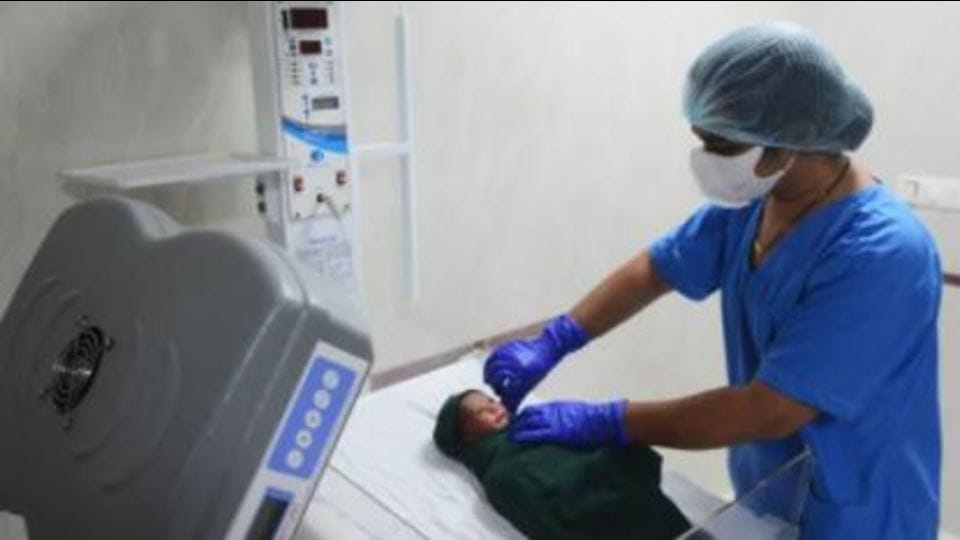
The state’s child sex ratio at birth increased to 904 from 860 in 2015-16 while the latest national average for the same is 929.
According to the survey, the sex ratio at birth is 858 in urban pockets and 931 in rural areas of Punjab. Also, the state improved its overall sex ratio (females per 1,000 males) from 905 in 2015-16 to 938 against the country’s overall figure of 1,020.
However, the state fared badly in terms of certain indicators vis-à-vis women empowerment. The percentage of women married before 18 in the state went up to 8.7% from 7.6% in the previous survey. Similarly, the percentage of women in the 15-19 age group, who were already mothers at the time of the survey, also increased to 3.1% against the earlier 2.5%.
The adolescent fertility rate for women aged 15 to 19 increased to 21% from 20%.
Institutional deliveries go up
The state improved further in institutional births with the fresh survey revealing that 94.3% of the deliveries held in the institutions as compared to 90.5% in 2015-16. The percentage of deliveries via caesarean section also increased sharply to 38.5% from 24.6% in the previous survey.
Private healthcare centres facilitated more C-section deliveries (15.8%) as compared to 12.1% in public health facilities. Besides, the average out-of-pocket expenditure per delivery also went up from ₹1,890 to ₹3,745.
Obesity among women increases
The survey found that the ratio of overweight or obese women increased to 40.8% as compared to 31.3% in the previous survey. On the other hand, it increased to 32.2% against 27.8% among men.
Due to the pandemic outbreak, the phase 2 fieldwork for the survey was conducted in two parts. In Punjab, it was conducted by the Society for Promotion of Youth and Masses from January 5, 2020, to March 21, 2020, before the lockdown and from December 6, 2020, to March 31, 2021, after the lockdown.


