
 E-Paper



Spice of Life | Kapurthala chronicles: An untapped tourism goldmine
Curated experiences, such as heritage walks, light and sound shows, and royal-themed events, can bring history alive. If sites are converted into boutique hotels and the infrastructure is upgraded, Kapurthala can rival destinations like Jaipur and Mysuru.

 Prefer HTon Google


The clouds heavy with unshed rain gathered in the sky as two vans rolled forward carrying a group of literary enthusiasts, befittingly named, Bookworms Jalandhar. Having immersed themselves in the glossy pages of a coffee table book titled, Prince, Patron and Patriarch, the book lovers had uncovered a forgotten world, the kingdom of Maharaja Jagatjit Singh that had once thrived in their very own neighbourhood, Kapurthala.
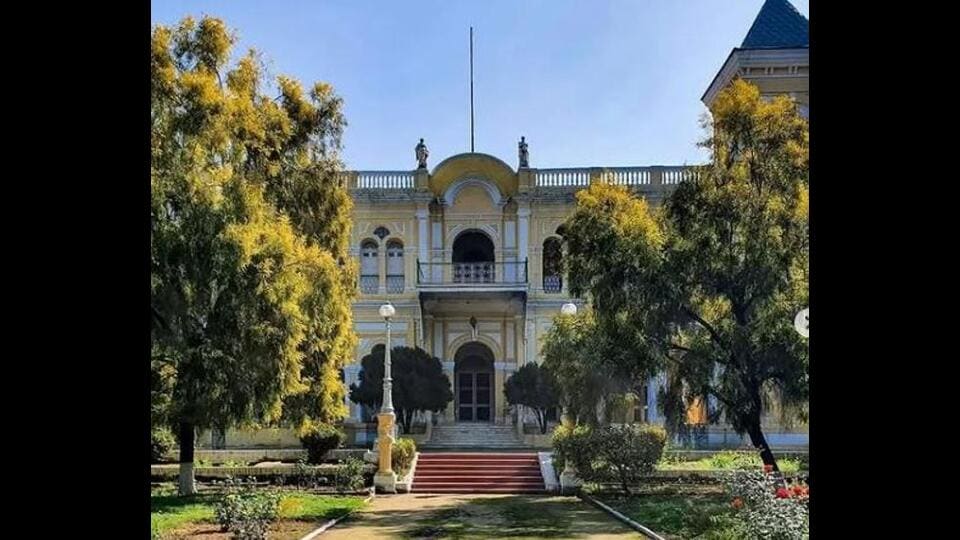
This journey was to begin with an exclusive visit to the enchanting Villa Buona Vista, that once served as a hunting lodge for the Maharaja, and till date is Kapurthala’s best kept secret. The book club members, each with a discerning eye, could appreciate the exquisite furnishings and numerous artefacts gathered from his extensive travels from around the world.
After an animated interaction with their hosts and high tea in the villa’s verandah, it was time to move forward to explore the city. One couldn’t help but cast a last, wistful glance at this architectural marvel that has witnessed tales of royalty and valour which have gradually faded into obscurity.
An episode that reveals how deeply Maharaja’s subjects adored him was narrated by a historian, especially for the bookworms. The day the Kapurthala state declared its accession to India in 1947, the king addressed a gathering of about 10,000 citizens in the majestic Durbar Hall. As the royal flag of Kapurthala State behind him was lowered, courtiers, soldiers, officials, and ordinary citizens witnessed their world change overnight. People sobbed uncontrollably as they looked at the monarch who had given them roads, schools, hospitals, and dignity.
The same Durbar Hall has been restored and stands tall even today. Passing through the intricately carved massive wooden door, we are greeted by an opulent hall with high-vaulted ceilings and majestic arches. This was the place where princely orders were given, alliances were forged and justice was pronounced for decades.
While making our way out, it was easy to overlook a legendary cannon. But this is no ordinary relic — it is the very cannon the British used to defeat Wajid Ali Shah of Awadh. Imagine the profound impact this relic would have on schoolchildren, connecting them to a pivotal moment from the past in a way no textbook ever could.
Our next stop is a masterpiece that defies distance and time, and stands as a proof of the secular values of the erstwhile ruler: The Moorish Mosque, a breathtaking monument. If you chase stories in stone and soul, this hidden marvel is waiting to be discovered.
Next, we explored Gol Kothi, which is being revitalised and poised to house a restaurant.
At the end of the day, we headed back home with our hearts full, many of us pondering over the immense potential to position Kapurthala as a cultural tourism hotspot in India. Curated experiences, such as heritage walks, light and sound shows, and royal-themed events, can bring history alive. If heritage sites are converted into boutique hotels and the infrastructure is upgraded, Kapurthala can rival destinations like Jaipur and Mysuru.
The clean-up of Kanjli Lake can turn it into a tranquil setting for birdwatching.
Till that happens, there’s nothing to prevent us from paying a visit to these unexplored treasures in our backyard.
rupymand@gmail.com
The writer is a Jalandhar-based freelance contributor


