
 E-Paper



Stubble burning hurting Punjab more than Delhi, finds PAU report
The PAU report underscores that stubble burning smoke is not travelling 300-400km to choke Delhi, rather the farmers are harming their own children and brethren by setting their fields on fire

 Prefer HTon Google


Backing the Union ministry’s claim that stubble burning is not a major contributor to pollution in Delhi, Punjab Agricultural University experts say stubble burning had affected the air quality in Punjab more than that of the national capital.
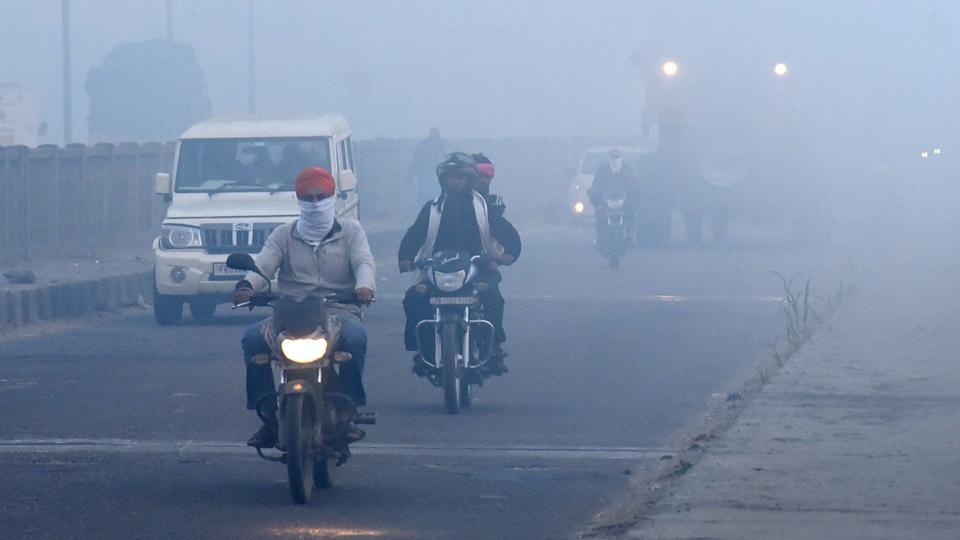
The varsity’s wind analysis report, which was submitted by climate change and agriculture meteorology department head Dr Prabhjyot Kaur Sidhu, says the wind speed had exceeded 5km per hour only on three days between October 1 and November 15, and had remained below 2-3km per hour for the remaining days. “In the circumstances, it is unlikely that the smoke travelled 300km and polluted Delhi,” she said, adding that the smoke had raised the pollution level in Punjab more than Delhi.
“It was on October 23, 24 and November 2 that the wind speed was found to be over 5km. On the remaining days, when the wind speed was below 2km per hour, photochemical smog was seen locally,” said Sidhu.
Photochemical smog is produced when ultraviolet rays from the sun react with nitrogen oxide in the atmosphere. “It is visible as a brown haze, and is most prominent in the morning and afternoon. Earlier, it was only seen in densely populated cities with high-emission levels, but nowadays it is being witnessed in the villages in Malwa region as well,” she said
“In layman’s terms, Punjab’s smoke is not travelling 300-400km to choke Delhi’s lungs, rather the farmers are harming their own children and brethren by setting their fields on fire,” said Sidhu.
In 2019 and 2020, Ludhiana’s air quality index on Diwali was at 263 and 346 points. However, this year, it crossed 400 points, as per an air-quality website. However, the Central Pollution Control Board website showed the peak pollution level at 293 points.


