
 E-Paper



Scrolling before sleep? Neurosurgeon Dr Anurup Saha reveals what it does to your brain and how to break the habit

 Prefer HTon Google


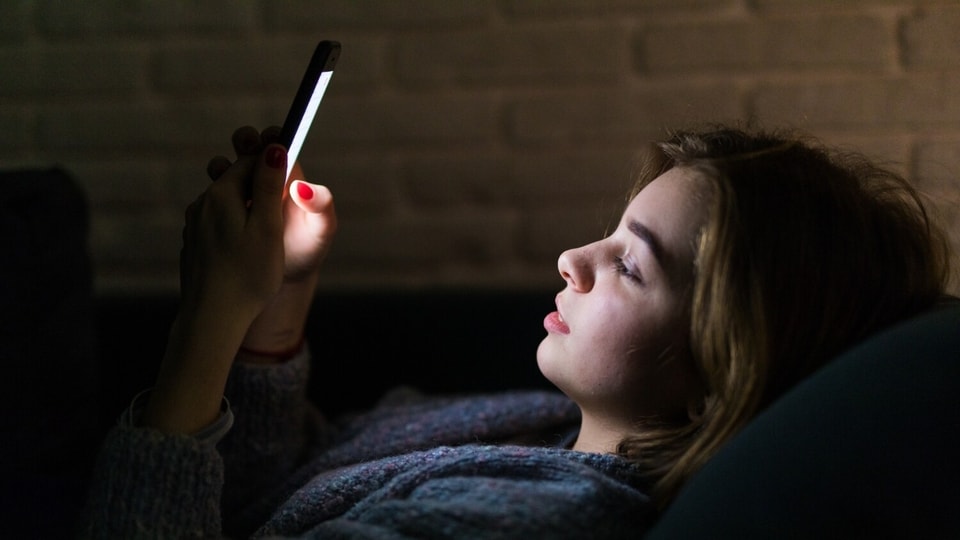
From brain fog to morning headache: Learn from an expert how phone exposure in bed may worsen your sleep health and the health in long-term.
Does your bedtime routine feel incomplete without a quick scroll? A quick glimpse through your feed: laugh along with some cat memes, nod to some witty thoughts and vibe to some edits, and the next night you repeat.
ALSO READ: How to relax better after work? Fitness coach recommends yoga for better sleep
Scrolling is low-effort and caters perfectly to your need for relaxation without requiring too much cognitive effort, unlike solving puzzles or reading books. But this shortcut may be costing you heavily. As you lose track of time, five minutes of scrolling can quickly begin to eat into your bedtime. Let's hear from an expert about the potential neurological repercussions of this habit and how you can manage it.
And if you think you can compensate for this behaviour by sleeping longer, you may be mistaken. Let's understand from a neurological perspective how bedtime scrolling affects your brain.
Dr Anurup Saha, consultant neurosurgeon at Manipal Hospitals, Siliguri, cautioned against assuming that sleeping longer can undo the effects of late-night scrolling.
In fact, sleep is unfortunately taken for granted, despite its extensive, exhaustive benefits.
Dr Saha explained,“Sleep is important for the human brain and oversees processing new information, organising memories, repairing cells, regulating moods, and eliminating toxic substances that have accumulated throughout the day.”
There are many physiological and neurological processes as you are sleeping. So your brain does not switch off when you fall asleep. Your brain carries out several essential processes as you sleep. These processes help you recover from the day, making quality, timely sleep absolutely non-negotiable.
Why does scrolling before bed make it harder to sleep?
You will see that you have trouble falling asleep when you use your phone too much before bed. There's an actual scientific reason behind this.
The neurosurgeon described, “When we continue scrolling through social media, watching videos, or responding to messages late at night, the brain remains mentally stimulated instead of winding down. At the same time, the blue light emitted by digital screens suppresses melatonin—the hormone that signals the body that it is time to sleep. Due to this, people take longer to fall asleep and often experience poorer-quality sleep.”
So, phone use puts your body in an unnatural state. As the expert confirmed, your internal clock naturally slows down in the evening, but blue light from screens forces the brain to remain alert. This may leave you restless in bed and unrefreshed the next morning, even after seven or eight hours of sleep.
How does poor sleep affect the brain?

You may experience both cognitive and emotional effects from not getting enough sleep.
Breaking down what may go wrong cognitively, the expert emphasised, “Lack of sleep can impede memory consolidation, making it more difficult to remember previously taught activities or retain new knowledge. Also, it can reduce attention spans, impair response times, interfere with decision-making, and make it harder to focus on work or when studying.”
Emotionally, insufficient sleep may make it harder to regulate your mood and cope with everyday pressure. Dr Saha explained, “Those who don't get enough sleep might feel more agitated, nervous or stressed. Brain fog, a state of mental sluggishness that makes everyday tasks feel more difficult, is also a common complaint.”
Physically, you may also experience headaches. Worse, the expert noted that migraines may intensify when you get less sleep.
Who is most affected?
People who stay up late may be under the illusion that they are gaining extra hours, while others may do so because of work or personal obligations. The neurosurgeon identified young people, college students, working professionals, gamers and late-shift workers as particularly vulnerable to developing unhealthy bedtime screen habits.
“Teenagers' biological sleep clocks regularly shift during adolescence. Long-term late-night screen time can further impede sleep, which can impact daytime focus, mental health, and academic achievement,” Dr Saha stated the reasons why vulnerable groups stay up. “Professionals who stay up late reading their emails or participating in online meetings might find it difficult to mentally unplug, which can result in ongoing exhaustion and decreased output.”
What are the signs that your bedtime screen habit may be affecting your brain?
Your body will let you know if you are not sleeping enough. As per the expert, here are the signs:
- Difficulty falling asleep despite feeling tired
2. Frequent waking during the night
3. Feeling unrefreshed after waking up
4. Morning headaches
5. Poor concentration or forgetfulness
6. Reduced productivity during the day
7. Mood swings, irritability, or increased anxiety
8. Excessive daytime sleepiness
If these symptoms continue for several weeks despite maintaining a healthy sleep routine, it is advisable to consult a neurologist or sleep specialist for further evaluation.
How to prevent a digital-heavy pre-bedtime routine?
Dr Saha recommended following habits to protect your sleep and brain health:
- Keep your phone outside the bedroom to avoid unnecessary alerts and the temptation to scroll.
- Avoid screens for at least 30 to 60 minutes before going to bed.
- Follow a consistent sleep schedule, even on weekends.
- Replace scrolling with calming activities such as reading a book, meditating, practising deep breathing or doing gentle stretches.
- Listen to relaxing music to help your brain gradually prepare for sleep.
More about the expert
Dr Anurup Saha has over eight years of experience. His areas of proficiency include Craniotomy, Ventriculoperitoneal (VP) Shunting, Cerebral Angioplasty, Microvascular Clipping, Trauma Surgery, and Brain and Spinal Tumour Surgeries.
Note to readers: This article is for informational purposes only and not a substitute for professional medical advice. Always seek the advice of your doctor with any questions about a medical condition.


Catch your daily dose of Fashion, Taylor Swift, Health, Festivals, Travel, Relationship, Recipe and all the other Latest Lifestyle News on Hindustan Times Website and APPs.


