
 E-Paper



Stubble burning: NGT seeks answers on paddy straw management on farms
A bench of NGT chairperson Justice Prakash Shrivastava said the tribunal had sought specific information about in-situ management of paddy crop residue as it was a “critical method”, involving the removal of the leftover stubble and paddy roots with the help of machines.


The National Green Tribunal (NGT) has posed several questions to Punjab about the management of paddy straw on farms instead of being shifted elsewhere. The NGT was hearing a matter regarding stubble burning in the state, which is often blamed for air pollution, especially in the national capital during winter.
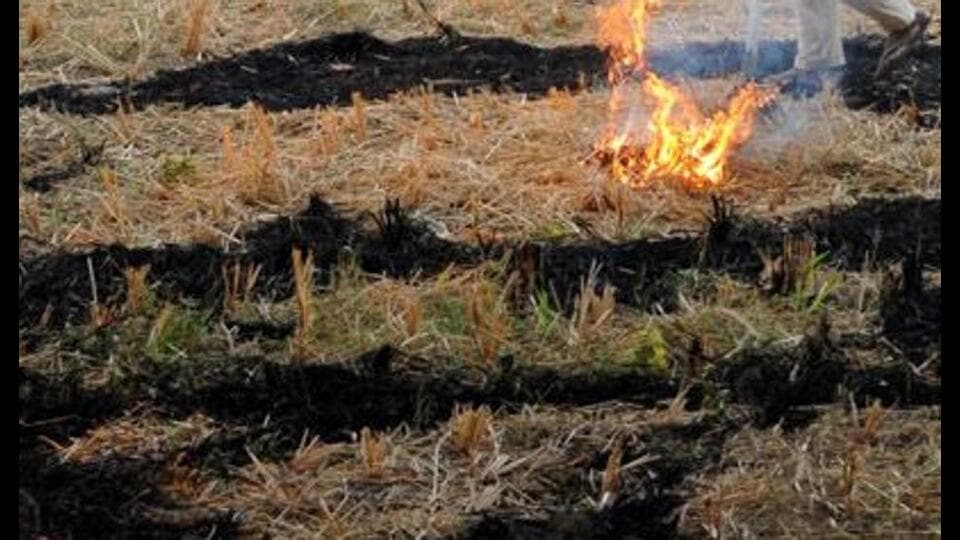
A bench of NGT chairperson Justice Prakash Shrivastava said the tribunal had sought specific information about in-situ management of paddy crop residue as it was a “critical method”, involving the removal of the leftover stubble and paddy roots with the help of machines. The in-situ management of stubble is primarily done with machines.
“To address this issue, the state government has informed that in 2023, 11.50-million-tonne paddy straw was estimated to be managed by various in-situ methods,” said the bench, also comprising judicial member Justice AK Tyagi and expert member A Senthil Vel.
In an order passed last week, the bench had said the state government’s report did not disclose certain aspects about the in-situ management. “The counsel for Punjab is informed that adequate work for the in-situ management is lacking. The state has yet to take concrete and focused steps to address the issue relating to in-situ management of leftover stubble in the farms,” the tribunal said.
It directed the state government to provide information like type and availability of machines that would cater to the total area under paddy cultivation (35,43,580.56 hectares) during 2023–2024. The tribunal also sought details of district and village-wise locations as well as agencies with which the machines would be available and whether the information would be displayed on any portal or platform of the state government.
It also asked for the details of rentals or any other procurement method by which farmers can get these machines, besides information about the nodal agencies and officials responsible for implementing and monitoring the programme.


