Sign in

The last princesses of Punjab | Sophia: Princess who turned into a political force

The Last Princesses of Punjab, an exhibition that opened on March 26, unearths the poignant saga of the descendants of Maharaja Ranjit Singh, the Lion of Punjab.

Published on: Apr 10, 2026, 08:46:09 IST
By , London
Share
Share via
  • facebook
  • twitter
  • linkedin
  • whatsapp
Copy link
  • copy link

In a striking historical irony, Kensington Palace, once home to Queen Victoria, is currently hosting a tribute to Punjab’s royal family her Empire deposed 177 years ago.

A signed image of Princess Sophia Duleep Singh in 1916, by Elliott & Fry ( Peter Bance collection) .

The Last Princesses of Punjab, an exhibition that opened on March 26, unearths the poignant saga of the descendants of Maharaja Ranjit Singh, the Lion of Punjab. Through a mélange of sepia-toned photographs, rare royal artefacts and priceless heirlooms, it traces the lives of the children of Maharaja Duleep Singh, Ranjit’s youngest son and the last ruler of Sikh empire, who was exiled to England in 1849 after the British annexation of his Khalsa empire.
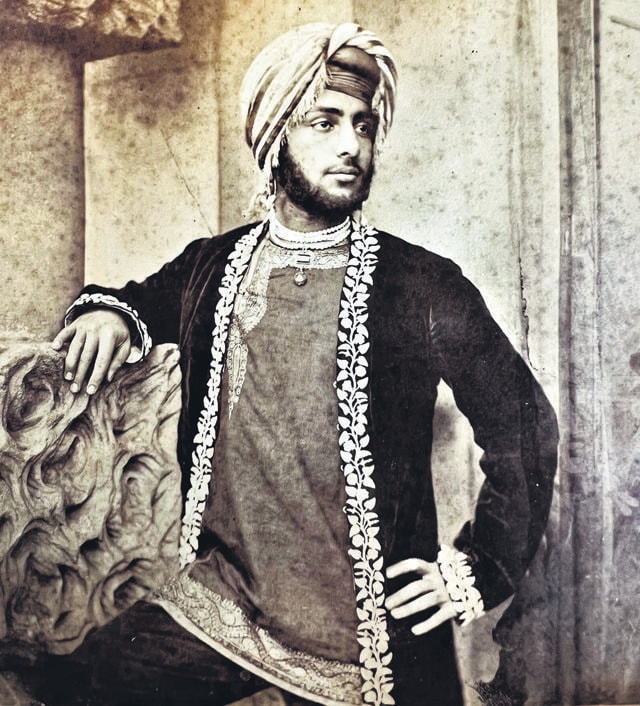
A 17-year-old Maharaja Duleep Singh, photographed by Prince Consort at Osborne House in 1855 (National Army Museum)

Raised at Elveden Hall, his daughters Sophia, Bamba, and Catherine navigated a complex world shaped by their Punjabi royalty and their mother Bamba Müller’s Ethiopian-German roots.
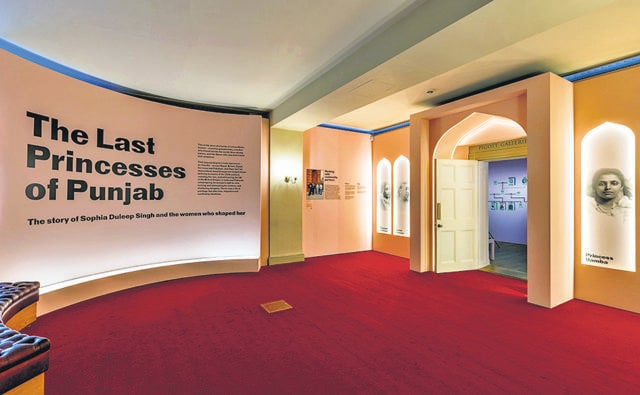
Entrance to the exhibition ‘The last princesses of Punjab’ at Kensington Palace in London.

British Sikh art collector-researcher Peter Bance calls the exhibition a “labour of love.” As the author of the book, The Last Royals of Lahore, to be unveiled in India on April 10, Bance focuses on the “correct preservation, restoration, and documentation” of Anglo-Punjab history. The London display explores the story of Sophia Duleep Singh and the women who shaped her journey, examining themes of courage, identity, and resistance.

Princesses Catherine, Bamba and Sophia Duleep Singh at their formal presentation at Royal Court in London on May 8,1895, by H Vander Weyde ( Peter Bance collection)

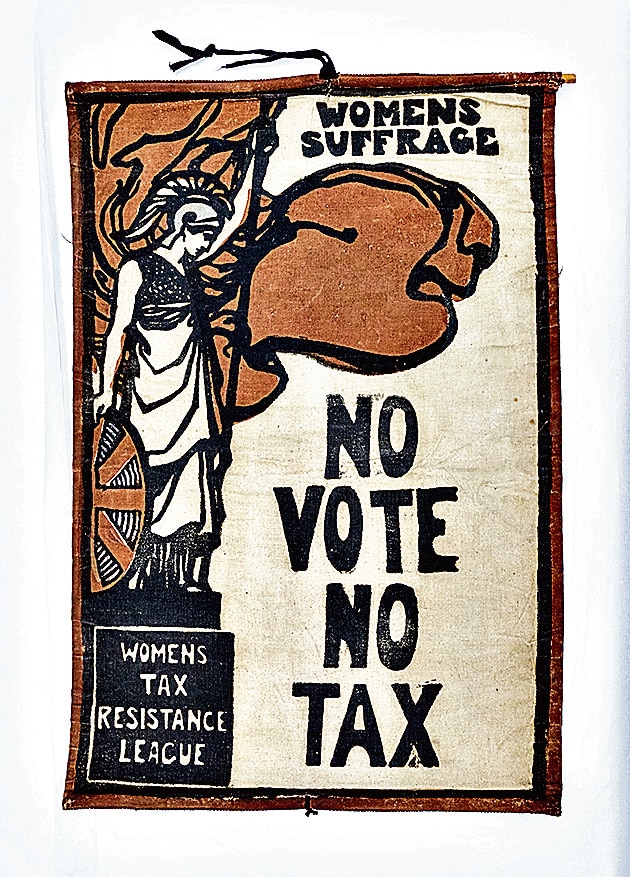
While Queen Victoria served as godmother to Sophia and provided financial guidance after Duleep Singh abandoned the family, the sisters forged radically independent paths. Princess Sophia became a pioneering suffragette voice at Hampton Court Palace. Her ‘No Vote, No Tax’ banners and a handwritten letter to Winston Churchill describing police brutality are central to the exhibition.
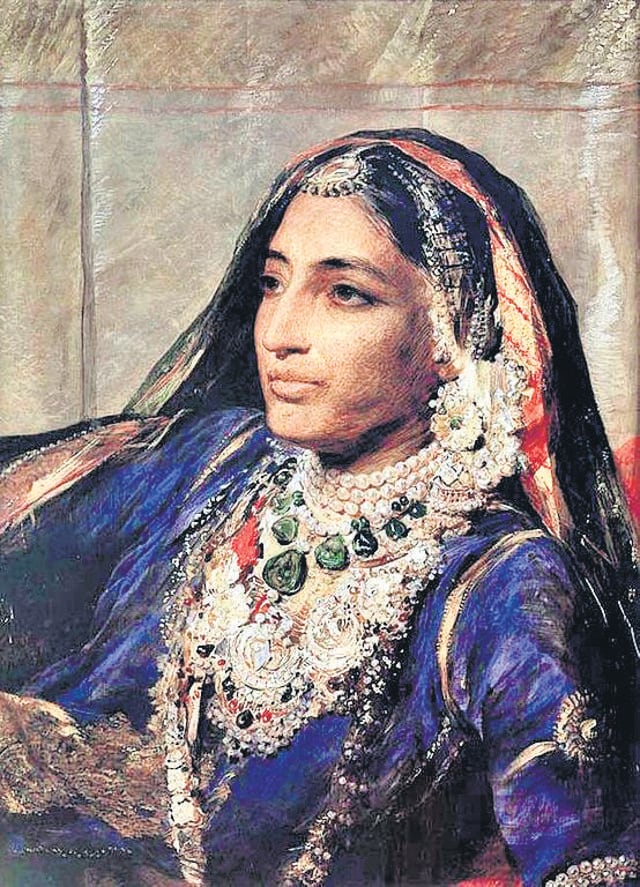
Portrait of Maharani Jind Kaur, the wife of Maharaja Ranjit Singh. Painted in 1863 by British artist George Richmond and commissioned by her son, Maharaja Duleep Singh. (Dr Kapany collection)

The exhibition, open until November 8, 2026, also covers Princess Bamba, who sought to reconnect with her Punjabi heritage through her writings, and Princess Catherine, who quietly supported Jewish refugees fleeing Nazi Germany by offering them shelter in England.
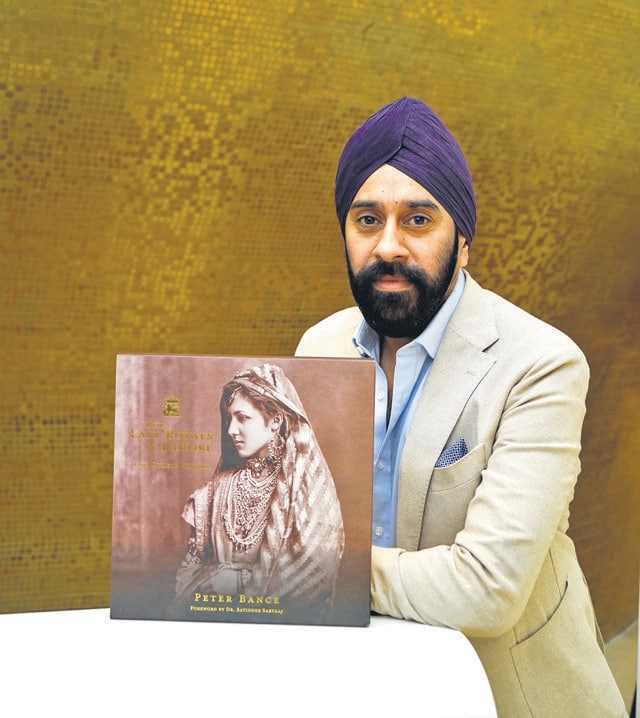
British art collector Peter Bance with his new book ‘ The last royals of Lahore’

A crowning highlight is the portrait of their grandmother, Maharani Jind Kaur, reunited with her original jewellery for the first time in over a century. Together, these stories present a powerful portrait of resilience and the lasting impact of the extraordinary women of the Sikh Empire, a legacy that continues to resonate more than a century and a half later.
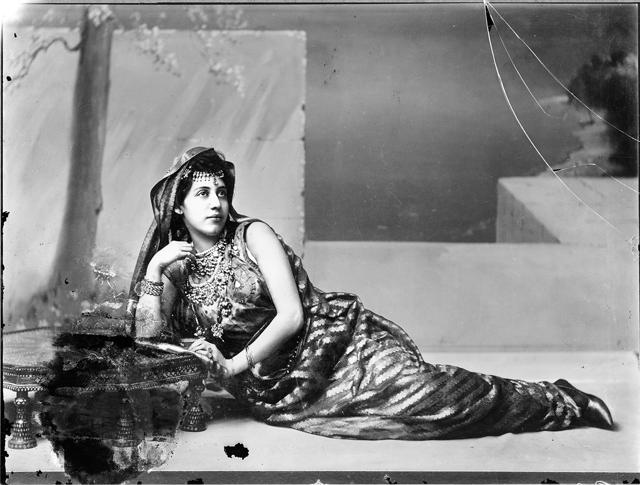
Princess Sophia Duleep Singh in sari ( 1895) (image credit : Elliot & Fry ( Peter Bance collection))
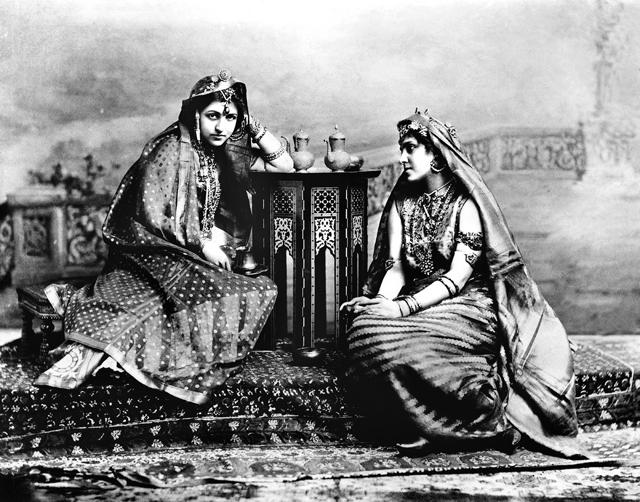
Princess Catherine and Princess Bamba in the studio of Lafayette, London, in 1900. (V & A museum)
The ‘No Vote, No Tax’ banner from the 1908 suffrage movement in which Princess Sophia played a leading role and was summoned to court for refusing to pay her taxes three times. (Museum of London)
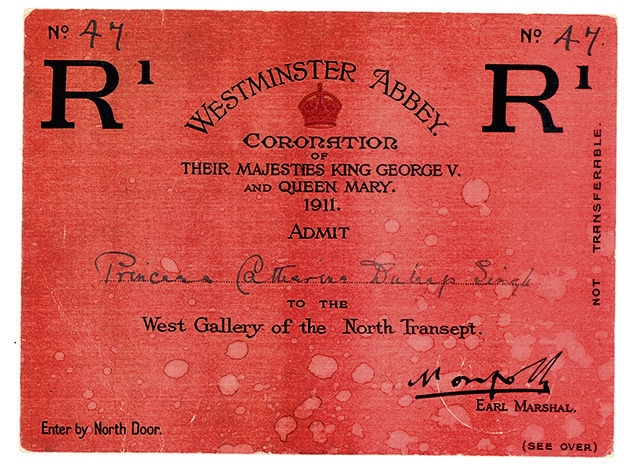
Princess Catherine Duleep Singh’s invitation to the coronation of King George V and Queen Mary at Westminster Abhey in London in 1911.
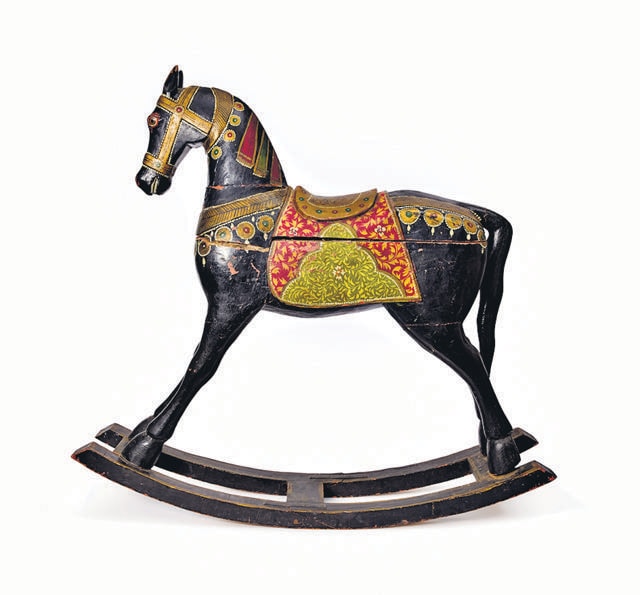
A wooden rocking horse from Elveden Hall, the Suffolk estate of Maharaja Duleep Singh (1838–93). It was made in India.
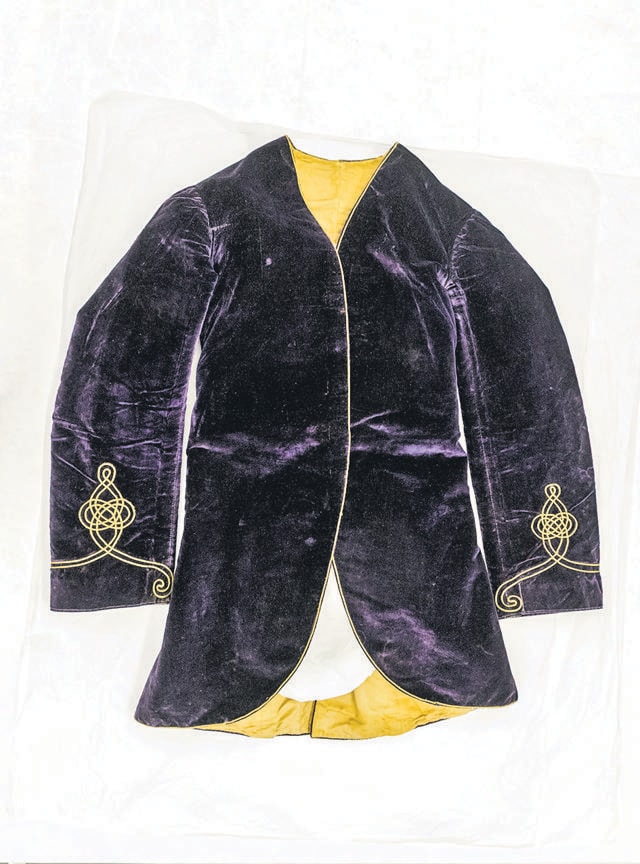
A gold embroidered velvet jacket of Maharaja Duleep Singh ( Peter Bance collection)
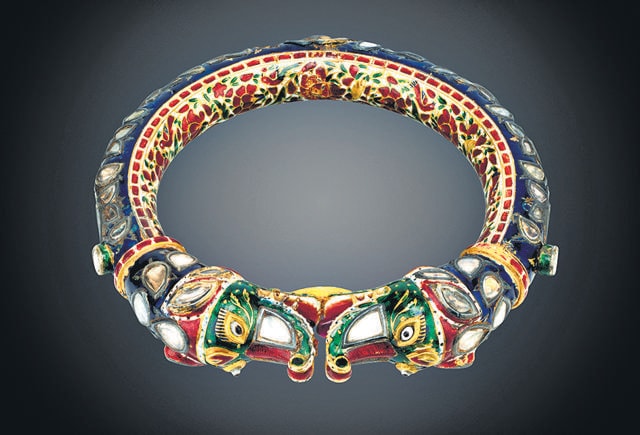
Maharani Jind Kaur’s enamelled gold bracelet set with white sapphires and foiled rubies, her pendent earrings, probably made in Lahore, in the first half of the 19th century ( Toor collection)
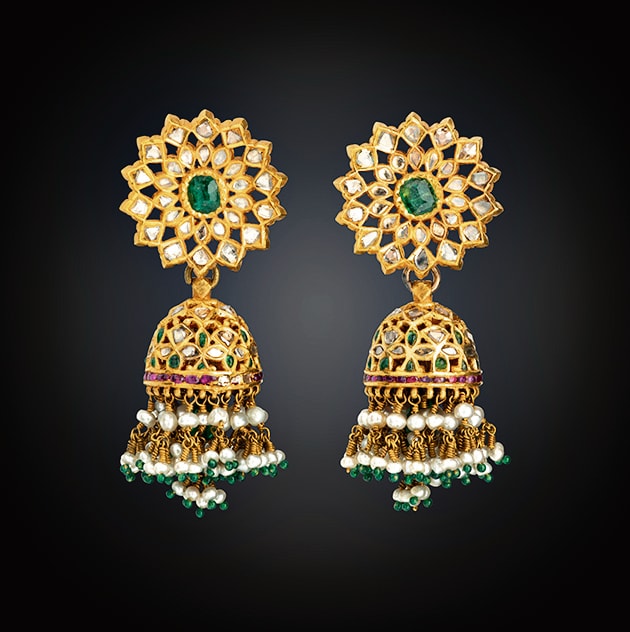
Maharani Jind Kaur’s pendent earrings ( Toor collection)
  • Ramesh Vinayak
    ABOUT THE AUTHOR
    Ramesh Vinayak

    A journalist of over 35 years standing, Ramesh Vinayak is Executive Editor of Hindustan Times at Chandigarh He specialises in covering the north Indian territory of Punjab, Haryana, Himachal Pradesh, Jammu and Kashmir and Ladakh, besides the Punjabi diaspora.Read More