E-Paper



Weather disasters: Need for coordination between first responders and Met, say experts
The need for better coordination was raised by Santosh Kumar, NDRF commandant, Bathinda, who spoke about the force’s efforts during the intense rain spells in July

 Prefer HTon Google


Better coordination is needed between the first responders and meteorologists in situations. This was one of the conclusions drawn at an interactive session organised by the India Meteorological Department (IMD) in collaboration with the World Meteorological Organisation (WMO) regarding the flash flood guidance system installed in 2020.
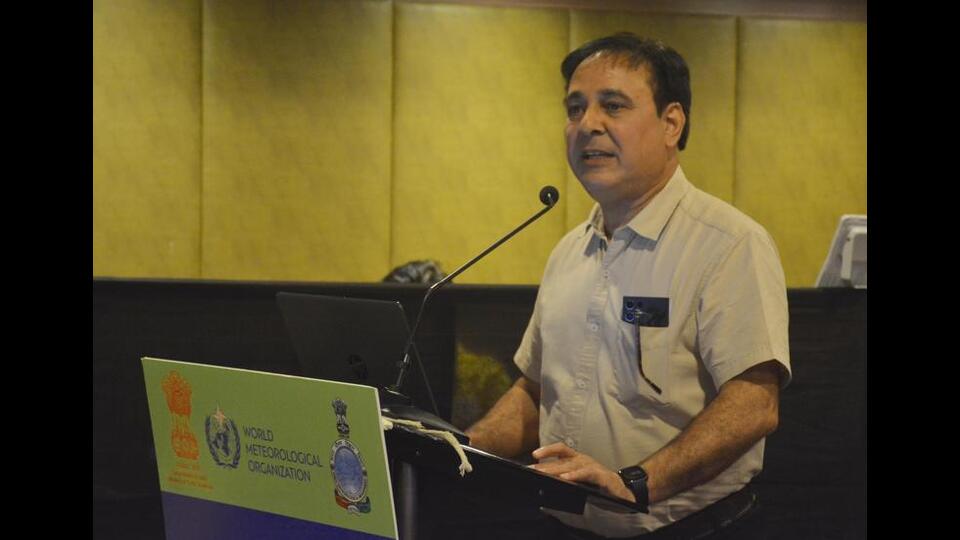
Apart from Met officials, others in attendance included officials from the National Disaster Response Force (NDRF), Central Water Commission (CWC), national and state disaster management authorities, and officials and engineers from various departments, including Bhakra Beas Management Board and Mahatma Gandhi State Institute of Public Administration, Punjab.
The need for better coordination was raised by Santosh Kumar, NDRF commandant, Bathinda, who spoke about the force’s efforts during the intense rain spells in July.
Officials from WMO said they came to know about flash flood activities from the community or the press and not from the responders itself. On this, Kumar suggested that a WhatsApp group could be formed for all stakeholders to share inputs, while IMD already has a crowd sourcing programme for the average citizen to submit any weather observations.
WMO certified meteorologist and IMD scientist Asok Raja explained that radars, satellite and hydrological models were among the tools used to predict flash floods.
He added that currently, warnings could be sent six hours prior to such an event. IMD offers forecasts by interpolating values for up to 72 hours. By taking water level values from the CWC, detailed alerts can be prepared for flooding by IMD.
While officials from Punjab questioned why the exact location of floods can’t be shared, the Met officials explained that the forecasts were issued for units called watersheds that measure around 4 km by 4 km area.
Chandigarh has 16 such units and the warnings were issued by comparing these with a district-level map. IMD Chandigarh issues tehsil-level nowcast for the region and in the future aims to issue forecasts up to village level.
Rahul Saxena, a scientist at IMD New Delhi, further explained the rain phenomena that was observed in July. He said though the rain was above normal, it was a cyclical process and did not mean that the values will stay high in future as well. He further added that people should be careful while talking about rain phenomena and how the word cloudburst was thrown around during such occasions, but it’s rarely the case.