
 E-Paper



2 years of Delhi’s animal welfare board, but nothing to show for it
The Pet Shop Rules, 2018, require all shops in the city selling animals to register with the state board, which must inspect the living conditions of animals and maintain sale-purchase records. The Dog Breeding Rules, 2017, similarly mandate registration of breeders and at least one inspection per year.Yet, no such registration has taken place.


Formed in April 2023 with the promise of transforming animal welfare in the national capital, the Delhi State Animal Welfare Board (DAWB) has been a little more than a paper tiger. More than two years on, the board has failed to register even a single pet shop or dog breeder — one of its primary mandates — even as complaints against unregulated operators continue to pile up.
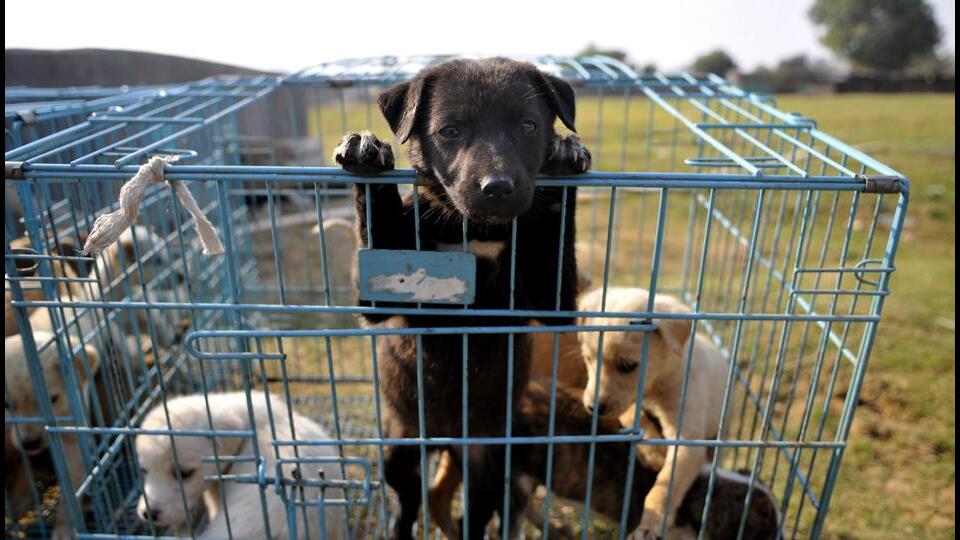
Announced by then environment minister Gopal Rai, the 27-member board is chaired by the minister of animal husbandry and includes MLAs, municipal officials, veterinary experts, and gaushala (cow shelter) representatives. After two initial meetings in April and July last year, the board met only once again — in September 2024, and even that meeting was held following directions from the Delhi high court.
“After the initial two meetings, the September meeting was again held only because the high court stepped in. Then meeting was scheduled in October, which never took place,” said Asher Jesudoss, an animal welfare activist whose 2022 plea in court led to DAWB’s formation. Jesudoss, who was later appointed to the board, said DAWB has been rendered toothless by the “apathy and lethargy” of officials. “There isn’t even a helpline number or email address for citizens to contact the board.”
The Pet Shop Rules, 2018, require all shops in the city selling animals to register with the state board, which must inspect the living conditions of animals and maintain sale-purchase records. The Dog Breeding Rules, 2017, similarly mandate registration of breeders and at least one inspection per year.
Yet, no such registration has taken place.
Between April 6 and April 9, a team of 18 law students from the Animal Law Cell (ALC) at Delhi University’s Faculty of Law visited 34 pet shops across the city. They found a disturbing range of violations which included unweaned puppies being sold, goldfish crammed into glass bottles, the illegal sale of exotic star tortoises, and cramped, unsanitary cages housing both sick and healthy animals together. On May 12, they listed their findings in a report which was then submitted to the Delhi government.
On yet another front, the courts have repeatedly pulled up the government for its failure to act.
In November 2024,DAWB issued a public notice mandating that all pet shops and dog breeders register within a month. That deadline passed without a single application.
Then in December, the Delhi high court gave the board three months to complete the process and questioned the claim that there were no dog breeders in the city. A bench of then acting chief justice Vibhu Bakhru and justice Tushar Rao Gedela said it was “surprising” that no breeders had come forward, and asked the government to file an affidavit clarifying its stance.
The government’s submission, dated April 29, stated that the registration drive was “still in progress.” Over 100 pet shops had been inspected following complaints, and show-cause notices were issued to 56 of them. But yet again, it stated that not a single formal registration has taken place.
While conservative estimates by animal welfare activists believe there are between 300-500 pet shops in the Capital, this number does not include dog breeders, who often function from private premises. The animal husbandry department maintains no database of either of these establishments or breeders.
Pet shops can easily be opened after a registration with DAWB, followed by a license from the municipal body. Activists allege that the first step is hardly followed, and civic bodies, despite rules clearly stating to give permission only after DAWB’s registration, give a regular commercial licence to such shops.
“We haven’t received any fresh applications yet, but we are inspecting shops and taking action against violators,” said Satyavir Singh, director of the animal husbandry department and ex-officio member secretary of DAWB. He added that the board had not met this year because it was awaiting reconstitution of nominated members following the change in government in February. “Some members may be replaced, which is why we have not scheduled a meeting,” he said.
Activists, however, say the board has failed in both intent and execution.
“For the last 10 years, despite repeated court directions, the Delhi government has resisted forming a functional animal welfare board,” said Gauri Maulekhi, trustee at People for Animals (PFA). “Officers are lethargic, meetings are rare, and no decisions are taken. Even basic awareness campaigns have not been launched.”
The board was also tasked with improving the conditions of 77 government veterinary hospitals — a longstanding issue that prompted yet another plea in the high court in 2022. Little has changed.
“Nodal hospitals like the one in Masoodpur lack even syringes and gloves. Mobile veterinary units sanctioned by the Centre have been lying unused for more than three years. The national animal helpline number — 1962 — still doesn’t exist in Delhi,” said Jesudoss. “This lack of support actively discourages responsible pet care and adoption in the city.”
For now, DAWB remains a board in name alone — in a state of limbo between legal nudges, bureaucratic inertia, and a promise of reform that remains heartbreakingly unfulfilled.

Stay updated with all top Cities including, Bengaluru, Delhi, Mumbai and more across India. Stay informed on the latest happenings in World News along with Delhi Election 2025 and Delhi Election Result 2025 Live, New Delhi Election Result Live, Kalkaji Election Result Live at Hindustan Times.


