
 E-Paper



Water supply to be normal as Yamuna ammonia levels drop
Till late Thursday evening, the ammonia level recorded at Wazirabad pond was one part per million (ppm), affecting 10% of operations of the water treatment plant


The levels of industrial pollutants and ammonia have started receding in the Yamuna river after reaching five times the maximum treatable limit during the day, Delhi Jal Board (DJB) said Thursday.
Till late Thursday evening, the ammonia level recorded at Wazirabad pond was one part per million (ppm), affecting 10% of operations of the water treatment plant.
“The situation is getting better. The ammonia level was 5ppm and we have been observing a reverse trend, leading to the recovery of operations at Wazirabad, Chandrawal, and Okhla water treatment plants. The plants are operating at 90% level and if the same trend continues, the water supply will be restored to normal by Friday morning,” the DJB spokesperson said.
Throughout Thursday, 50% of operations of the water treatment plants were observed, he said.
In an advisory issued Wednesday evening, DJB had said that due to continuous discharge of a high level of pollutants from Haryana, the ammonia level in the Yamuna river at the Wazirabad barrage had increased and water production had been curtailed.
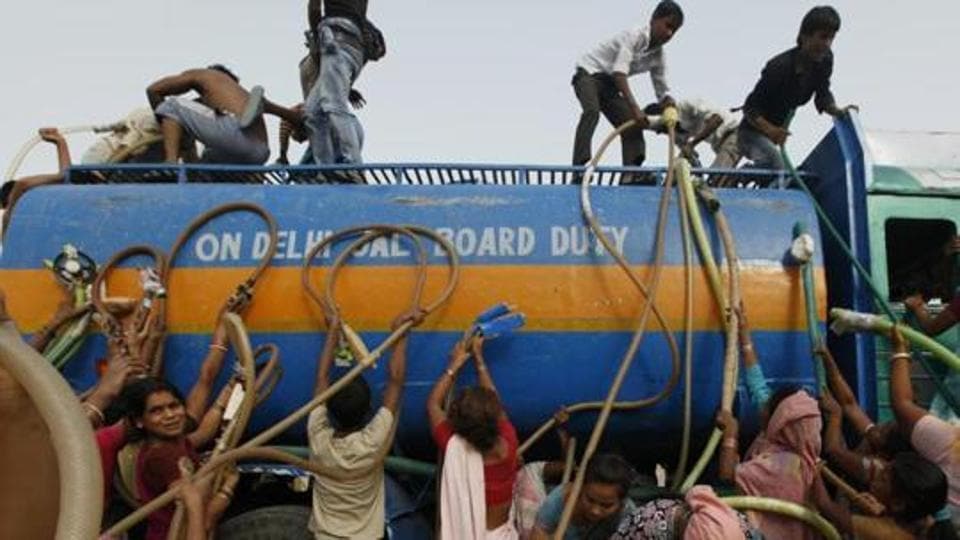
On Thursday, water supply was impacted in several areas including Civil Lines, Kamla Nagar, Karol Bagh, Kalkaji, Model Town, and several south Delhi localities.
Chetan Sharma, a resident of GK1 in south Delhi, said that the area witnessed disruption in the water supply on Thursday. “The water supply was very erratic. We have been hearing about the rising ammonia levels affecting the water supply for so many years. This issue is not heard of in other major cities. It is high time we expedite the technological upgrade of the water treatment plants,” he added.
DJB currently has the capacity to treat ammonia levels up to 0.9ppm, but a further rise leads to the generation of toxic Chloramine compounds, DJB officials said.
Manmohan Jha, a resident of the Shakkarpur area, said that the water supply in their locality was curtailed on both Wednesday and Thursday. “We did not get any water supply on two consecutive days and no prior warning was issued. How do we manage water in such a situation?” Jha asked.
Residents of Uttam Nagar, Kalkaji, Matiala, and Paharganj made similar complaints.
Out of the total 935 MGD [million gallons per day] of Delhi’s daily water supply-- over 230MGD is supplied by Chandrawal and Wazirabad plants--both of which draw water from the Wazirabad pond, which is fed by the Yamuna river.
While DJB has announced that it will install advanced ozonation plants at the water treatment facilities to increase the ammonia treatment capacity up to 4ppm, the project is still a work in progress.
An interstate dispute, the rise in ammonia and industrial pollutant levels in Yamuna water coming from Haryana has been a persistent problem in the Capital, with the matter being taken to the apex court annually. While DJB has alleged that the source of pollution lies upstream in Panipat industrial area, Haryana has denied these allegations.


