
 E-Paper



Harvard shares meditation techniques that have been part of spiritual traditions for centuries. Here's how

 Prefer HTon Google


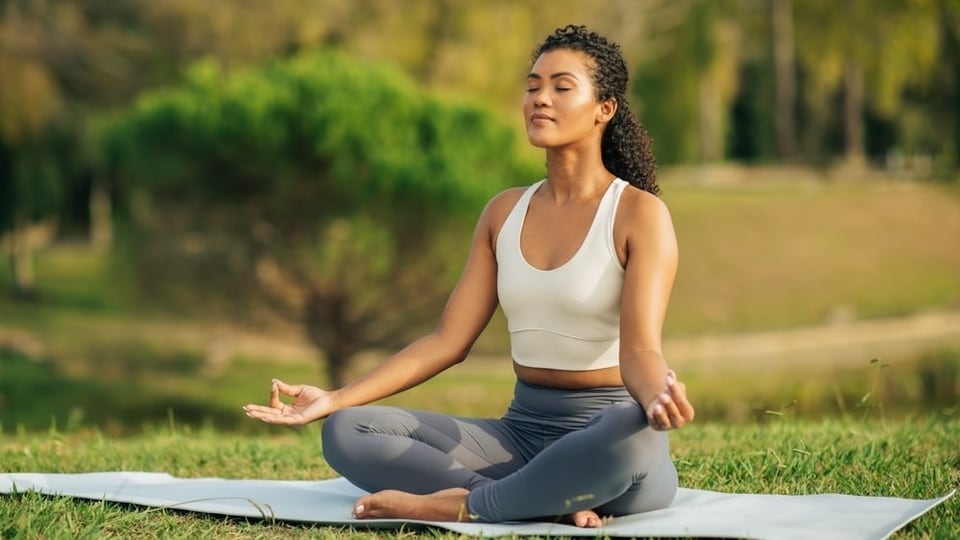
Harvard's latest guidance on meditation highlights what many traditions have taught for generations. Let's read how this ancient practice has a modern purpose.
Meditation is no longer seen as a practice reserved for monasteries or spiritual retreats. Today, doctors and researchers are also studying how it may support mental and physical well-being. A recent article published by Harvard Health Publishing explains that meditation can help you develop greater awareness of your thoughts and emotions while offering a practical way to manage everyday stress.
Although modern medicine continues to explore its benefits, meditation has been part of spiritual traditions across cultures for centuries. Practices found in Hinduism, Buddhism, Jainism and other traditions have long encouraged quiet reflection, breath awareness and inner stillness as a path toward greater balance.
What is meditation?
Meditation is a breathwork practice that helps you calm the mind, focus your attention, and connect more deeply with your breath and body.
You do not need special equipment or years of experience to begin. A simple meditation session may involve paying attention to your breathing, repeating a word or phrase known as a mantra, listening to a calming sound or focusing on a mental image.
Why are meditation and mindfulness not the same?
Many people use the words meditation and mindfulness interchangeably, but Harvard points out that they are different.
Mindfulness is the ability to stay present and notice your thoughts, emotions and surroundings without judging them. Meditation is the practice that helps you develop that awareness. In other words, mindfulness is the state you cultivate, while meditation is one way to get there.
Dr. Darshan Mehta, an assistant professor of medicine and psychiatry at Harvard Medical School, explains that meditation can also complement psychotherapy, medication, surgery, physical rehabilitation and other healthy lifestyle changes by helping people respond to stressful situations with greater awareness.
Also Read Why is transcendental meditation good for overcoming anxiety? According to a yogi’s teachings
How is meditation an ancient practice with a modern purpose?
Long before meditation became the subject of clinical studies, spiritual traditions had already embraced it as a way to quiet the mind and cultivate inner awareness. While the reasons for practising meditation may differ, whether for spiritual growth, emotional balance or stress management, the practice itself remains remarkably simple.
Harvard's latest guidance highlights what many traditions have taught for generations: taking a few quiet moments each day to focus your attention, observe your thoughts and connect with your breath can become a valuable part of your overall well-being.
Disclaimer: This article is for informational purposes only and does not constitute medical advice. Reader discretion is advised.


