E-Paper



Ammonia spike in Yamuna hits water supply in north Delhi areas
Pollution spike in Yamuna disrupts water supply in North Delhi, causing low pressure and contamination complaints. DJB advises judicious water use.

 Prefer HTon Google


A spike in pollutant levels and ammonia in the Yamuna has affected water treatment operations at the Wazirabad and Chandrawal water treatment plants, hitting water supply to several North Delhi areas, officials said on Sunday. Residents in the catchment areas of these plants complained about low water pressure and water contamination on Sunday.
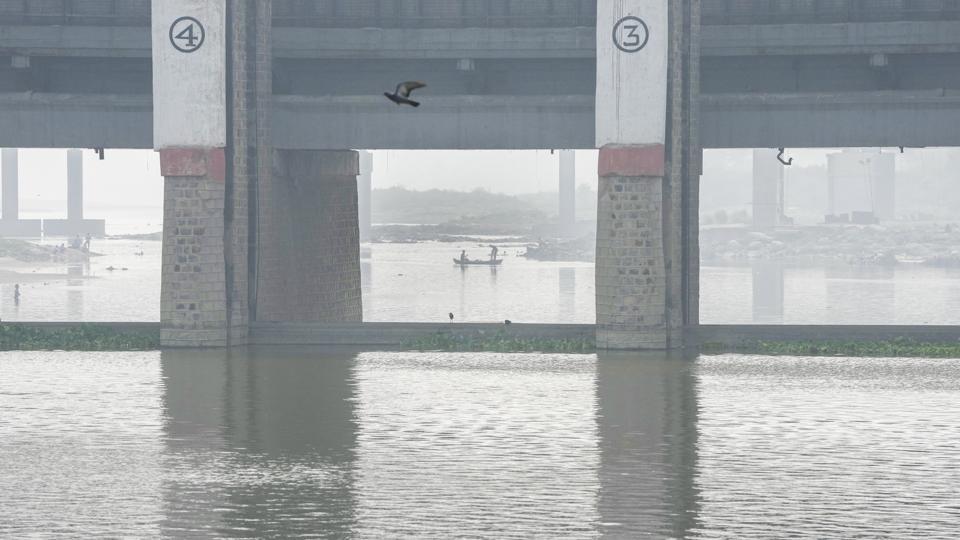
DJB officials said that the situation will only ease after the pollution level comes down. According to DJB, water supply will be available at low pressure till the situation improves. The areas likely to be affected are Majnu Ka Tila, the area around ISBT, CGO complex, IP estate, Delhi gate, Subhash Park, Gulabi Bagh, Timarpur, Punjabi Bagh, Azadpur, Shalimar Bagh, Wazirpur, Lawrence Road, Model Town and Jahangirpuri. Some parts of south Delhi may also face disruption.
A senior Delhi Jal Board (DJB) official said that there is very high receipt of pollutant load in the raw water being received upstream of Wazirabad.
“We have capacity of treating raw water up to 1ppm (parts per million) ammonia levels but the current pollution load at Wazirabad pond is four times higher. On Sunday evening, the ammonia level at Wazirabad was 4ppm. The water supply from the Wazirabad plant is down by almost 50%. At Chandrawal water treatment plant, the water supply is down by 10%,” the official added.
“The public is advised to make judicious use of water and water tankers shall be available on demand from the DJB helpline in the central control room - 1916,” DJB said in a statement.
The ammonia level on Sunday had marginally come down from 5ppm over the last 24 hours. DJB can treat up to 0.9-1 ppm of ammonia level in raw water, but beyond such levels the neutralisation of ammonia with chlorine gas regularly leads to formation of toxic chloramine compounds. The Wazirabad Barrage in north Delhi is the primary holding area from where raw water from the Yamuna is lifted to the Wazirabad and Chandrawal treatment plants.
Ashok Bhasin, who heads the North Delhi Residents Welfare Federation, said that a large number of neighbourhoods in north Delhi now get less water during morning supply hours on Sunday. “There was no supply at all during the evening supply hours. Moreover, with low pressure many residents complained about contaminated water supply. We have received complaints from Timarpur, Sabzi Mandi, Azad market, Sadar, and Ghantaghar,” he added.
He said that the city needs to find a permanent solution to the recurring disruption of water supply due to ammonia spikes. Anjani Dwivedi from Dakshinpuri said that the area is facing water supply disruption from the last couple of days. “People are struggling for water. This is the situation in the Capital of India. When will water supply resume?” she asked. Ramratan Gupta, a resident of Madangir, said that the DJB warning came late and the area was already facing a water supply cut for the last two days.