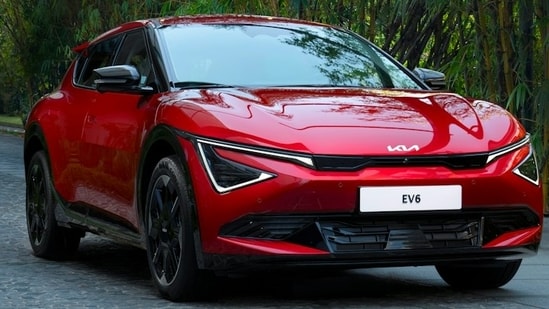
The Delhi cabinet on Monday approved the Delhi Electric Vehicle (EV) Policy, 2026, under which the existing road tax and registration fee waiver for electric cars will continue, but only for those with an ex-showroom price of up to ₹30 lakh.
The policy also introduces purchase incentives for vehicle categories that will be mandatorily electrified over the next two years, with only electric three-wheelers and N1 category light goods vehicles to be registered from January 1, 2027, followed by only electric two-wheelers from April 1, 2028.
₹7,000 crore clean mobility push over four years
The policy is expected to come into force from July 1 after receiving the Lieutenant Governor’s approval, Chief Minister Rekha Gupta said. She added that the new policy will pave the way for a fresh push towards electric mobility in the capital with a financial commitment of around ₹7,000 crore over the next four years. Announcing the decision after the cabinet meeting, Gupta said the policy was designed to accelerate Delhi’s transition to clean mobility while making electric vehicles more affordable for residents.
“The Delhi EV Policy 2026 will be a transformative and revolutionary policy that not only accelerates the transition to clean mobility but also makes Delhi a national leader in sustainable, affordable and future-ready transportation. Delhi is the only state with such electrification targets and high investments in the area,” the CM said.
Phased electrification: 3-wheelers, trucks first, then 2-wheelers
{{/usCountry}}“The Delhi EV Policy 2026 will be a transformative and revolutionary policy that not only accelerates the transition to clean mobility but also makes Delhi a national leader in sustainable, affordable and future-ready transportation. Delhi is the only state with such electrification targets and high investments in the area,” the CM said.
Phased electrification: 3-wheelers, trucks first, then 2-wheelers
{{/usCountry}}The policy, which will remain in force for four years till March 2030, mandates phased electrification of key vehicle segments. These include two-wheelers, three-wheelers and N1 category light goods vehicles that can carry upto 3.5 tonnes of goods (popularly called Chota hathi).
“As per a 2018 study by TERI, about 33% of the vehicular pollution in Delhi is caused by commercial goods vehicles and 46% by two- and three-wheelers. Among the commercial vehicles, over 80% are N1 trucks in Delhi. So, the policy is focused on phasing out these polluting vehicle segments and converting the older fleet to electric,” said transport secretary Niharika Rai.
According to the policy document, around ₹1,500 crore has been earmarked for purchase incentives, another ₹1,500 crore for scrapping incentives and approximately ₹1,000 crore for development of charging infrastructure. The government has also proposed foregoing more than ₹3,000 crore in road tax and registration fee revenue to benefit EV buyers.
The policy introduces purchase incentives for pure battery electric vehicles across categories. However, incentives for hybrid vehicles that were mentioned in the previous draft have been dropped following discussions, the transport secretary said.
Incentives for electric vehicles across categories
Buyers of electric two-wheelers will be eligible for incentives of up to ₹30,000 in the first year, up to ₹20,000 in the second year and up to ₹10,000 in the third year.
Electric three-wheelers will receive incentives of up to ₹50,000 in the first year, ₹30,000 in the second year and ₹20,000 in the third year. Buyers of electric N1 trucks will be eligible for incentives of up to ₹1 lakh during the first year of the policy. Additionally the first 1000 N2 (carrying load from 3.5 to 12 tonnes) electric trucks purchased within three months of notification of the policy will receive 10 year exemption from no entry timings.
In addition, the government has announced scrapping incentives to encourage replacement of older polluting vehicles. Owners scrapping old two-wheelers will receive ₹10,000, while three-wheeler owners will be eligible for ₹25,000. Scrapping incentives of ₹1 lakh have been proposed for four-wheelers, ₹50,000 for N1 trucks and ₹15,000 for Gramin Sewa vehicles.
Strict timeline for phasing out fossil fuel vehicles
The policy also lays down mandatory timelines for electrification of vehicle registrations. Registration of new fossil fuel-powered three-wheelers will end from January 1, 2027, while non-electric N1 trucks will no longer be eligible for registration from the same date. The mandate for electric-only registration of two-wheelers will take effect from April 1, 2028.
For school buses, it has been mandated to electrify at least 10% of the entire fleet in the first two years, 20% in the third year and 30% by March 2030.
“Every electric vehicle delivers a double dividend. It gives our children cleaner air to breathe while reducing India’s dependence on imported fossil fuels. It’s not just an environmental choice, it’s an economic and strategic investment in Atmanirbhar Bharat. It’s good for the planet and great for India’s economy,” said home minister Ashish Sood who led the group of ministers entrusted with drafting the EV Policy.
Alongside vehicle incentives, the policy places emphasis on expanding charging infrastructure with the government targeting setting up of over 30,000 charging points over the next four years. It sets a target of installing public charging stations across Delhi and prescribes minimum EV charging infrastructure requirements for commercial and residential developments to support the growing electric vehicle fleet.
The policy states that dealers will determine the purchaser’s eligibility for incentives at the time of vehicle booking. Officials said the measures are aimed at increasing EV adoption, reducing vehicular emissions and strengthening the city’s charging ecosystem as Delhi moves towards cleaner modes of transport over the next four years.