
 E-Paper



Delhi to junk fine for not wearing mask in public
The Capital has had a mask mandate in place since March 23, 2020, two days before the nationwide lockdown to curb the spread of Covid-19 came into effect.

 Prefer HTon Google


The Delhi Disaster Management Authority (DDMA) will no longer levy fines on people not wearing masks in public places in the national capital, senior officials said on Thursday, as the city’s Covid-19 graph continued to flatline, with the caseload at its lowest since mid-December last year.
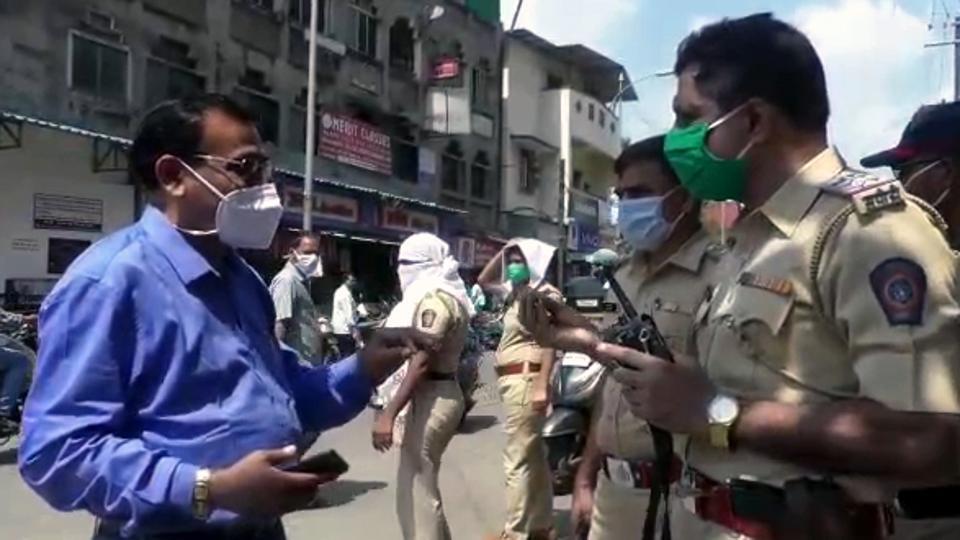
“Delhi will stop imposing fines for not wearing masks. This decision is likely to come into effect from Friday. Currently, the fine is ₹500. However, this does not mean that the Delhi government endorses people not wearing masks. Intensive campaigns will be conducted to promote wearing of masks,” said a senior government official who attended the Thursday DDMA meeting, where this move was made.
To be sure, DDMA did not issue an order to this effect till the time of going to print.
Delhi has had a mask mandate in place since March 23, 2020, two days before the nationwide lockdown to curb the spread of Covid-19 came into effect.
The state has so far imposed a ₹500 fine for not wearing masks in public places across the national capital. In November 2020, this penalty was increased to ₹2,000, as the city began to record a surge in infections. This was then cut to ₹500 on February 26 this year as the Omicron wave of Covid-19 began to ease and cases began to fall.
Delhi’s Covid-19 caseload has been on a downward spiral for weeks now, as the fifth wave began to ease towards the end of January this year. The city added 113 cases on Thursday at a test positivity rate of 0.49%. The city logged an average of 103 cases each day over the past week.
Senior officials said Lieutenant Governor Anil Baijal, who is the chairperson of the DDMA, directed districts, hospitals and dispensaries to conduct sentinel surveillance, which means that those who show flu like symptoms in health care centres will be tested for Covid-19. It is likely that the Delhi Disaster Management Act will also be lifted, officials said, though an order in this regard was not issued either.
“Notwithstanding the decline in Covid-19 positive cases, after detailed discussions with experts, it was decided to focus on hospital-based sentinel surveillance and enhancing vaccination coverage of the targeted population. While appreciating the efforts made by all stakeholders in management of Covid-19, emphasised upon the need to follow the five-fold strategy of Test, Track, Treat, Vaccinate and adherence to Covid-19 Appropriate Behaviour, as advised by the Union ministry of health and family welfare. To effectively meet any scenario in future that may arise, advised all agencies to remain vigilant without lowering the guard,” the L-G’s office said in a statement after the DDMA meeting.
In its last DDMA order dated February 26, the authority lifted a rule that required people to wear masks in private cars. Additionally, the fine on people caught not wearing a mask was reduced to ₹500 from ₹2,000. It also lifted all Covid-19 curbs in the national capital, including the night curfew, 50% seating cap on restaurants, bars and cinema halls, as well as paving the way for schools to completely shift to in-person classes from April 1.
Schools in the national capital will also open up for complete in-person classes from Friday, for the first time in two years, with the DDMA permitting the end of the hybrid operations.
The hybrid mode (online and offline) of learning and consent from parents was to be followed for students up to class 9 and class 11, only till March 31 (Thursday). The February 26 order left out classes 10 and 12, which meant that parental consent from board class students is no longer valid.
Schools have been demanding that they be allowed to return to offline classes in earnest, and traders have expressed their discontent, arguing that the curbs were disproportionate to the city’s Covid-19 caseload.


