E-Paper



Delhi govt plans to boost EV charging infra in city
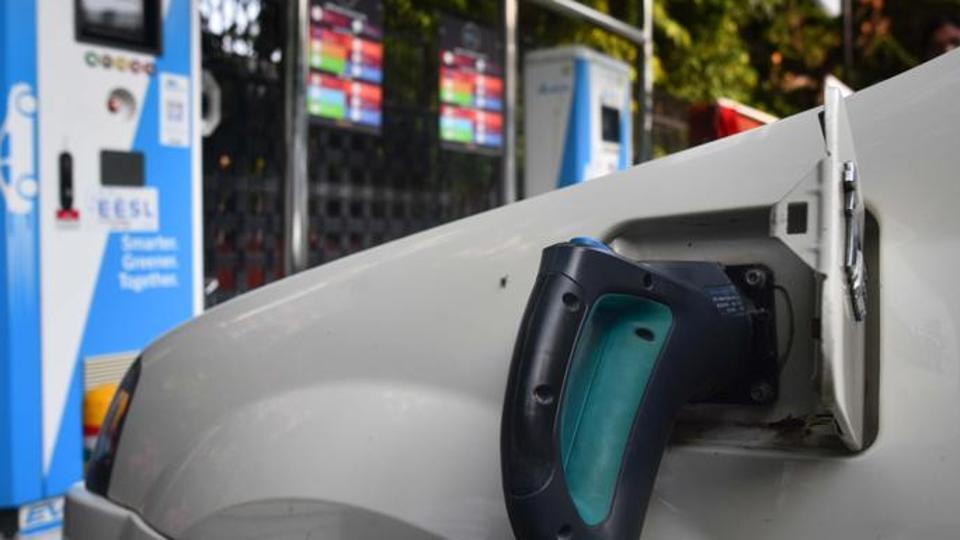
As per the charging infrastructure action plan for 2022-25, the transport department will set up 18,000 public EV charging stations across the city by 2024.

 Prefer HTon Google


In an effort to accelerate the switch to electric vehicles (EVs), the Delhi transport department will make a district-wise plan to upgrade the EV charging infrastructure across the city, according to the Delhi transport department.
Officials said that the move also aims to increase the demand for EVs in districts where it has been low so far.
According to the charging/swapping infrastructure action plan for Delhi 2022-25, the transport department will establish 18,000 public EV charging stations across the city by next year. Officials said that the EV cell will identify locations where public charging stations can be set up by the transport department, distribution companies, fleet operators or based on public-private-partnership.
The infrastructure in Delhi’s 11 districts is now being looked at owing to the skewed distribution of charging stations due to difference in demand in areas, officials said. While the southwest district has 890 charging stations, the northeast and Shahdara have 30-odd charging stations each. Other districts with a high number of public charging stations include the southeast with 334 stations, west with 317, northwest with 275, New Delhi with 248, and east with 246 stations.

While east Delhi is one of the smallest districts in terms of area, it has a high population density along with a high number of two and three-wheelers, which has fuelled the demand for EV infrastructure. According to the action plan, Delhi aims to achieve one public charging point for every 15 EVs by 2024, spread evenly across Delhi and accessible within every 3km.
“The need for public charging varies by segment and use. Taking into account the EV penetration and public charging needs of different vehicle segments and use cases, a charger-to-EV ratio of 1:15 translates to around 18,000 charging points would be required to cater to the need for (25% of total vehicle registrations) electric vehicles in... 2024,” states the plan.
“One of the reasons for the high number of public charging stations in southwest could be the proximity to the airport as many cab fleet operators work in that area. In other areas, the stations are demand-driven, where the number of private vehicles or two and three-wheelers is higher. However, we are now identifying land parcels and areas in every district where there may be a future demand so that we can start installing charging points district-wise,” said N Mohan, CEO of EV cell under the transport department.
North Delhi has 146 public charging stations, central Delhi has 114, south has 92, northeast has 39 and Shahdara has 36. The transport department is trying to increase the charging infrastructure in these districts which may lead to more demand for EVs.
Officials said that as two and three-wheelers contribute over 40% of Delhi’s vehicular pollution, they have been identified as the priority vehicle segment.
“To increase EV uptake and charging station availability, a collaboration between the government, private companies, and the public is necessary... Working together can reduce the gap in charging infrastructure,” said Amit Bhatt, MD (India), ICCT.
The Delhi government earlier said that it aims to make 25% of all registered vehicles in Delhi an EV. Currently, about 15% of registered vehicles are EVs, according to data for the month of March.