
 E-Paper



Delhi: 15 STPs fined ₹2.89cr for failing to meet prescribed norms
Delhi's Pollution Control Committee fined ₹2.89 crore on 15 sewage treatment plants for failing to meet environmental standards, affecting the Yamuna.

 Prefer HTon Google


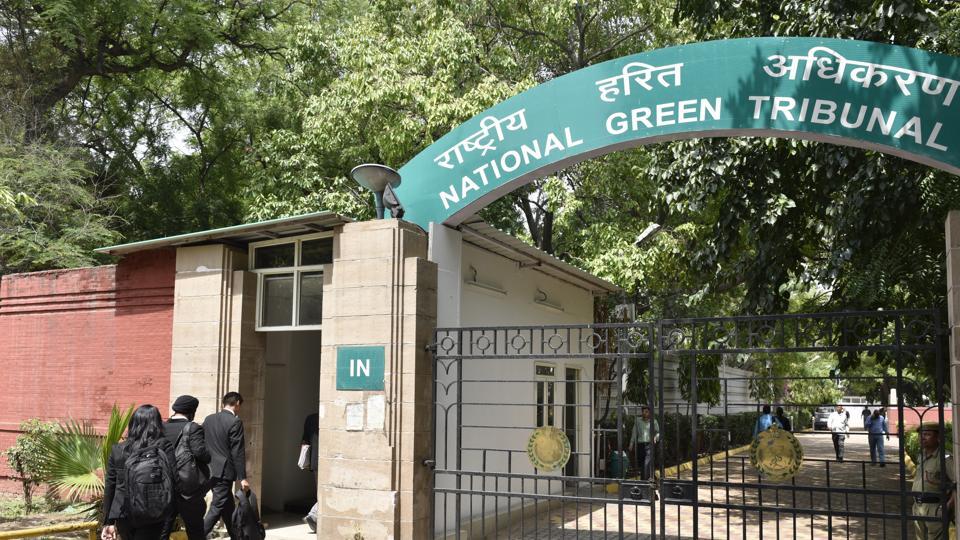
The Delhi Pollution Control Committee (DPCC) has issued environmental compensation (EC) of ₹2.89 crore on 15 sewage treatment plants (STPs) for failing to meet the prescribed standards and not meeting norms between July and October 2025, the commission told the National Green Tribunal (NGT).
The city has a total of 37 operational STPs, which are required to meet the standards set by the Central Pollution Control Board (CPCB) where the Total Suspended Solids (TSS) and Biological Oxygen Demand (BOD) levels should both be less than 10 milligrams per litre (mg/l); the ammoniacal nitrogen levels below 5 mg/l and the chemical oxygen demand (COD) below 50 mg/l. Presence of these components beyond the standard limit results in release of pollutants in the Yamuna.
While some of these STPs are run by the Delhi Jal Board (DJB), others have been given to private operators.
NGT in February 2024 took suo motu cognisance of a news report stating 75% of the city’s STPs were not meeting standards prescribed by the CPCB. DPCC in its November 7, 2025 report, had told the NGT that some STP’s still continue to violate norms.
In July last year, 14 STPs did not comply with the standards, 12 treatment plants violated norm in August, and in September 10 STPs failed to comply with the standards. DPCC had then assured that action will be taken soon, once a standard methodology for the environment compensation is fixed.
In its latest submission, the DPCC said it was decided to calculate the EC based on the formula used for “red” category industries with both STPs and common effluent plants (CETPs) now placed in that category. “Based on the above mentioned methodology, show cause notices for imposing EC of total ₹2.89 crore has been issued to the DJB or private operators of 14 STPs that were found not meeting the prescribed standards during the period July-October 2025. One additional STP - Sen Nursing Home failed in August 2025,” the DPCC in its report dated December 22, uploaded on Saturday, stated.
To recall, IIT Delhi in January wrote to the NGT, stating it will require ₹60.7 lakh to carry out sampling, site visits and testing of the 14 STPs, requesting the tribunal to direct both the DPCC and DJB to disburse these funds. In a letter issued in October last year, IIT Delhi had said it was not being provided access to the STPs, with information to prepare a detailed and technical report also missing.
The DJB did not comment on this report.
Under the Delhi government’s rejuvenation plan for Yamuna, the DJB is setting up the next batch of STPs in parts of the city: a 15mgd (million gallons per day) plant in Zindpur, northwest Delhi and a 17mgd plant in Mitraon near Najafgarh in Southwest Delhi. A set of seven smaller DSTPs will come up in Jaffarpur, Kazipur, Galibpur, and Sarangpur, officials said.
These plants will help bridge the treatment gap of wastewater being generated in the city.
STPs are the primary tools in DJB’s attempt to clean Yamuna in the city into which an estimated ,600mld (million litres per day) or 792mgd sewage flows. Delhi has 37 STPs at 20 locations which have an installed capacity to treat only 667mgd water. Delhi’s economic survey underlines that the city’s capacity utilisation is only 565mgd and the gap in sewage treatment is 227mgd which ends up in drains, water bodies and the Yamuna.


Stay updated with all top Cities including, Bengaluru, Delhi, Mumbai and more across India. Stay informed on the latest happenings in World News along with Delhi Election 2025 and Delhi Election Result 2025 Live, New Delhi Election Result Live, Kalkaji Election Result Live at Hindustan Times.


