E-Paper



Delhi’s air quality touches ‘severe’ category; CAQM invokes stage III measures
The CPCB classifies an AQI between 0-50 as ‘good’, between 51 and 100 as ‘satisfactory’, between 101 and 200 as ‘moderate’, between 201 and 300 as ‘poor’, between 301 and 400 as ‘very poor’ and over 400 as ‘severe’

 Prefer HTon Google


Delhi’s air quality index (AQI) touched ‘severe’ for the first time in a month, with the national capital recording an overall reading of 407 as per the central pollution control board’s (CPCB) national bulletin at 4 pm on Sunday.
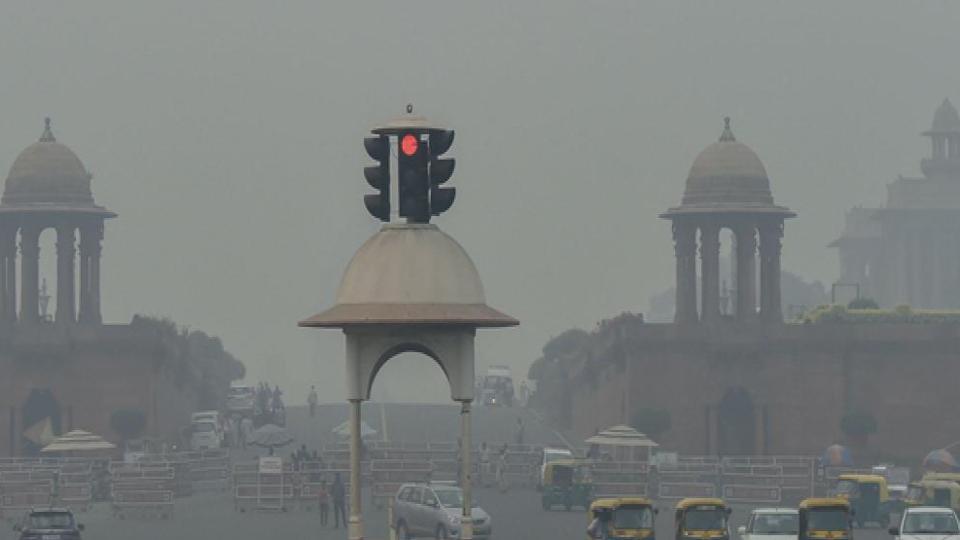
Amid the reports, the commission for air quality management (CAQM) held an emergency meeting on Sunday, with all measures under Stage III or the ‘severe’ category of the graded response action plan (Grap) being invoked with immediate effect.
Also Read:Air quality panel directs to register only CNG, e-autos in NCR from January 1
“This includes a ban on private construction activities across Delhi-NCR, closure of all brick kilns and hot mix plants not operating on clean fuels, closure of all stone crushers in NCR and a ban on mining and its associated activities,” the order said.
While under Stage III of Grap, states also have the option to enforce a ban on BS III petrol and BS IV diesel vehicles, which was enforced the last time Delhi’s air went in the ‘severe’ category, however, no such decision had been taken this time around Delhi’s transport department officials said.
“Since it is an option for the states, we will decide on whether such vehicles need to be banned or not based on the forecasts and the prevailing AQI. No meeting on this has been called yet,” said the official.
The last time Delhi’s AQI was ‘severe’ was on November 4, 2022, when it touched 447.
The CPCB classifies an AQI between 0-50 as ‘good’, between 51 and 100 as ‘satisfactory’, between 101 and 200 as ‘moderate’, between 201 and 300 as ‘poor’, between 301 and 400 as ‘very poor’ and over 400 as ‘severe’.
Also Read:Number Theory: What is behind the relatively cleaner air in Delhi this November?
Issuing a statement CAQM on Sunday said, “The AQI in Delhi has slipped into the ‘severe’ category owing to the calm wind and stable atmospheric conditions. Therefore, in an effort to prevent further deterioration of the air quality, the sub-committee has decided that all actions as envisaged under Stage III of the Grap – ‘severe’ air quality (Delhi’s AQI ranging between 401-450), be implemented in right earnest by all the agencies concerned, with immediate effect in the NCR, in addition to all action under Stage I and Stage II of the Grap.”
A CAQM official said this deterioration had largely occurred due to calm conditions arising from a western disturbance, with wind speed expected to pick up once again from Monday onwards.
However, forecasts show the AQI is likely to improve to the ‘very poor’ category in the next 24 hours, as wind speed picks up once again.
“The AQI should gradually improve and fall back to the ‘very poor’ category. However, this is a precautionary measure and further decisions and meetings can be held if the AQI improves in order to remove Stage III once again,” said the official.