E-Paper



Delhi’s wetland authority orders agencies to test city water bodies
The Central Pollution Control Board (CPCB) has specified different categories for water quality, and allotted Class D to water bodies which require pH (potential of hydrogen) between 6.5 and 8.5, dissolved oxygen (DO) to be 4mg/l or higher and free ammonia to be 1.2mg/l or less – all needed to sustain aquatic life.

 Prefer HTon Google


Delhi’s State Wetland Authority (SWA) has asked all land-owning agencies in the Capital to test samples from water bodies to assess how many fail to meet pollution standards in order to take corrective action.
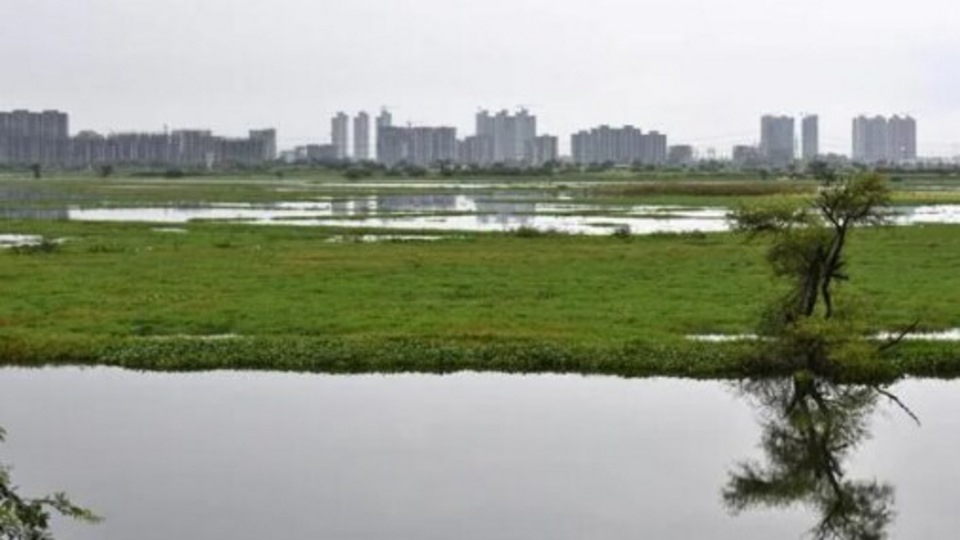
While it is mandatory to test water samples monthly as per the Central Pollution Control Board’s Guidelines for Restoration of Water Bodies, 2019, such an assessment was last done in Delhi only from March until May 2020, with 115 water bodies then found to be meeting the Class D criterion (propagation of wildlife and fisheries), officials said.
The Central Pollution Control Board (CPCB) has specified different categories for water quality, and allotted Class D to water bodies which require pH (potential of hydrogen) between 6.5 and 8.5, dissolved oxygen (DO) to be 4mg/l or higher and free ammonia to be 1.2mg/l or less – all needed to sustain aquatic life.
The CPCB’s other criteria are Class A (drinking water sources without treatment), Class B (outdoor bathing), Class C (drinking water sources after treatment) and Class E (irrigation, industries and waste disposal).
In a meeting with Delhi’s lieutenant governor Anil Baijal last Thursday, the SWA said that the second such assessment had commenced in Delhi last month, with the Delhi Development Authority (DDA) having tested 44 water bodies so far under its jurisdiction. All of them met the water quality criterion of Class D, officials said.
As per CPCB’s indicative guidelines to protect and revive water bodies across the country, water samples need to be collected each month, or at least eight times a year, so states can ascertain the changes in the water quality and their reasons.
An SWA official said if water bodies don’t meet the Class D criterion, land-owning agencies will have to come up with possible reasons why, as well as take corrective measures including the installation of sewage treatment plants (STPs) on-site.
“If sewage is somehow reaching the water body, or waste or debris is being dumped there, then the water quality will suffer. The actual reason will have to be identified and corrective action taken to ensure the water body is in good health,” said the official on condition of anonymity, adding that while this assessment was being done on a one-time basis at present, the eventual plan was to carry out monthly readings.
As per the SWA, Delhi currently has 1,043 geo-tagged water bodies. Of these, SWA has prepared detailed documents for 684 water bodies.
CR Babu, head of the Centre for Environmental Management of Degraded Ecosystems in Delhi, who also attended the meeting with the lieutenant governer, said the dumping of debris near catchment areas was identified as one possible problem.
“For water bodies that have dried up completely, separate plans will be devised, while for those receiving sewage or contaminated water, a different solution is required,” he said.