
 E-Paper



Every Delhi HC bench to work one Saturday per month
The decision was taken at a full court meeting on September 22, and was communicated through a notification issued on October 4 by Registrar General Arun Bhardwaj

 Prefer HTon Google


New Delhi
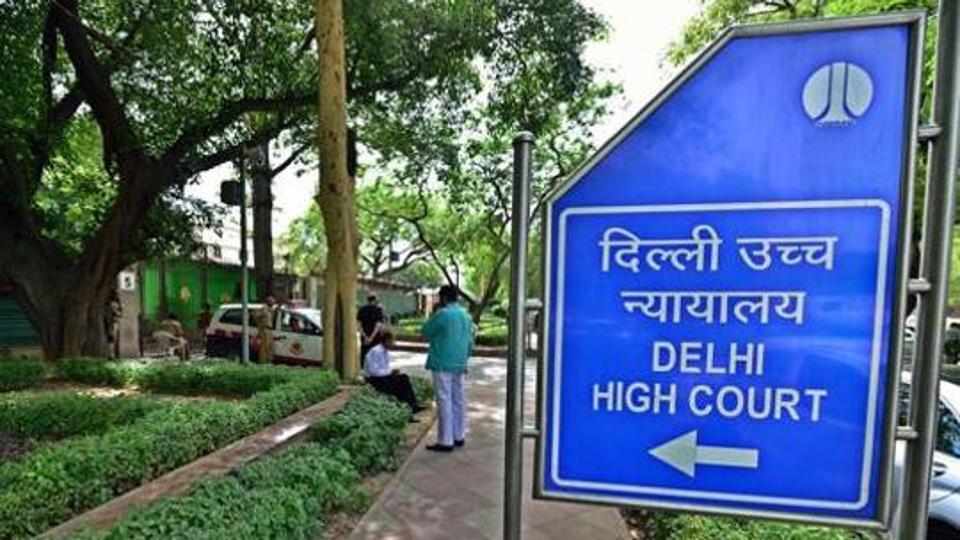
The Delhi High Court, in an unprecedented move aimed at addressing case backlog, has decided that each of its benches will function on one Saturday every month for the rest of the year.
The decision was taken at a full court meeting on September 22, and was communicated through a notification issued on October 4 by Registrar General Arun Bhardwaj.
“It has been resolved by the Hon’ble the full court in its meeting held on 22.9.2025 that each Bench of this court shall observe one working Saturday of every month as a court working day during the calendar year 2025,” the notification read.
A person familiar with the development, who refused to be identified, said the decision follows a circular issued by the Supreme Court earlier this year, requesting all high court benches to hear cases on one Saturday each month.
According to data from the National Judicial Data Grid (NJDG), a total of 121,562 cases are currently pending before the Delhi High Court. This includes 88,699 civil cases and 32,863 criminal cases. Of the total pending matters, 74,505 cases have been pending for over a year.
The high court’s move was welcomed by senior members of the legal fraternity, who termed it a practical step towards tackling the growing pendency of cases.
Calling it a “brilliant decision,” senior advocate Manish Vashisht said the move would help prioritise urgent matters like injunctions and bail applications, where “every minute is precious.” He said the court had taken a wise step that would significantly aid in reducing backlog, while ensuring optimal use of resources.
“It’s a brilliant decision and will take care of many cases which need to be decided on a priority. Injunctions, bail are those categories of cases where every minute is precious. The high court has very wisely increased 12 working days in its calendar, which will go a long way to help reduce the pendency of cases, and resources are well utilised,” Vashisht said.
Echoing the sentiment, Delhi High Court Bar Association (DHCBA) vice-president and senior advocate Sacchin Puri said, “The decision of the Delhi High Court to work on Saturdays is a welcome move in view of the high pendency.”
Stay updated with all top Cities including, Bengaluru, Delhi, Mumbai and more across India. Stay informed on the latest happenings in World News along with Delhi Election 2025 and Delhi Election Result 2025 Live, New Delhi Election Result Live, Kalkaji Election Result Live at Hindustan Times.


