E-Paper



High temp, rain add to mosquito density in Delhi
Officials said that the new crop of mosquitoes belongs to the culex genus which does not cause dengue, malaria, or chikungunya.

 Prefer HTon Google


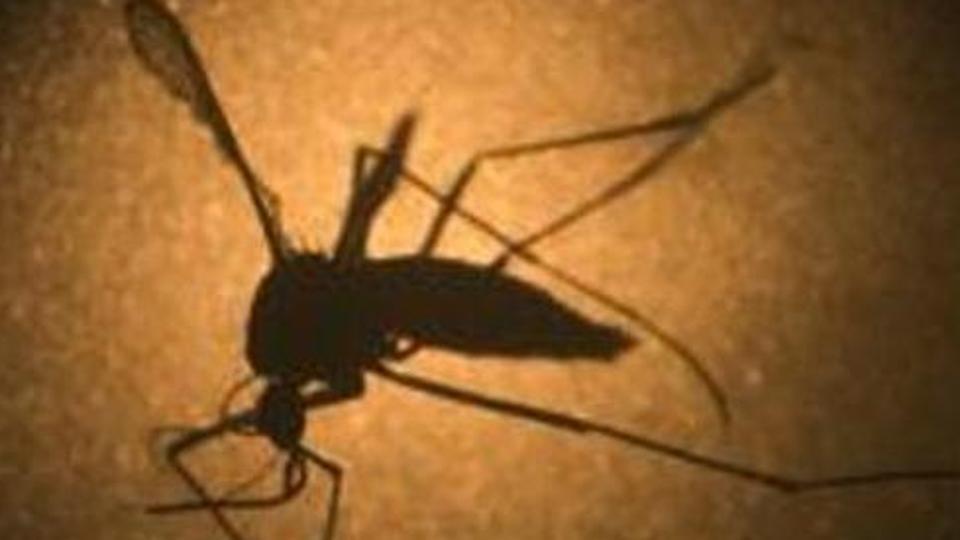
Delhi is witnessing an abrupt spike in mosquito density over the last fortnight during which the Capital observed intermittent rainfall, the public health department officials said on Wednesday. However, officials said that the new crop of mosquitoes belongs to the culex genus which does not cause dengue, malaria, or chikungunya.
The city has so far reported 41 dengue cases this year, which is the second highest case count recorded till April 1 in six years. In the corresponding period, between January 1-April 1, Delhi registered 12 dengue cases in 2018, six cases each in 2019 and 2020, seven cases in 2021, and 61 cases in 2022.
Also read: Delhi’s water extraction rate better, says report
Officials said that though a higher mosquito density is being observed, there is no cause to worry most mosquitoes being detected are of the culex genus. “Culex mosquitoes are mostly harmless and cause skin irritation. Their high presence indicates a lot of stagnation and floating material in drains and water bodies as they breed in stagnated water,” a senior MCD official said.
The weekly report on mosquito-borne diseases showed a spike in the detection of breeding sites, with 45% of the overall count being reported in the last fortnight. The spike is being attributed to a rise in temperature and rainfall in March, officials said. The field workers of the public health department and the domestic breeding checkers (DBCs) have so far found 7,064 properties with positive mosquito breeding sites out of which 3,178 sites were found within the last 14 days.
The action taken report said that 1,777 positive sites were detected in the last week (with the cycle ending on April 1), while 1,401 sites were detected the week before that.
In comparison, the municipal corporation field workers detected 916 such properties in the weekly cycle ending on March 18 and 639, 693, and 486 sites over the weekly period in the last month.
A senior municipal official said that the DBCs have issued 11,096 legal notices to the property owners, out of which 4,135 notices were issued during the last fortnight. Out of the 41 dengue cases reported by the hospitals so far, 32 remain untraced after investigation due to a lack of personal information of the patients.
The healthcare units are expected to provide the patient data on a unified portal but the lack of details creates hurdles in taking anti-mosquito drives in the location of origin, a second official explained.
Also read: Women’s safety in DU colleges: Strict entry rules for a safe space
A second official from the public health department said that the rise in temperature coupled with moist conditions facilitated the development of this latest crop.
The year-long mosquito breeding sites data analysis by MCD shows that peri-domestic containers like money plants, vases, flower pots, bird pots, tins, tyres, fountains, etc., account for the largest chunk of mosquito breeding sites cases (38%). Domestic water storage containers, used in water-stressed regions, come second at 33% while desert coolers, which find significant usage in summer along with overhead tanks, come third and fourth, respectively.