The heritage landscape in Delhi may soon be organised into a network of cultural precincts linking monuments, historic neighbourhoods, markets and cultural destinations, with the Master Plan for Delhi-2047 (MPD-2047) identifying nine indicative clusters across the city, including Nizamuddin, Mehrauli, Hauz Khas, Lodhi Road, Chirag Dilli and the Walled City.
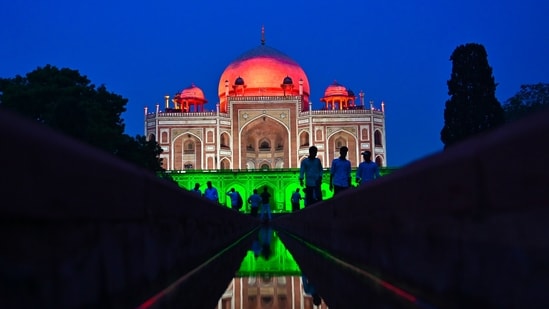
The plan, approved by the Delhi Development Authority (DDA) on Wednesday and accessed by HT, proposes treating these areas not merely as collections of individual monuments but as connected heritage districts, with improvements to streets, public spaces, mobility, conservation and cultural activities.
MPD-2047 defines a cultural precinct as a concentration of “both tangible and intangible heritage”, combining architectural, historical, cultural, natural and associative values linked through streets and a cohesive built form. Such precincts may be identified in urban villages and the Walled City, while additional areas can be designated by the concerned agencies after detailed studies.
The “indicative” list includes the Nizamuddin Dargah-Humayun’s Tomb Complex-Sunder Nursery precinct; Shamshi Fort-Jahaz Mahal-Zafar Mahal-Baoli-Adam Khan Tomb-Qutub Minar complex; Vijay Mandal-Begumpur-Sarai Shahji-Lal Gumbad; Safdarjung Tomb-Lodhi Garden-Lodhi Institutional Area-Lodhi Art District; Trikona Park-Shahpur Jat fashion street-Tohfe Wala Gumbad-Asiad Village Society; Firoz Shah Tomb-Hauz Khas village-Hauz Khas Lake; and Khirki Mosque-Satpula monuments in Chirag Dilli-Jahanpanah Forest.
Also Read | Delhi Master Plan 2047 floats ‘congestion pricing’ for vehicles entering key city areas
{{/usCountry}}Also Read | Delhi Master Plan 2047 floats ‘congestion pricing’ for vehicles entering key city areas
{{/usCountry}}The plan also identifies heritage precincts within the Walled City, covering historical markets and areas such as Khari Baoli, Paranthe Wali Gali, various “katras”, along with the areas around Chandni Chowk, Matia Mahal and Jama Masjid.
The Central Vista has separately been identified as a heritage precinct within the Lutyens’ Bungalow Zone.
For each cultural precinct, DDA, in collaboration with local bodies, will prepare a Cultural Resource Management Plan (CRMP). These plans will set urban design and architectural controls for heritage structures, identify legacy infrastructure for restoration and lay down area-level strategies for traffic and parking, according to the MPD-2047 document.
The framework also seeks to make heritage areas more accessible. Pedestrian zones, improved streetscapes and non-motorised transport facilities are proposed, while greenways along natural drains connecting heritage assets could be developed as “eco-cultural corridors”. Heritage walks and trails are also proposed to be integrated with cultural circuits and festivals.
A range of cultural and visitor-oriented activities could be permitted within notified precincts, subject to statutory approvals and the relevant CRMP. These include art galleries, exhibition and performance spaces, small museums, restaurants and cafes, guest houses, cultural research centres, libraries, arts and crafts centres and information or interpretation centres.
The Walled City has been given special provisions because of its distinctive historic character. The plan describes it as Delhi’s “historical core and business centre” and calls for cultural precincts to be delineated within it, followed by conservation and area-improvement plans.
“The fine-grained urban fabric and street morphology of the Walled City are critical to its character and shall be retained,” the plan states. Group housing would not be permitted in notified heritage areas, while mandatory stilt parking requirements would not apply in order to preserve the historic urban fabric.
The plan also proposes walking, cycling and public cycle-sharing facilities in the Walled City. “It also calls for a traffic management plan covering pedestrianised areas, non-motorised transport routes, service and goods vehicles, parking and commuter dispersal around metro stations. Area improvement plans for katras and bazaars would address public spaces, utilities, fire safety, emergency evacuation areas and overhead wires,” said an official.
The plan further identifies Mehrauli, Tughlaqabad Biodiversity Park, Sultan Garhi, Indraprastha and Northern Ridge as archaeological parks. CRMPs for these areas would identify both built and natural heritage, including historic structures, gardens, orchards, water bodies, stepwells and baolis.
Temporary eco-friendly structures could be allowed for festivals, exhibitions, farmers’ markets and other events, while adaptive reuse of heritage structures would be permitted where appropriate.
Stay updated with all top Cities including, Bengaluru, Delhi, Mumbai and more across India. Stay informed on the latest happenings in World News along with Delhi Election 2025 and Delhi Election Result 2025 Live, New Delhi Election Result Live, Kalkaji Election Result Live at Hindustan Times.
Stay updated with all top Cities including, Bengaluru, Delhi, Mumbai and more across India. Stay informed on the latest happenings in World News along with Delhi Election 2025 and Delhi Election Result 2025 Live, New Delhi Election Result Live, Kalkaji Election Result Live at Hindustan Times.