
 E-Paper



Sluggish supply of electric buses, DTC to buy 758 CNG buses as stopgap measure
The buses will act as a “stop-gap”, officials said, till 1,500 electric buses enter Delhi’s public transit fleet.

 Prefer HTon Google


Over 750 new CNG buses in the Capital will, by the end of the year, replace 560 over-aged ones that will have to be phased out by September 2023, said Delhi Transport Corporation (DTC) officials aware of the matter. The buses will act as a “stop-gap”, officials said, till 1,500 electric buses enter Delhi’s public transit fleet.
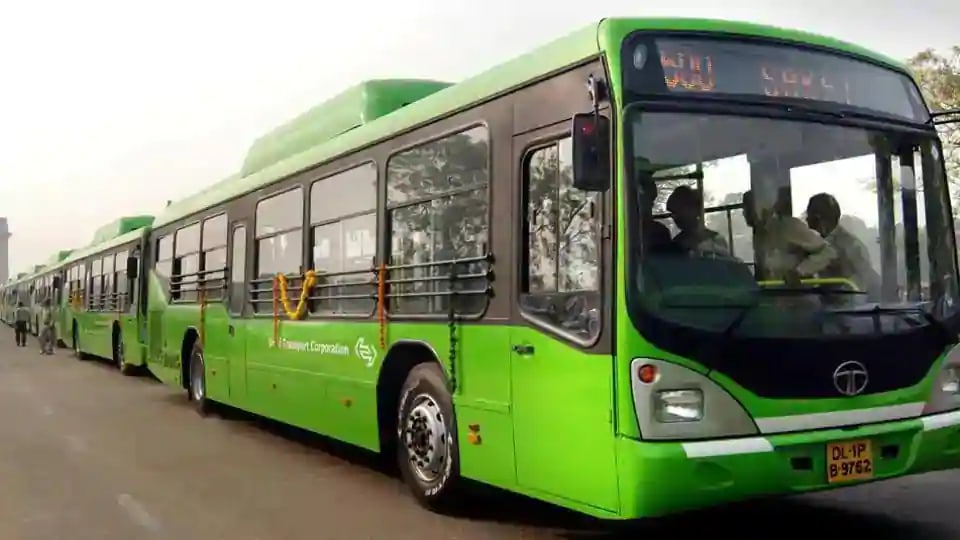
The decision is a policy shift for the Delhi government, which in October last year decided that it will only induct electric buses into its fleet and that an order of 800 CNG buses placed in two partsto replace old cluster buses would be the last lot of fuel-powered ones to hit the city’s streets. However, officials said electric buses, which rely on significantly more modern production techniques, take longer to build and supply than conventional CNG-powered ones that can be added to a fleet within six months of an order being placed.
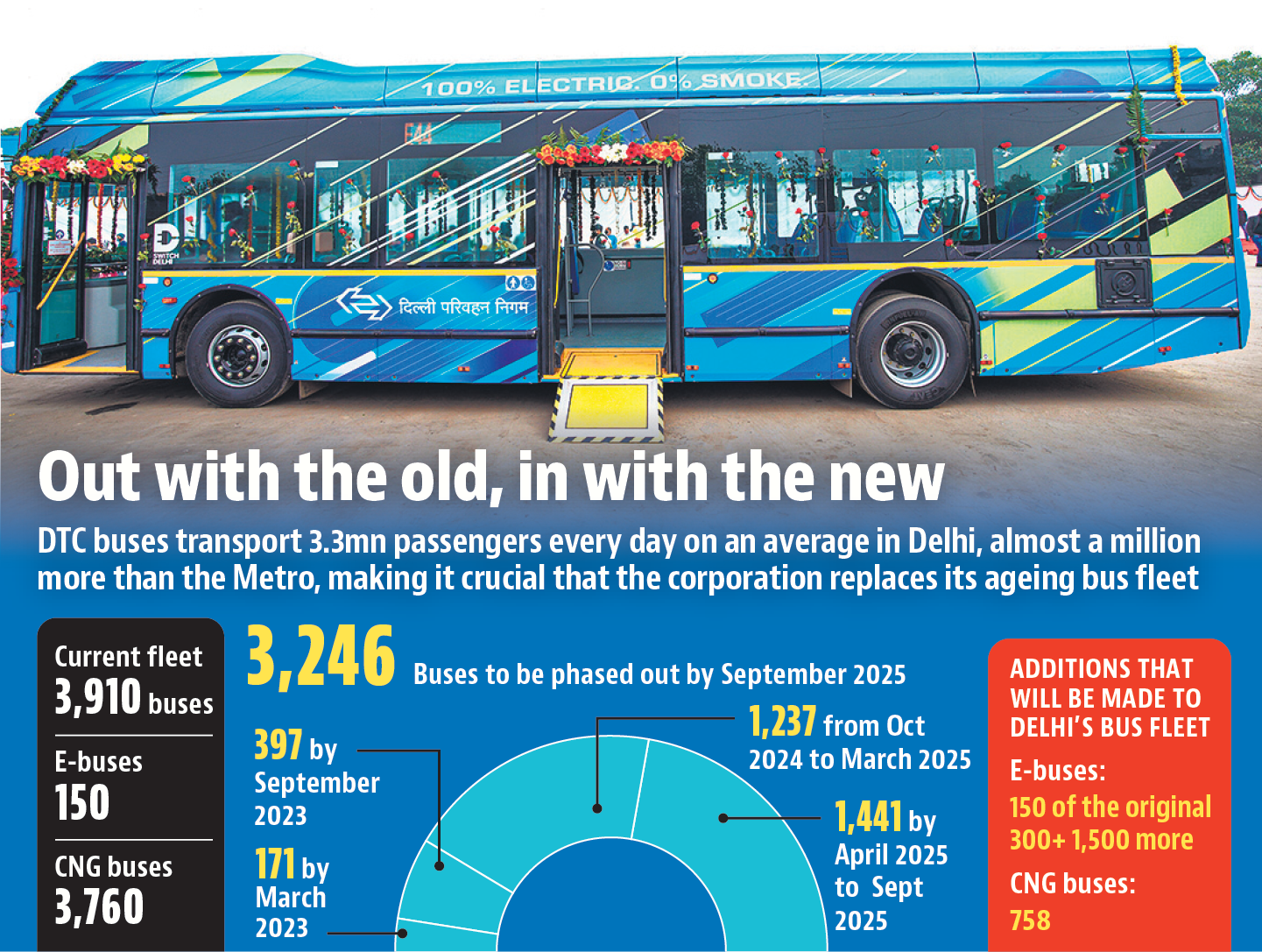
The state transport body faces a major challenge — replacing 99% of its fleet of 3,760 buses by September 2025, when they will be taken off the roads due to their age, and officials said this yawning shortfall is unlikely to be met solely by electric buses, due to extant production constraints.
“We have already ordered 300 e-buses, 150 of which are running on city roads. DTC will procure another 1,500 e-buses, which will start coming from next year. But, the e-bus manufacturing sector is still relatively new and hence takes longer than a CNG bus. Since our demand is urgent and public transport is an essential service, we are going to procure 758 CNG buses immediately as a stop-gap arrangement. But, our focus on making more e-bus purchases will continue,” said a senior DTC official, who asked not to be named.
The DTC floated its first tender for 300 e-buses in December 2020 and the first lot (of 150 e-buses) arrived on May 25 this year. Officials attributed this delay to Covid-induced lockdowns, which affected manufacturing units, a problem unlikely to be a factor now that the economy has opened up.
The DTC alone carries 3.3 million passengers on an average daily in Delhi, almost a million more than the Delhi Metro and the highest of any city-based state transport utility in the country.
Government data showed that of DTC’s 3,760 buses, 3,246 CNG ones will have to be phased out by September 2025.
Of these, 171 will be phased out by March 2023, and then 397 by September 2023. Then, between October 2024 and March 2025, the city will lose 1,237 of its existing CNG-powered buses. The remaining 1,441 will be gone between April 2025 and September 2025.
In October 2021, transport minister Kailash Gahlot told HT that the Delhi government has decided to procure only electric buses for public transport in the future. To this end, DTC had started work to upgrade its bus depots with EV charging infrastructure. It has set a 2024 target to enable all 13 depots with the requisite facilities.
The 150 new e-buses deployed in Delhi are expected to run 108 million km and save 43.2 million kg of fossil fuel worth ₹240 crore.


