
 E-Paper



GMDA to inspect rainwater harvesting systems in 166 housing societies
The directions were issued by principal advisor, urban development Haryana government, DS Dhesi to GMDA officials, said officials familiar with the matter.

 Prefer HTon Google


The Gurugram Metropolitan Development Authority (GMDA) has decided to check the functioning of rainwater harvesting (RWH) systems installed in 166 residential societies in the city, which have been developed in 20 residential sectors. The directions were issued by principal advisor, urban development Haryana government, DS Dhesi to GMDA officials, said officials familiar with the matter.
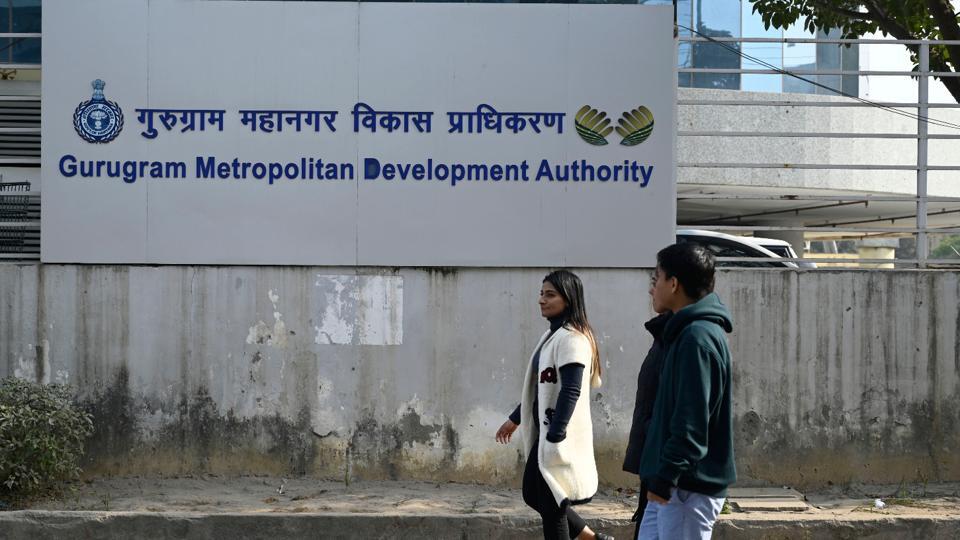
The direction comes in the wake of a draft drainage report submitted by a GMDA consultant in July end, which said that around 50 percent condominiums had non-functional rainwater harvesting systems, said officials.
A senior GMDA official said that a meeting was held on August 6 under the chairmanship of Dhesi regarding heavy waterlogging on main roads during rains.
During the meeting, Dhesi issued instructions to GMDA officials to check the RWH systems built in residential societies and colonies. It has been directed that the faulty RWH structures should be repaired and if missing, then RWH systems should be constructed according to the approved building plans of these projects, said the senior GMDA official.
RS Bhath, district town planner, GMDA said that they have identified residential sectors which have group housing projects and cooperative housing projects approved by the Haryana Shehri Vikas Pradhikaran (HSVP).
“It has been directed by the principal advisor that RWH systems in condominiums and group housing projects should be made functional as this will prevent waterlogging across the city. We have asked resident welfare associations (RWAs) of 166 societies to inform the authority regarding the number of RWH pits in the society, year of construction and capacity of these systems to absorb rainwater,” said Bhath.
As per the authority, the maximum number of 87 residential group housing societies allotted by HSVP are in sectors 55 and 56. These residential societies are developed in an area ranging from one acre to three acres. Likewise, there are 16 residential societies in Sector 47 and these societies are spread across sectors.
According to the rules of HSVP and town and country planning department, rain water harvesting is mandatory in houses built in an area of more than 100 square meters.
“If we are able to ensure that these RWH systems are functional, then a considerable amount of storm water can be harnessed and it will also prevent waterlogging in the city. We will also ensure that internal drainage systems of these condominiums are linked to the master drainage network of the authority,” said Bhath, adding that they have given a week’s time to the RWAs to submit information.
Another GMDA official said that letters seeking details have been written to RWAs of residential societies developed in sectors 15, 24, 26, 26A, 27, 28, 42, 43, 45, 46, 47, and sectors 49 to 57.
RK Yadav, president, sector 46 RWA said that to make rain water harvesting systems functional in the city, the civic agencies will have to ensure that garbage and mud is cleaned from road, and surface drains are made functional. “In the very first monsoon rain, the RWH structures get choked as mud seeps in which is lying on the road. Unless roads are not cleaned, RWH is not going to work,” said Yadav.


Stay updated with all the Breaking News and Latest News from Mumbai. Click here for comprehensive coverage of top Cities including Bengaluru, Delhi, Hyderabad, and more across India along with Stay informed on the latest happenings in World News.


